Wondering if a condo or a single-family house in Evanston fits you best? You are not alone. With walkable streets, lakefront access, and strong transit, both options can make sense depending on your budget, lifestyle, and long-term goals. In this guide, you will compare total costs, day-to-day tradeoffs, financing, and resale drivers so you can decide with confidence. Let’s dive in.
Evanston market basics
Evanston supports two healthy but different markets. Condos tend to sit in the lower to mid price bands, especially near downtown and Northwestern. Single-family homes typically command higher prices due to land value, lot size, and demand from long-term owner-occupants.
Inventory patterns vary by location. You will find steadier condo supply in central areas and near transit. Single-family inventory is often tighter in established residential blocks, which can support premium pricing. If you want specific medians or days on market, plan to review recent local MLS data for a clear picture at the time you are ready to buy.
Total cost of ownership
Price is only part of the story. Your monthly cost includes mortgage, taxes, insurance, utilities, and either HOA dues or maintenance. Focus on your total monthly number, not just the list price.
Condo ownership costs
Condo HOA fees cover shared expenses. In Evanston, fees often range from a few hundred dollars per month to higher amounts in amenity buildings. What you pay depends on age, services, and amenities.
Common inclusions are exterior maintenance, common utilities, landscaping, elevator service, building insurance under a master policy, and reserve contributions. Some buildings include heat, water, or even gas, which can simplify budgeting.
Special assessments can occur when reserves are underfunded or major capital work is needed. Always review recent assessment history and the reserve study. For insurance, you carry an HO-6 policy for your unit and personal property, while the association insures the building. Verify whether the master policy is bare walls or walls-in.
House ownership costs
Most single-family homes in Evanston do not have an HOA. You are responsible for all exterior maintenance, systems, and yard care. That can mean variable costs for roof, siding, gutters, snow removal, landscaping, and driveway work.
The upside is control. You decide when and how to repair or renovate, and you keep all value created by improvements. Your insurance is typically an HO-3 policy that covers the structure, personal property, and liability. Premiums depend on the home’s age, systems, and coverage limits.
Property taxes and utilities
Cook County property taxes are a significant part of your monthly payment. Both condo and single-family owners receive tax bills based on assessed value. Review a property’s tax history and ask how reassessment may affect future bills.
Utilities differ by property type. Some condo buildings include heat or water in monthly fees, while others bill utilities separately. Homeowners pay for all utilities and can choose energy upgrades like insulation or HVAC that may lower long-term costs.
Financing differences
Financing a condo can involve project-level requirements. Lenders may check owner-occupancy ratios, reserves, litigation, and investor concentration. Buildings that do not meet certain criteria can limit your loan options or require higher down payments.
Single-family financing is generally more straightforward because lenders underwrite the property and borrower without project rules. If you plan to rent out a property, the loan program and terms may change, so clarify your intent with your lender early.
For both condos and houses, you can use conventional, FHA, or VA loans if you meet eligibility requirements. The key is matching your loan program to the property type and your financial plan.
Resale and value drivers
Single-family homes benefit from land scarcity and flexibility. Value drivers include lot size, block stability, curb appeal, ability to expand, and long-term land appreciation. Many buyers prioritize these factors when planning to stay for years.
Condos trade more on building quality, location, amenities, and management. Close proximity to Northwestern, transit, and shops supports steady demand. However, building-level items like reserves, maintenance, and governance can influence resale value more than in single-family properties.
Unit-level issues have an outsized impact in condos. A pending special assessment or a recent building defect can affect pricing and buyer interest. In houses, localized issues like drainage or deferred maintenance can also erode value if not addressed.
Neighborhood lifestyle fit
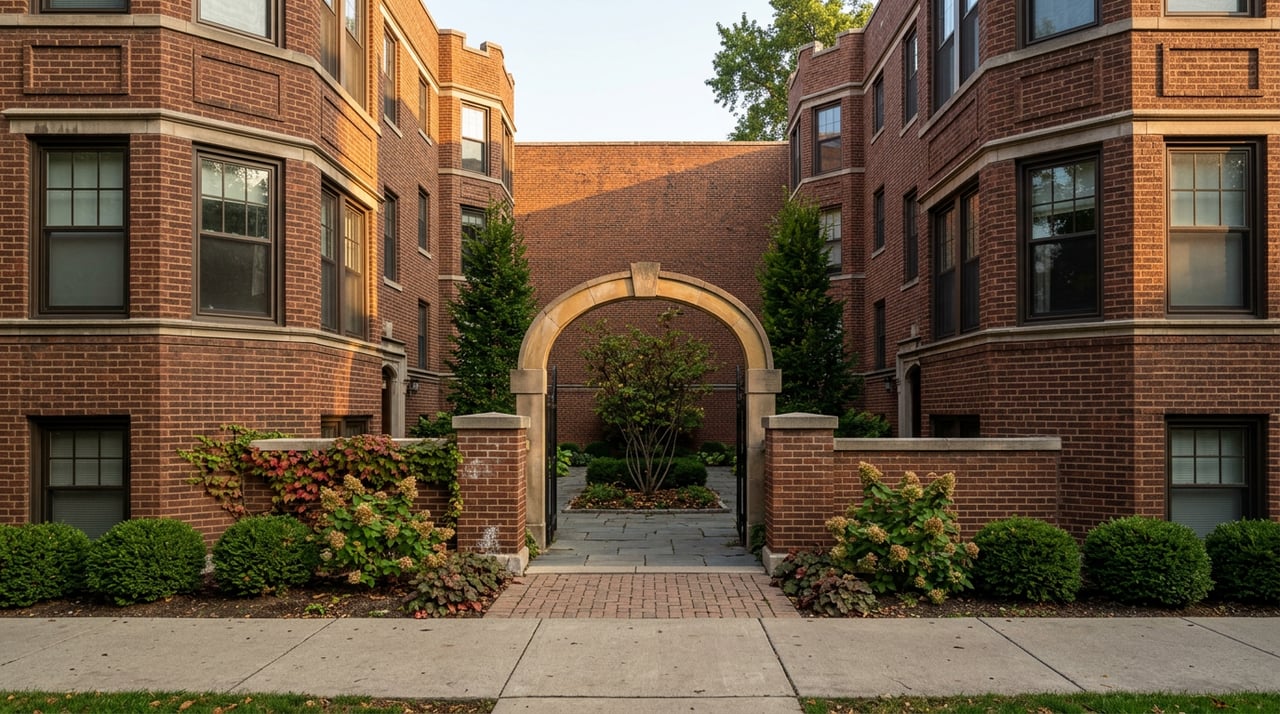
Near Northwestern and downtown Evanston, you will see higher condo density, strong rental demand, and excellent access to CTA Purple Line, Metra, and local dining. If you value walkability and quick commutes, this pattern fits well.
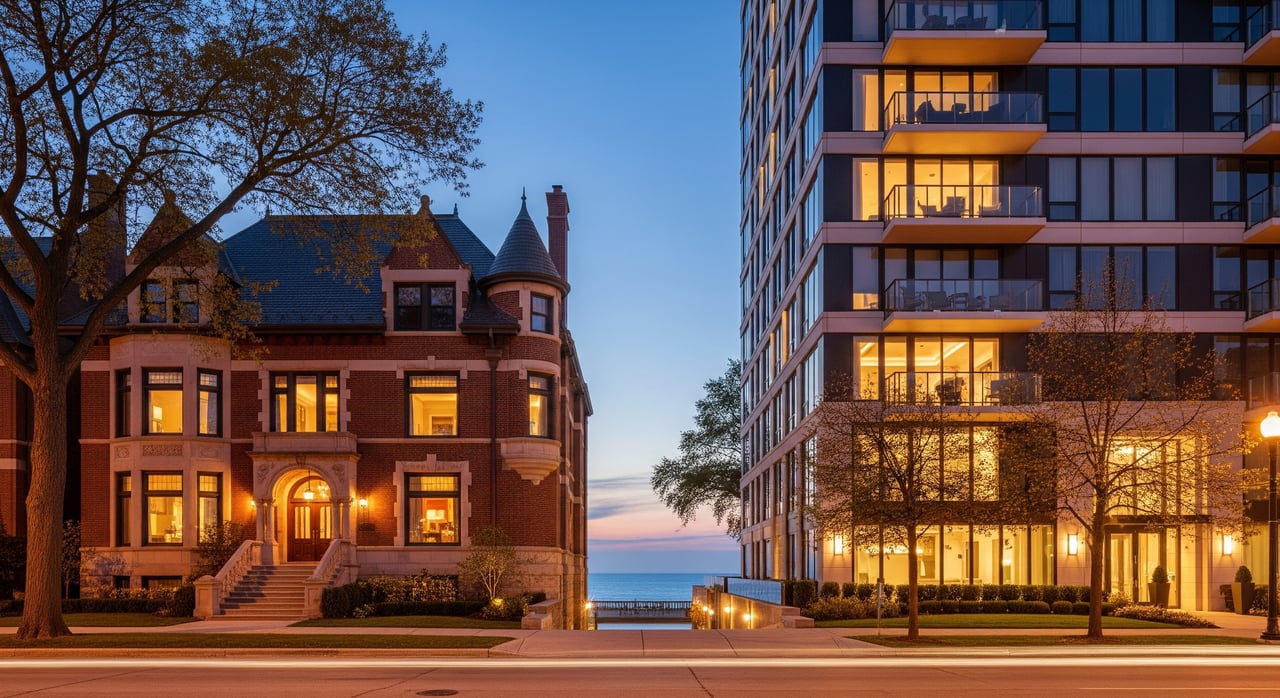
Along the lakefront and in northern parts of Evanston, you will find premium housing and some higher-end condos with views and recreation nearby. For buyers focused on outdoor space or scenery, these areas can be appealing.
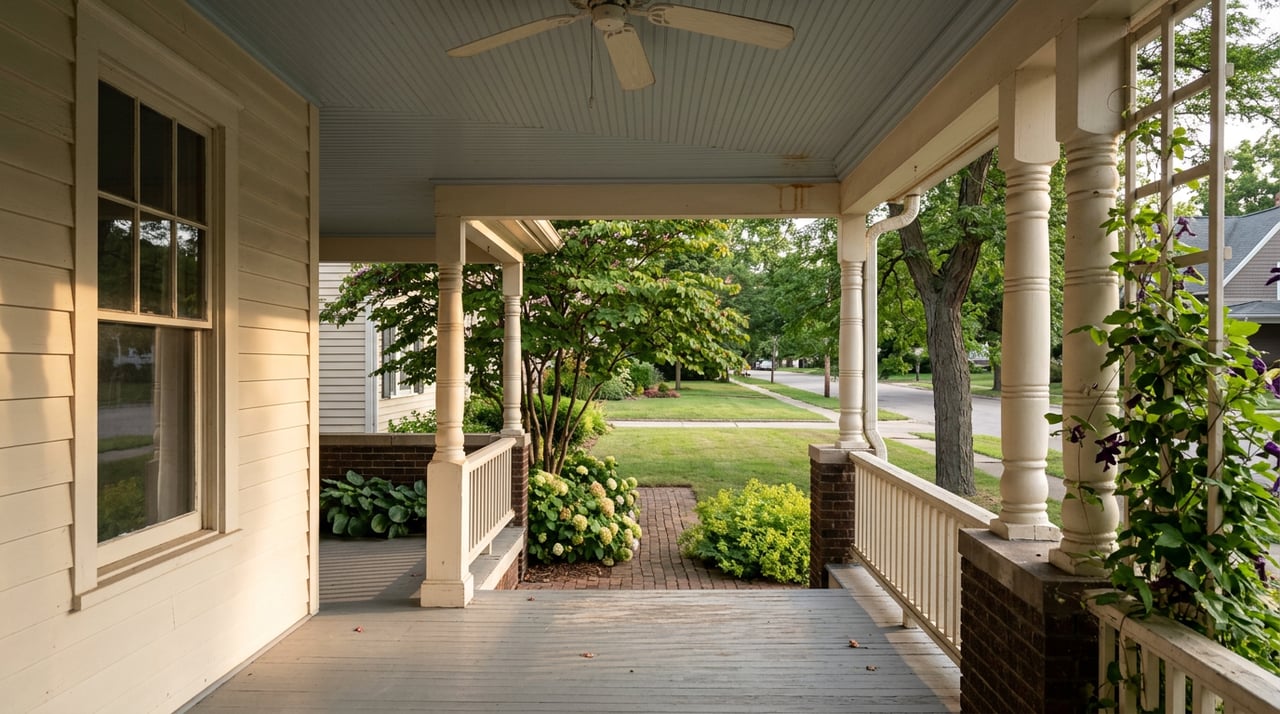
In central, southeast, and southwest residential pockets, single-family homes are more common. These streets often offer yards, more privacy, and a traditional residential feel. For families tracking district boundaries, confirm specific school assignments with the appropriate district offices.
How to choose: a quick framework
Start with your priorities. Do you want low exterior maintenance, amenities, and a walkable location? A condo may offer a simpler routine with predictable shared costs. Do you want privacy, yard space, and long-term control over improvements? A house may better match your goals.
Next, map your monthly budget. Build a total monthly estimate that includes mortgage, insurance, taxes, utilities, and either HOA fees or a maintenance reserve. Compare apples to apples.
Finally, consider your time horizon. If you plan to move within a few years, evaluate condo building health carefully to minimize resale friction. If you plan to hold longer, land value and the ability to renovate can make a house compelling.
Buyer checklists
Use these checklists to compare options consistently. Ask for documents up front so there are no surprises later.
Condo due diligence
- Current monthly HOA fee and what it covers
- Two years of HOA financials, current budget, and reserve study
- Minutes of recent board meetings and any pending litigation
- Owner-occupancy ratio and investor concentration
- Recent or upcoming special assessments and capital projects
- Master insurance policy type and recommended HO-6 coverage
- Rental rules, parking allocations, and any short-term rental policy
- Age and condition of major systems like boilers and elevators
Single-family due diligence
- Roof, foundation, windows, siding, and system ages
- Lot drainage, grading, tree health, easements, and encroachments
- Permit history for renovations and final inspections
- Nearby development plans and infrastructure projects
- Historic property tax bills and potential reassessment impact
Financial planning checklist
- Total monthly cost: mortgage, taxes, insurance, HOA or maintenance, utilities
- Cash reserves for repairs or assessments
- Preapproval with a lender experienced in Evanston condos and houses
- If renting is part of your plan, verify local ordinances and any HOA rules
Common tradeoffs at a glance
- Condos: Lower entry price and less exterior maintenance, plus amenities and convenient locations. You accept HOA rules, shared decision-making, and the risk of assessments.
- Houses: Higher upfront and ongoing costs, with full control of improvements and potential land appreciation. You take on maintenance but gain privacy and flexibility.
Next steps and guidance
Your best choice aligns with your budget, your lifestyle, and your time horizon. In Evanston, location and property condition often matter more than whether it is a condo or a house. We can help you compare real MLS comps, estimate true monthly costs, and assess building or lot-level risks before you commit.
If you want a clear, data-backed path to the right Evanston home, connect with DeMarcus Hunter to Book a Consultation.
FAQs
What costs do Evanston condo HOA fees cover?
- Often exterior maintenance, common utilities, building insurance under a master policy, landscaping, elevator service, and reserve contributions, with specifics set by each association.
How do Evanston property taxes affect monthly housing costs?
- Property taxes are a major line item for both condos and houses, so review a property’s tax history and consider potential reassessment to build an accurate monthly budget.
Is financing a condo in Evanston harder than a house?
- Condo loans may require building-level approvals, owner-occupancy thresholds, and adequate reserves, while single-family financing is usually more straightforward.
Which holds value better in Evanston, a condo or a house?
- Houses often benefit from land and expansion potential, while condo values hinge on building quality, reserves, location, and management.
What condo documents should I review before buying in Evanston?
- Ask for HOA financials, current budget, reserve study, meeting minutes, insurance summary, assessment history, rental rules, and details on major systems and projects.