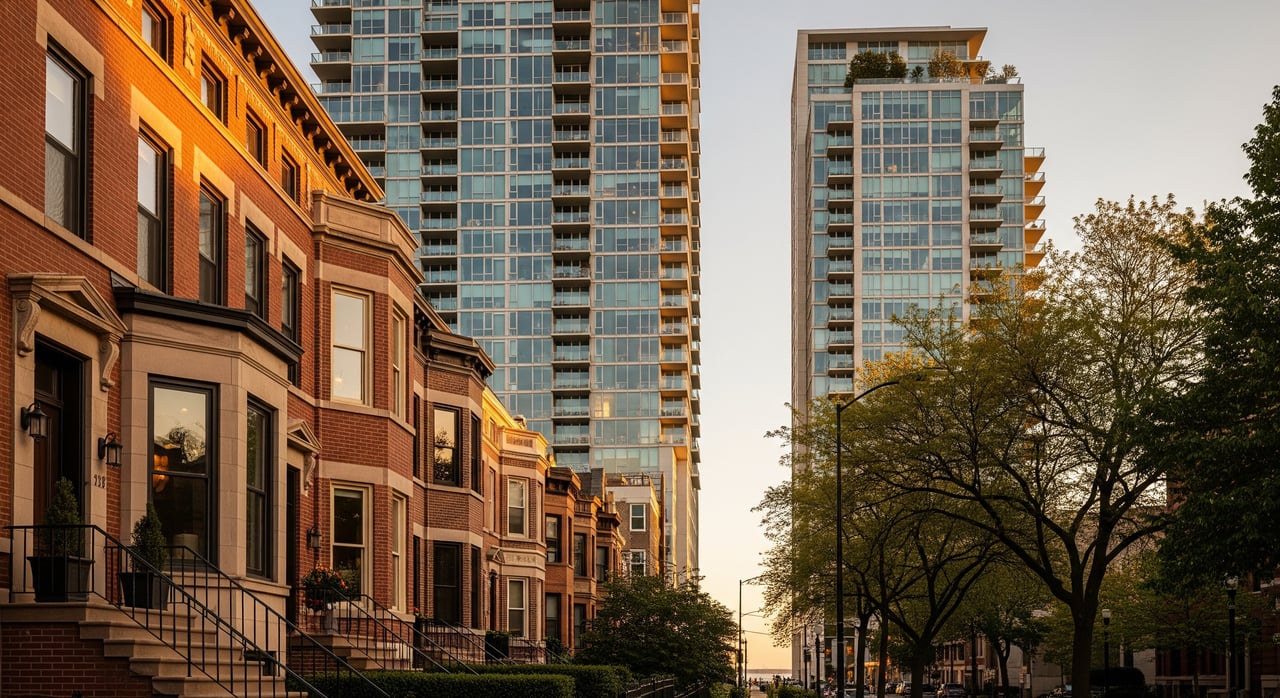
Trying to decide between a condo or a townhome in Lincoln Park? You are not alone. With strong walkability, lakefront access, and lively dining, this neighborhood offers both options in appealing locations. The best fit comes down to how you live today and what you value most. In this guide, you will compare real ownership costs, parking and outdoor space, and renovation flexibility so you can choose with confidence. Let’s dive in.
Lincoln Park options at a glance
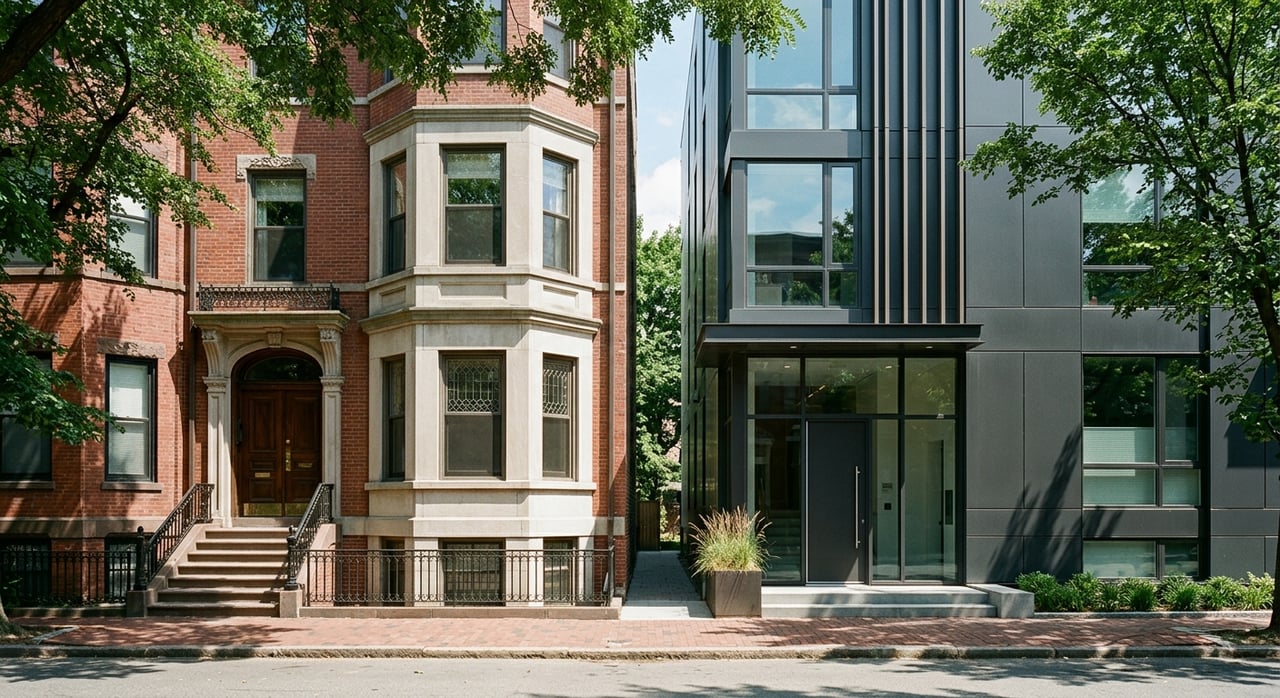
Lincoln Park is an amenity-rich, high-demand neighborhood just north of downtown Chicago. You will find older brick walk-up condos, boutique mid-rises, and a mix of historic and newer townhomes. Condos are more common, while townhomes are scarcer, which can create pricing premiums for units with private garages and outdoor space.
Because condos are more plentiful, they often provide lower entry prices and more choices for first-time buyers or downsizers. Townhomes, by contrast, tend to attract buyers who want a more home-like layout, direct access to parking, and private outdoor space. In both cases, exact pricing varies by age, condition, location, and features.
Ownership costs: what to compare
Buying in Lincoln Park means comparing more than list price. Look at monthly and annual costs, plus what the association covers versus what you will handle on your own.
Purchase price realities
Townhomes in Lincoln Park commonly sell at a premium relative to many condos. This reflects larger living areas, private entrances, garages, and yards or patios. The premium can be material, but it varies widely by condition and location. Condos usually offer a lower initial outlay and can be a practical way to buy into the neighborhood.
HOA dues: what they cover
- Condos: Monthly dues are standard. They often include exterior and roof maintenance, shared systems and common areas, reserves, and sometimes heat, water, and trash. Dues vary widely by building size and amenities.
- Townhomes: Fee-simple townhomes may have no dues. Townhomes inside a condo or homeowners association often have dues that can be similar to condo buildings, especially if the association covers exterior maintenance, snow removal, and reserves. Always check what is included. A lower fee that excludes key services can still cost more in total if you must cover large items yourself.
Property taxes in Cook County
Property taxes are assessed by Cook County and paid per parcel. Fee-simple townhomes are typically taxed as a full building and lot, while condo taxes are apportioned by unit. Exact amounts depend on assessed value and exemptions. Review recent tax bills for each property you are considering.
Insurance differences
- Condos: You will usually need an HO-6 policy to cover interior finishes and personal property. The association’s master policy covers the building exterior and shared areas to a defined extent. Confirm the master policy type, such as bare walls-in or all-in.
- Townhomes: Fee-simple owners typically carry an HO-3 or HO-5 homeowners policy that covers the structure and exterior. Premiums can be higher than HO-6 because coverage is broader.
Maintenance and capital costs
- Condos: Exterior, roof, and common-area upkeep are paid through your dues. Big projects can trigger special assessments.
- Townhomes: If fee-simple, you are responsible for roof, exterior, foundation, yard, and driveway or garage. Your long-term costs may vary more year to year. Budget for systems replacement over time.
Special assessments and reserves
Ask for association financials, reserve studies, and meeting minutes. These documents help you spot planned capital projects, reserves strength, and the likelihood of future special assessments. Strong reserves reduce surprises.
Parking and daily convenience
Parking and outdoor space often tip the scales in Lincoln Park. Understand your daily routine and choose accordingly.
Street parking and permits
Lincoln Park is dense and many blocks use residential permits or have time limits and street-sweeping rules. Availability can tighten near commercial corridors and parks. If you rely on street parking, check the permit zone on your target block, guest pass rules, and the impact of nearby attractions.
Assigned and garage parking
- Condos: Newer or mid-rise buildings often include assigned spaces in a garage or a surface lot. Older walk-up condos may not include dedicated parking.
- Townhomes: Many include private garages or driveways attached to the unit. This convenience is a major draw and can support resale value.
If guaranteed parking matters for your commute or peace of mind, prioritize a townhome with a garage or a condo with deeded or assigned parking.
Outdoor space and privacy
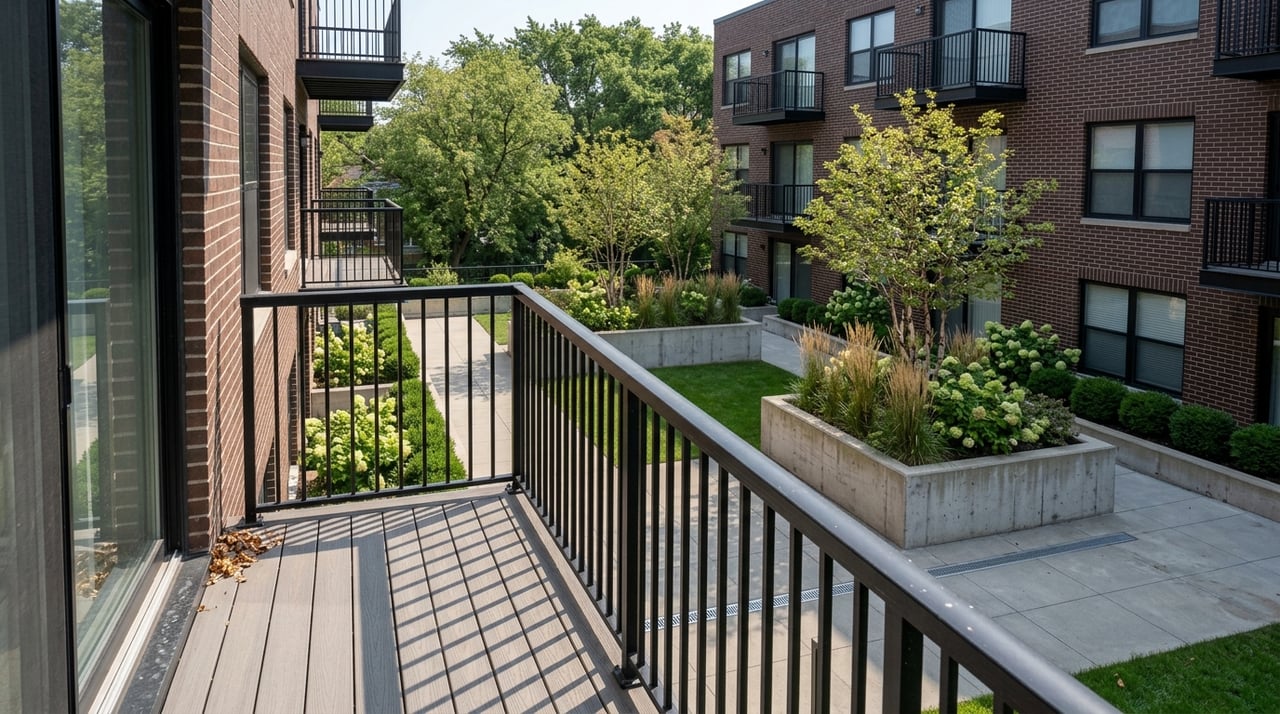
- Condos: Expect balconies, shared courtyards, or rooftop decks. Balconies can be modest and rooftop access may be shared or regulated by building rules.
- Townhomes: More likely to offer private ground-level yards, patios, or small gardens. This can be ideal for pets, gardening, or private outdoor dining.
Townhomes often feel more private, with fewer shared hallways and a direct entrance from the street or a courtyard.
Noise, storage, and layout
Condo living usually means more shared walls and vertical stacking. Storage may be limited to closets or a small storage room. Townhomes typically provide multi-floor layouts and more storage, with fewer shared walls. You still share party walls, but the day-to-day feel is closer to a single-family home.
Transit and walkability
Both condos and townhomes in Lincoln Park offer strong walkability and transit access. Proximity to shops, parks, and the lake often supports pricing across product types. Compare commute times and transit stops at the block level.
Renovation flexibility
Your renovation freedom depends on ownership structure and the scope of work.
Ownership structure and control
- Fee-simple townhome: You own the structure and the land, so you have more control over interior and exterior changes, subject to city permits and any association rules.
- Condominium unit: You own the interior of your unit and share common elements with other owners. Structural elements, plumbing stacks, windows in some buildings, and façade changes typically require board approval.
- Townhome inside a condo association: These hybrid structures can blend rules. You may control the interior, while the association regulates the exterior and roof. Review the recorded declaration.
Approval paths and timing
- Condos: Cosmetic work may require notice. Changes that affect structural elements or shared systems usually need board approval, proof of contractor insurance, and compliance with building work rules.
- Townhomes: Fee-simple owners follow city permitting for structural, electrical, plumbing, HVAC, and roof work. If an association exists, you may need approval for exterior changes, fencing, or materials.
Chicago permits and landmarks
Major work in Chicago generally requires permits and inspections. Parts of Lincoln Park include historic districts. Exterior changes on a landmark property may need additional review. These steps can extend timelines and limit material options. Plan accordingly.
Cost and timeline trade-offs
Condo approvals can add time, deposits, and elevator or contractor requirements. Boards can deny projects that affect building systems. Fee-simple townhomes often move faster on scheduling, although narrow lots and alley access can still add logistical costs. In both cases, plan for city permits and professional contractors.
Who should pick what
You can narrow your search by aligning your daily life, budget, and renovation goals with each option’s strengths.
Choose a condo if
- You want a lower entry price and strong walkability in a central location.
- You prefer lower exterior maintenance, with the HOA managing big-ticket items.
- You are comfortable with shared amenities and building rules.
- You plan mostly cosmetic updates or light interior work.
Choose a townhome if
- You want a private garage or driveway and fewer shared walls.
- You value a small yard, patio, or more private outdoor space.
- You prefer a multi-level layout that feels more like a single-family home.
- You want more control over renovations and are willing to manage exterior upkeep.
Due diligence checklist
Use this list to compare specific properties and avoid surprises.
- Ownership documents
- Condos: Declaration, bylaws, recent meeting minutes, budget, reserve study, master insurance policy, current and historical assessments, and any pending litigation.
- Townhomes: Confirm fee-simple or condo-townhome structure. If there is an association, request the same documents as a condo.
- Financials
- HOA dues and exactly what they cover, reserve levels, known projects, and any upcoming special assessments.
- Recent Cook County tax bills and applicable exemptions.
- Utilities: Which are included in dues and which you will pay separately.
- Structural and systems
- Responsibility for roof, exterior, foundation, and HVAC. Verify the age and condition of major components.
- Parking and access
- Type of parking included. Confirm deeded garage, assigned space, or reliance on street permits. Ask about guest passes and any restrictions.
- Renovation rules
- Board approval requirements, contractor insurance and work-hour rules, flooring and sound restrictions, pet policies, and short-term rental rules.
- For townhomes: Any historic or landmark constraints that affect exterior work.
- Lifestyle checks
- Noise exposure, proximity to transit and parks, and outdoor space details such as balcony size or yard square footage.
- Comparable sales
- Review recent comps for similar properties on nearby blocks. Compare price per square foot, outdoor space, and parking.
Simple comparison worksheet
Use this quick worksheet for each property you tour:
- Purchase price
- Estimated mortgage payment
- Monthly HOA dues and what they include
- Monthly property tax estimate
- Insurance estimate (HO-6 for condo, HO-3 or HO-5 for townhome)
- Utilities not included in HOA
- Monthly maintenance reserve you plan to set aside
- Parking costs or permit needs
- Renovation rules and likely timeline for your planned projects
- Overall convenience score for parking, outdoor space, privacy, and commute
Next steps for Lincoln Park buyers
- Request and review association financials and minutes early in your offer process.
- Confirm whether a townhome is fee-simple or part of a condo regime, since this affects taxes, insurance, and renovation control.
- Visit target blocks at different times to assess parking availability and neighborhood activity.
- If you plan renovations, speak with a licensed contractor and factor in board approvals, permits, and potential landmark reviews.
- If low maintenance is a priority, focus on condo buildings with solid reserves and comprehensive coverage. If guaranteed parking matters most, prioritize units with deeded or private garages.
Ready to compare real properties and run the numbers side by side? Connect with DeMarcus Hunter to get a data-driven plan for Lincoln Park that matches your lifestyle and budget.
FAQs
What are typical HOA dues for Lincoln Park condos?
- Dues vary widely by building size and amenities. Smaller walk-ups often run lower, while amenity buildings can be higher. Always compare what dues include, such as heat, water, reserves, and maintenance.
How are Cook County property taxes handled for condos vs townhomes?
- Fee-simple townhomes are taxed as a full building and lot, while condos are apportioned by unit. Exact amounts depend on assessed value and exemptions. Review recent tax bills for each property.
Is street parking practical in Lincoln Park?
- It depends on the block. Many areas use residential permits or have time limits and street sweeping. If you rely on street parking, confirm permit zones, guest rules, and peak times near parks and commercial areas.
Do townhomes usually include private garages in Lincoln Park?
- Many townhomes include a private garage or driveway, which is a major convenience and can support resale value. Verify the type of parking and any association rules.
How much renovation freedom do I have in a condo vs a townhome?
- Condo renovations that affect common elements usually require board approval and compliance with building rules. Fee-simple townhomes offer more control, but you still need city permits and must follow any association or landmark guidelines.
What is a special assessment and how do I avoid surprises?
- A special assessment is an extra fee charged by an association for capital projects. Review budgets, reserve studies, and meeting minutes to identify planned work and the strength of reserves before you buy.