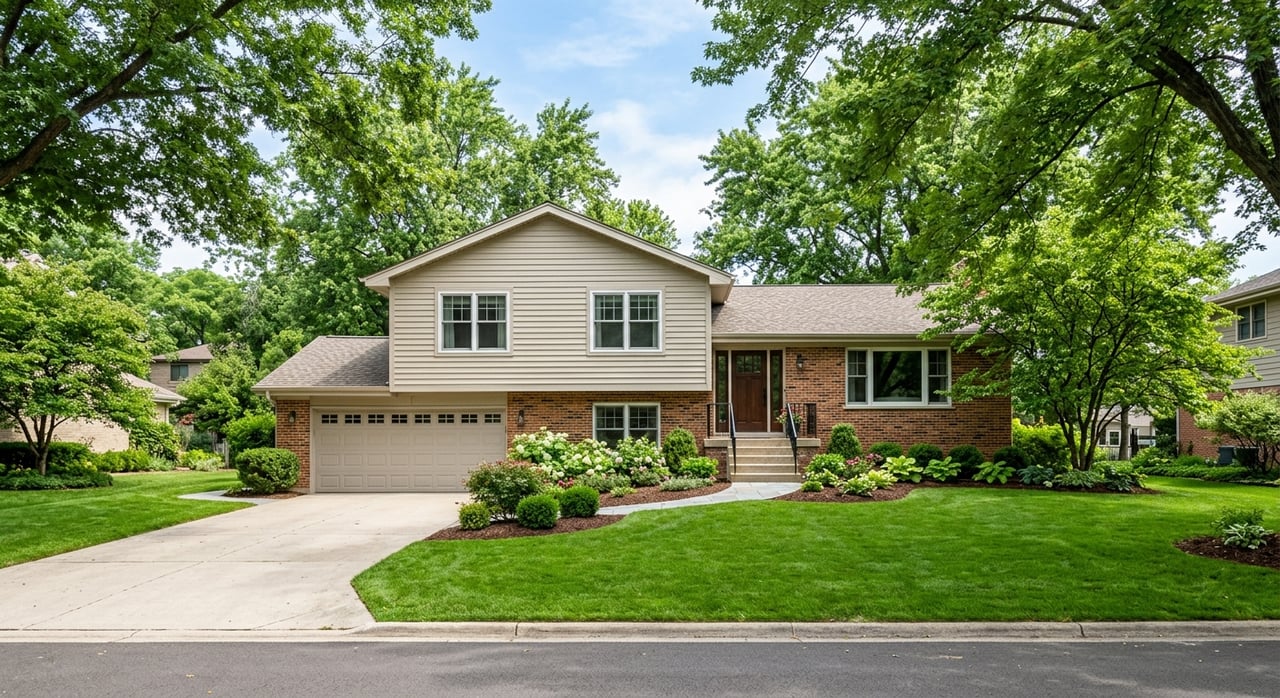
Buying your first home in Homewood-Flossmoor can feel exciting and a little intimidating at the same time. If you are moving from a rental in Chicago or another nearby area, you are probably wondering what prices look like, how competitive the market feels, and what kind of home you can realistically expect. This guide will walk you through the basics of buying in Homewood and Flossmoor so you can plan your budget, understand the housing stock, and move forward with more confidence. Let’s dive in.
Homewood-Flossmoor at a glance
Homewood and Flossmoor are often grouped together, but they are not the same market. Recent market snapshots put Homewood’s median sale price at $225,500 in March 2026, while Flossmoor’s median sale price was $310,000 in the same month. For context, Chicago’s median sale price was $395,400 in May 2026.
That price difference matters if you are buying for the first time. In simple terms, Homewood tends to be the more accessible entry point, while Flossmoor sits at a higher price tier. Both communities can appeal to buyers who want suburban housing options with rail access to Chicago.
What kind of homes to expect
If you are coming from the city, one of the biggest differences is the housing mix. Homewood is 78.7% single-family detached housing, and Flossmoor is 84.7% single-family detached. Chicago, by comparison, has a much larger share of condos and multifamily buildings.
That means your first-home search in Homewood-Flossmoor will likely center on houses, not condos. Attached options do exist, including condos, townhomes, and apartments, but they make up a smaller part of the market. If you want more indoor space, more rooms, or a yard, that local housing mix may feel like a better fit.
Room counts also support that house-focused feel. Homewood has a median of 6.5 rooms, with many homes in the 3-bedroom and 4-bedroom categories. Flossmoor has a median of 7.9 rooms, with a large share of 3-bedroom and 4-bedroom homes as well.
Older homes are part of the picture
A first-time buyer in Homewood-Flossmoor should go in with realistic expectations about home age. Homewood’s median year built is 1962, and Flossmoor’s is 1967. In both communities, a large share of homes were built between 1940 and 1969.
That does not mean you should expect bad houses. It does mean older-home questions will likely come up during your search and inspection period. You may see items related to maintenance, updates, or long-term repair planning that are more common in established housing stock.
Budget for more than the price tag
For first-time buyers, the list price is only one piece of the budget. Monthly ownership costs can feel very different from rent, especially once you factor in mortgage payments and closing costs. In Homewood, the median selected monthly owner cost with a mortgage is $1,772, while Flossmoor’s is $3,031.
Those numbers help set expectations. Buying may mean a higher monthly commitment than renting, and the gap can be especially noticeable in Flossmoor. If you are moving from a Chicago rental, it is smart to compare your full monthly payment target, not just the purchase price.
Mortgage rates also play a major role in affordability. Freddie Mac reported the average 30-year fixed-rate mortgage at 6.52% on June 11, 2026. Even when a home price feels manageable, financing costs can meaningfully change your monthly payment.
Homewood vs. Flossmoor vs. Chicago
For many first-time buyers, the real decision is not just Homewood or Flossmoor. It is also whether to buy in these suburbs or stay in the city. The answer often comes down to the type of home you want and the kind of ownership responsibilities you are ready to take on.
Here is a simple breakdown:
| Area | What to expect |
|---|---|
| Homewood | Lower median sale price, strong single-family housing mix, more approachable suburban entry point |
| Flossmoor | Higher price point, very high owner-occupancy, more premium ownership market |
| Chicago | More condos and multifamily choices, denser environment, different ownership experience |
If you want more space and a house-centered market, Homewood-Flossmoor may line up well with your goals. If you prefer attached housing and a more urban housing mix, Chicago may still offer more of what you are used to.
Why commute still matters
Your daily routine should be part of your buying decision. Homewood is about 25 miles south of Chicago’s Loop, and the village says the city is about 30 minutes away by train during rush-hour service. Flossmoor also has Metra access, with commuters regularly traveling to Millennium Station and the University of Chicago.
That makes Homewood-Flossmoor worth a serious look if you want suburban housing options without fully giving up city access. For many first-time buyers, that balance is part of the appeal. You may be able to shift your housing type without dramatically changing your work commute.
How to prepare financially
The strongest first-time buyers usually do their planning before they start touring homes. That means understanding your numbers, getting clear on your comfort zone, and building a realistic cash-to-close plan. A careful start can help you move faster when the right home shows up.
A good early checklist includes:
- Review your monthly budget and decide what payment feels sustainable
- Get pre-approved before you start making offers
- Compare official loan offers from lenders
- Set aside funds for down payment and closing costs
- Leave room in your budget for repairs, updates, and move-in expenses
If you need help with upfront costs, Illinois offers assistance programs that may be relevant. IHDA’s Access Home program offers up to 6% of the purchase price, capped at $15,000, for down payment and closing cost help, and IHDA describes that assistance as deferred with no monthly payment. IHDA also requires homebuyer education for all borrowers using IHDA mortgage transactions.
What the buying process usually looks like
First-time buyers often feel better once the process is broken into clear steps. In Homewood-Flossmoor, the basic path is familiar: get pre-approved, tour homes, make an offer, work through contingencies, and close. The details matter, but the overall structure is very manageable when you know what each stage is for.
Here is the typical flow:
- Get pre-approved and confirm your budget
- Tour homes that match your needs and price range
- Submit an offer
- Work through contingency periods
- Review closing documents and prepare to close
This is where a process-driven approach really helps. When you understand each stage in advance, it becomes easier to make decisions without feeling rushed.
Contingencies first-time buyers should expect
Contingencies are built to protect you during a purchase. Common examples include financing, inspection, appraisal, home-sale, and home-close contingencies. Not every transaction uses them in the same way, but they are a normal part of the contract conversation.
In Homewood-Flossmoor, the inspection contingency deserves extra attention because so much of the housing stock is older. An inspection may uncover maintenance items, aging systems, or repairs that need negotiation or future budgeting. That is not automatically a red flag. It is simply part of buying in an established suburban market.
You should also be ready for the appraisal and financing parts of the transaction. If the home must appraise and your loan must be finalized, those milestones can affect timing and next steps. Clear planning on the front end can reduce stress later.
What to do before closing
The final stretch of a transaction can feel busy, but it is important to stay detail-focused. Before closing, review your closing documents in advance and make sure the final terms match what you expected. If repairs were agreed to during the transaction, confirm that they were completed before you close.
This is one of the moments when patience pays off. Buying your first home is a major step, and it is worth slowing down enough to double-check the numbers and the condition of the property. A calm, organized closing process usually starts with good preparation earlier in the deal.
What first-time buyers should remember
Homewood-Flossmoor offers a different path into homeownership than many Chicago buyers first imagine. You are more likely to find detached homes, more rooms, and a suburban ownership experience that comes with both space and responsibility. Homewood can be the more budget-friendly starting point, while Flossmoor can appeal to buyers looking for a more premium ownership market.
The key is to match the market to your goals. If you want a clear plan, realistic numbers, and guidance that helps you understand each step, your first purchase can feel much more approachable. When you are ready to map out your next move, connect with DeMarcus Hunter for a thoughtful, data-driven consultation.
FAQs
What should first-time buyers expect to pay in Homewood-Flossmoor?
- Homewood had a median sale price of $225,500 in March 2026, while Flossmoor was at $310,000, so your budget expectations may look different depending on which community you target.
What type of homes are most common in Homewood-Flossmoor?
- Both communities are dominated by single-family detached homes, which means first-time buyers will usually see more houses than condos in their search.
Why are home inspections important in Homewood-Flossmoor?
- The housing stock is older on average, so inspections often help buyers identify maintenance items, aging systems, and repair needs before closing.
Is Homewood more affordable than Flossmoor for first-time buyers?
- Based on recent sale price and owner-cost data, Homewood is generally the more accessible suburban entry point, while Flossmoor tends to be a higher-cost ownership market.
Are there Illinois programs for first-time buyers in Homewood-Flossmoor?
- IHDA offers assistance programs such as Access Home, which can provide down payment and closing cost help for eligible buyers, and homebuyer education is required for IHDA mortgage transactions.