Curious what everyday life in Edgewater actually feels like before you make a move? If you are looking for a Chicago neighborhood with lakefront access, transit convenience, and an active local business scene, Edgewater offers a lifestyle that is both practical and enjoyable. From weekday commutes to weekend routines, this guide will help you picture how people live here day to day. Let’s dive in.
Edgewater at a Glance
Edgewater is a lakefront community on Chicago’s North Side, about seven miles north of the Loop. It is bounded by Foster Avenue, Devon Avenue, Ravenswood Avenue, and Lake Michigan, which gives it a defined footprint and a strong connection to the water.
In 2024, Edgewater had 56,146 residents. The population mix included 49.2% of residents between ages 18 and 44 and 16.0% over age 65, which points to a neighborhood with younger adults, established households, and longtime residents all sharing the same community.
Daily Life Feels Walkable and Connected
One of the easiest ways to understand Edgewater is to think of it as an urban neighborhood with a village-like rhythm. You are close to transit, local businesses, and the lakefront, so many daily needs and routines can happen within the neighborhood itself.
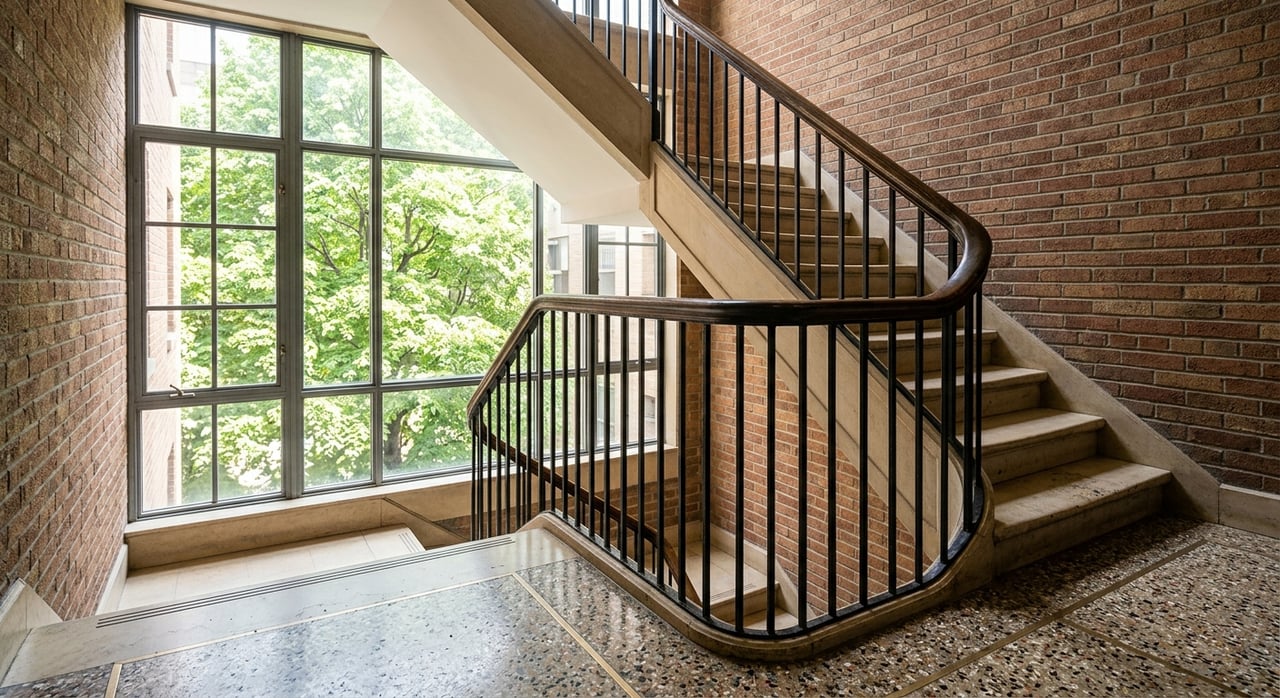
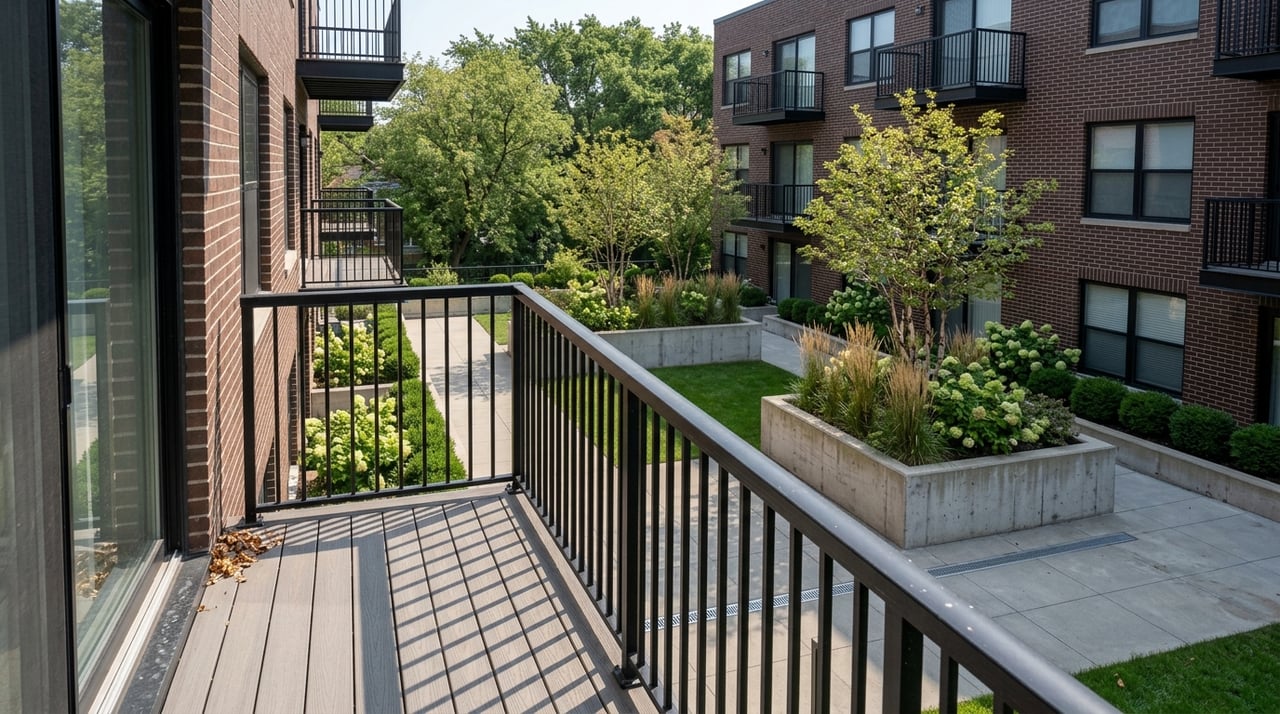
That experience can change from block to block. East Edgewater is known for high-rise apartment buildings, condominium complexes, and mid-rise homes, while the western side includes more commercial stretches, single-family homes, and two- to four-unit flats.
Edgewater is also a renter-heavy neighborhood. In 2024, 62.3% of households were renter-occupied and 37.7% were owner-occupied, with 47.1% of housing stock in buildings with five or more units.
Getting Around Edgewater
Transit shapes a big part of day-to-day life here. Edgewater is served by Red Line stops at Granville, Bryn Mawr, and Berwyn, giving you reliable rail access for trips downtown and to other parts of the North Side.
The neighborhood also benefits from active CTA bus service. Current routes include the 36 Broadway, 147 Outer DuSable Lake Shore Express, and 151 Sheridan, which help connect Edgewater to nearby neighborhoods and central Chicago.
In July 2025, the rebuilt Lawrence, Argyle, Berwyn, and Bryn Mawr stations opened with elevators and escalators as part of the Red and Purple Modernization project. For many residents, that means transit is not just available, but built into the weekly routine.
What a Typical Week Might Look Like
In Edgewater, a normal weekday may start with a short walk to a train station or bus stop, a coffee run along a commercial corridor, and a commute that does not require getting in a car. After work, you might head to the lakefront, pick up dinner nearby, or meet friends for a show or a casual night out.
That pattern is an inference based on the neighborhood’s transit network, housing layout, and commercial streets. Still, the physical setup of Edgewater clearly supports a lifestyle centered on convenience, walkability, and regular neighborhood activity.
Food and Shopping Near Home
Broadway and nearby corridors help anchor everyday errands and social life. This is where Edgewater’s practical side and personality come together, giving you places to grab a meal, shop, or spend part of your weekend without leaving the neighborhood.
The dining scene includes a wide range of options. Local coverage highlights Mexican food, Ethiopian cuisine, Sicilian street food, refined cocktails, small plates, and other international offerings, which adds variety to regular dining habits.
Shopping also plays a visible role in Edgewater’s identity. The neighborhood is known for antique, vintage, and resale shopping, and Broadway Antique Market is recognized as the city’s largest and oldest antique store.
Arts and Culture Stay Part of the Routine
Edgewater is not just about convenience. It also has a strong cultural presence that can become part of your regular schedule if you enjoy local performances and creative spaces.
The neighborhood is known for its storefront theatre district, with more than twenty theatre companies and venues. Notable names include Raven Theatre, Steep Theatre, The Neo-Futurists, Jackalope Theatre, Redtwist Theatre, and The Edge Off Broadway Theatre.
That matters for daily life because it adds options beyond restaurants and retail. Instead of treating entertainment like a special downtown trip, you may find that live performance is something you can access close to home.
Community Events Add Year-Round Energy
Edgewater’s local business community helps keep the neighborhood active beyond the basic workweek. The Edgewater Chamber of Commerce supports more than 225 member businesses and helps run recurring community events.
Those events include Edgewater Monday Market, Edgewater Indoor Market, Edgewater Music Fest, North Side Restaurant Week, and the Edgewater Sidewalk Sale. For residents, these kinds of recurring events can turn ordinary weekends into easy neighborhood outings.
This is one reason Edgewater often feels active year-round. Summer brings obvious lakefront energy, but markets, performances, indoor spaces, and community programming help maintain momentum in cooler months too.
Lakefront Living Is a Major Part of Edgewater
For many people, the biggest day-to-day draw in Edgewater is the lake. Living near Lake Michigan changes how you spend free time, exercise, and even unwind after work.
Osterman Beach is located near Edgewater and includes an accessible beach walk, a free beach wheelchair with valid ID, and a LEED-certified beach house. Lane Beach is also in Edgewater and includes an ADA-accessible soft-surface playground.
The Chicago Park District manages 26 miles of free lakefront beaches. Swimming is allowed only at lifeguarded beaches during beach season from 11 a.m. to 7 p.m., which is useful to know if beach access is part of the lifestyle you are considering.
Trails, Parks, and Recreation
The lakefront is not just for summer beach days. The Lakefront Trail extends to Edgewater and has separate routes for biking and walking, making it part of both recreation and daily movement.
That makes it easier to build outdoor time into your normal week. A walk before work, a bike ride after dinner, or a longer weekend run can all feel realistic when the trail is part of your neighborhood environment.
Beyond the shoreline, Broadway Armory Park adds another layer of recreation. Located at Broadway and Thorndale, it is the Chicago Park District’s largest indoor recreational facility, with five gymnasia, 13 rooms, youth programming, and event space.
The Housing Mix You Will See
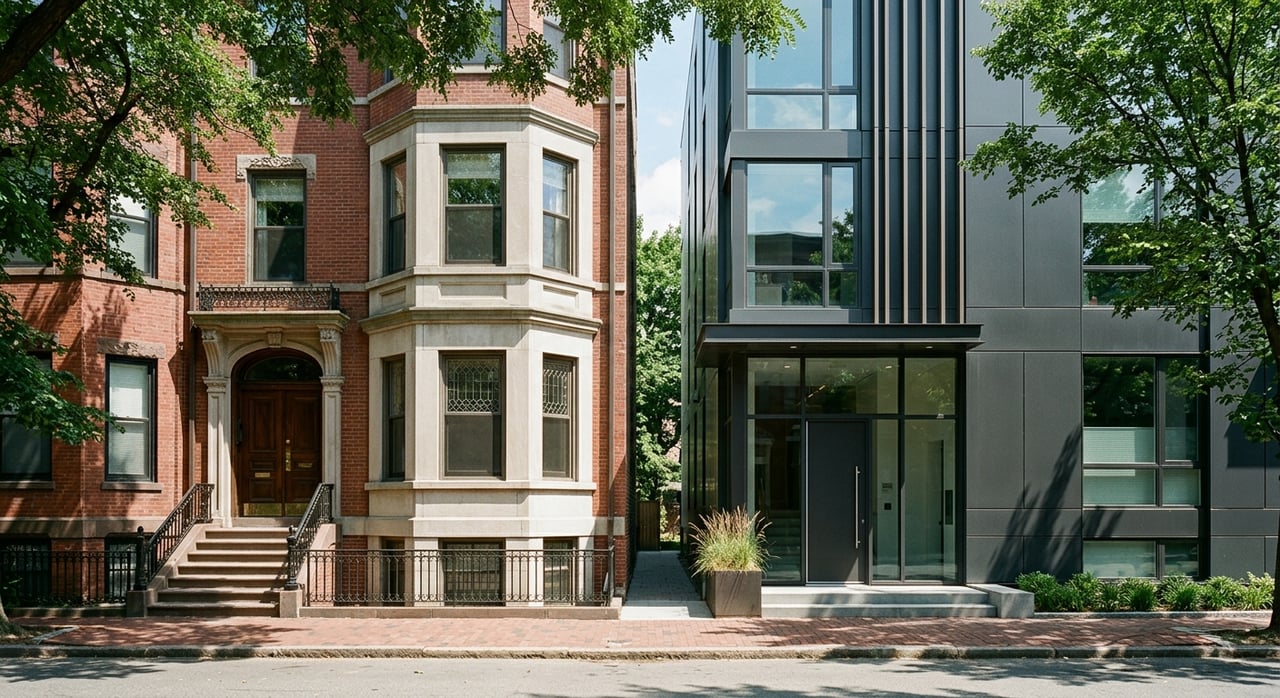
If you are trying to picture the homes in Edgewater, think mostly condos and multi-unit buildings with some quieter single-family pockets. The housing stock is diverse, but it leans strongly toward attached living.
In 2024, 47.1% of Edgewater’s housing stock was in buildings with five or more units. Another 37.3% was condominiums, 10.3% was in buildings with two to four units, and 5.3% was single-family homes.
That data helps explain why Edgewater often feels apartment- and condo-centered, especially closer to the lake. Farther west, the streetscape can read more like classic Chicago residential blocks with a different pace and scale.
What the Market Suggests for Buyers and Renters
For people comparing neighborhoods, price context matters. As of February 2026, Edgewater had a median listing price of $249,900 and a median rent of $1,747 per month.
Those numbers are best used as broad market anchors, not guarantees for any specific property. Still, they help frame Edgewater as a neighborhood where condo and rental options are a major part of the conversation.
If you are a buyer, that can mean looking closely at building type, monthly ownership costs, and block-by-block lifestyle differences. If you are a renter planning a future purchase, Edgewater can also be a useful neighborhood to study over time because the housing mix is so visible and varied.
Who Edgewater May Appeal To
Edgewater can be a strong fit if you want a neighborhood that blends transit access, lakefront recreation, and a steady stream of local activity. It offers a practical setup for people who value being able to move through daily life without depending heavily on a car.
It may also appeal to buyers and renters who prefer condos, apartments, or multi-unit living over a purely single-family environment. And if your ideal week includes markets, theater, beach time, and neighborhood restaurants, Edgewater gives you several ways to build those habits into your routine.
When you are comparing Chicago neighborhoods, that daily rhythm matters just as much as square footage or list price. Edgewater stands out because its lifestyle is not built around one feature alone. It is the combination of lakefront access, transit, housing choice, and local business activity that gives the neighborhood its shape.
If you are thinking about buying, selling, or investing in Edgewater or another Chicago neighborhood, working with a local advisor can help you match the numbers to the lifestyle you want. To talk through your goals and next steps, connect with DeMarcus Hunter.
FAQs
What is daily life like in Edgewater, Chicago?
- Daily life in Edgewater often centers on walkability, CTA access, neighborhood businesses, and easy access to the lakefront, with routines that can include commuting by train or bus, dining nearby, and spending time outdoors.
How do residents get around in Edgewater?
- Residents can use the CTA Red Line at Granville, Bryn Mawr, and Berwyn, along with bus routes like the 36 Broadway, 147 Outer DuSable Lake Shore Express, and 151 Sheridan.
What kinds of homes are common in Edgewater?
- Edgewater is mostly made up of multi-unit housing and condos, with smaller shares of two- to four-unit buildings and single-family homes.
What is there to do on weekends in Edgewater?
- Common weekend activities in Edgewater include visiting the beach, using the Lakefront Trail, shopping local markets, antiquing, dining out, and attending storefront theater performances.
Is Edgewater active year-round?
- Yes. Warm-weather routines often focus on the beach and lakefront trail, while theater, indoor recreation, markets, and chamber-supported events help keep the neighborhood active through the rest of the year.
What is the housing market context in Edgewater?
- As of February 2026, the median listing price in Edgewater was $249,900 and the median rent was $1,747 per month, which provides a general sense of pricing in the neighborhood.