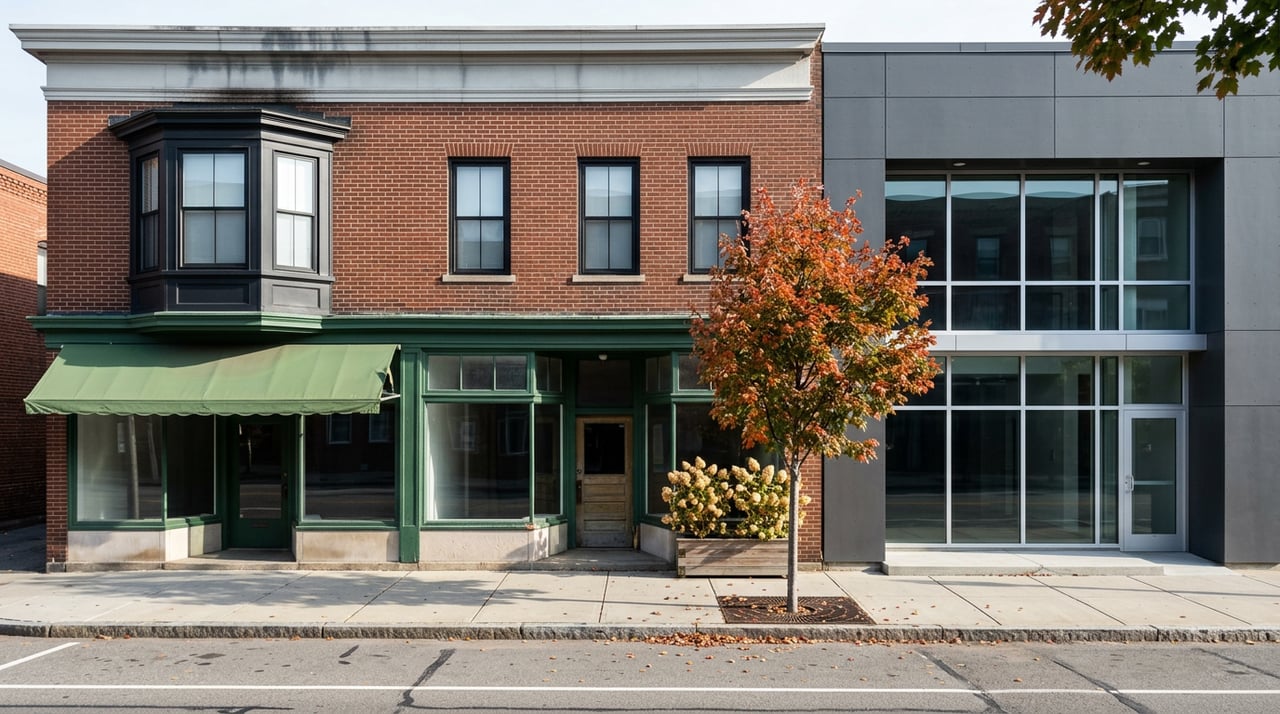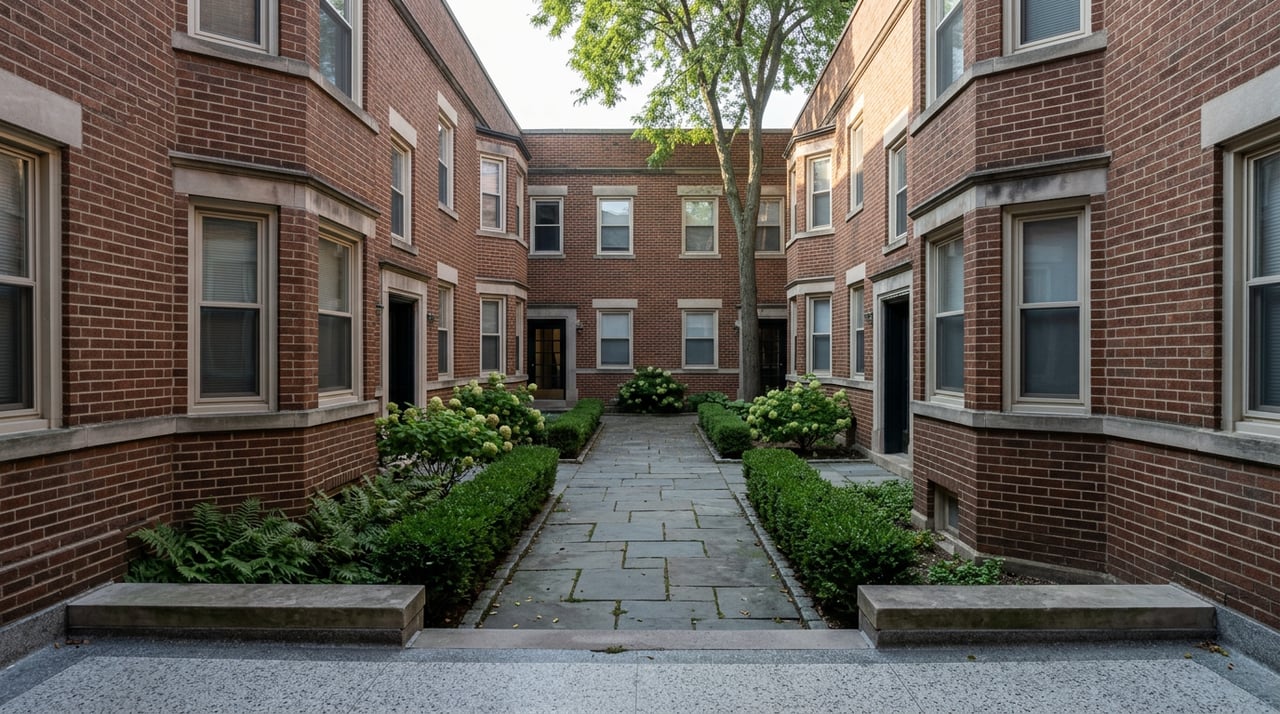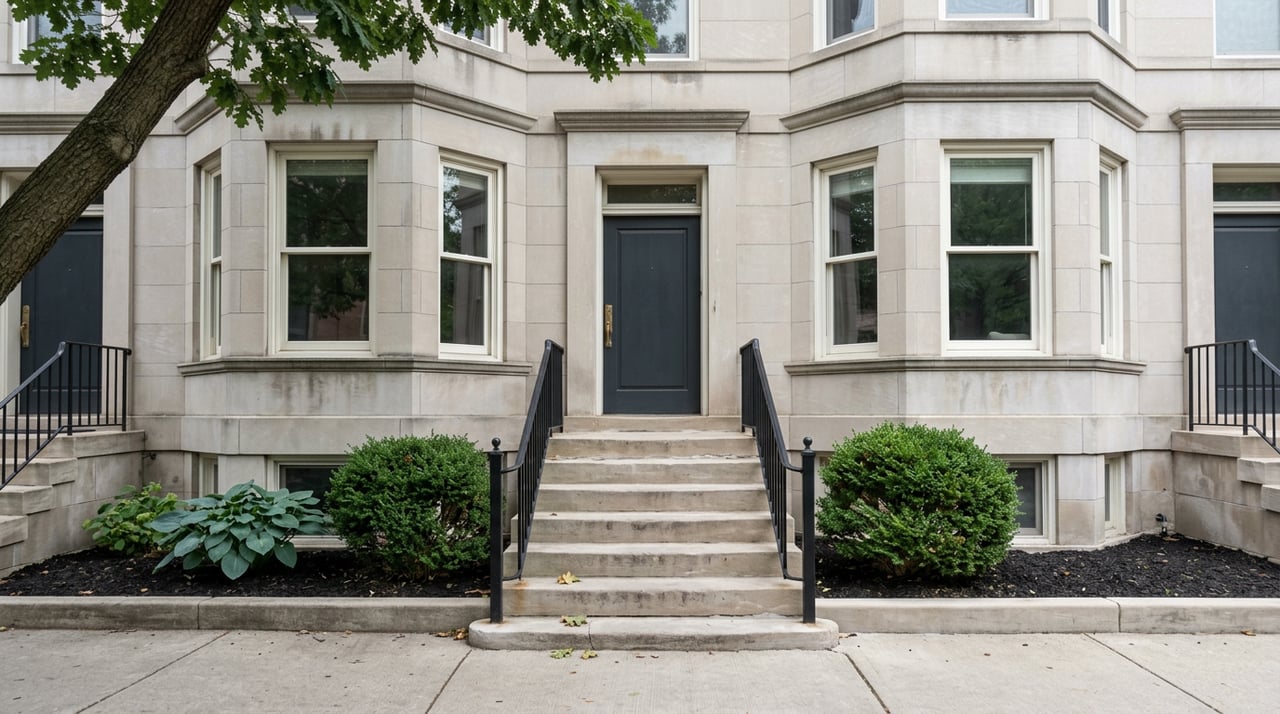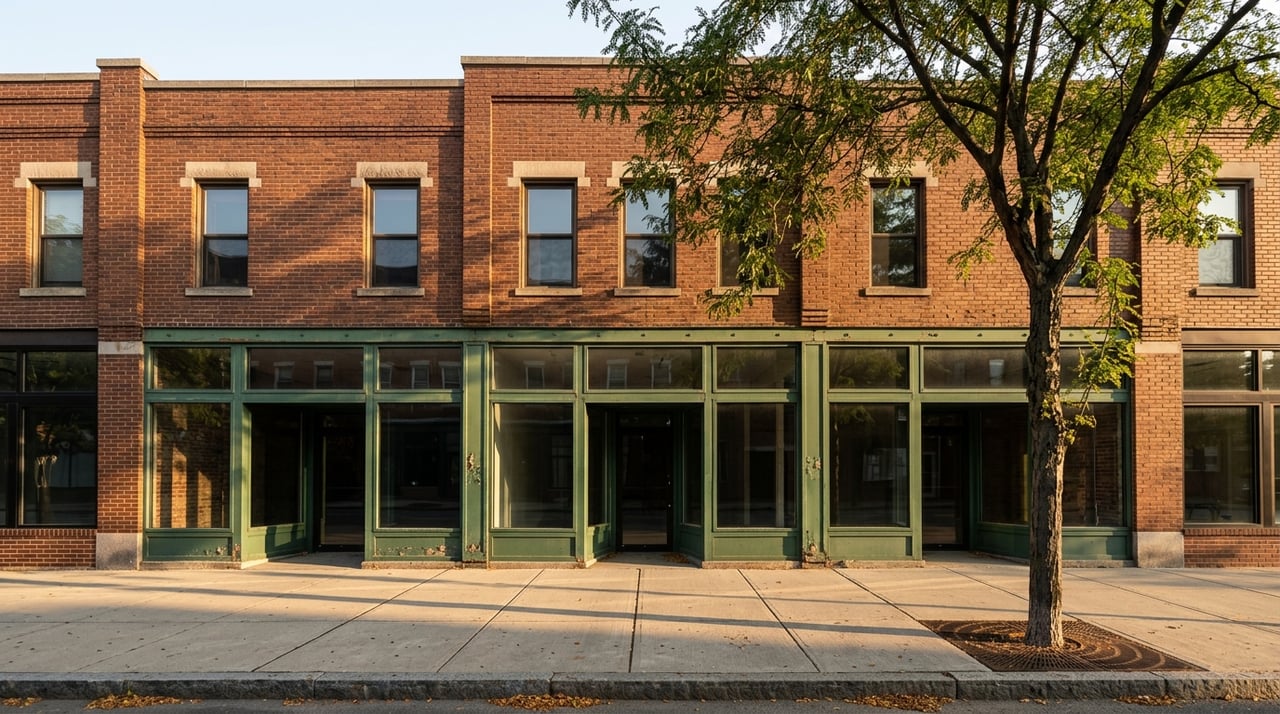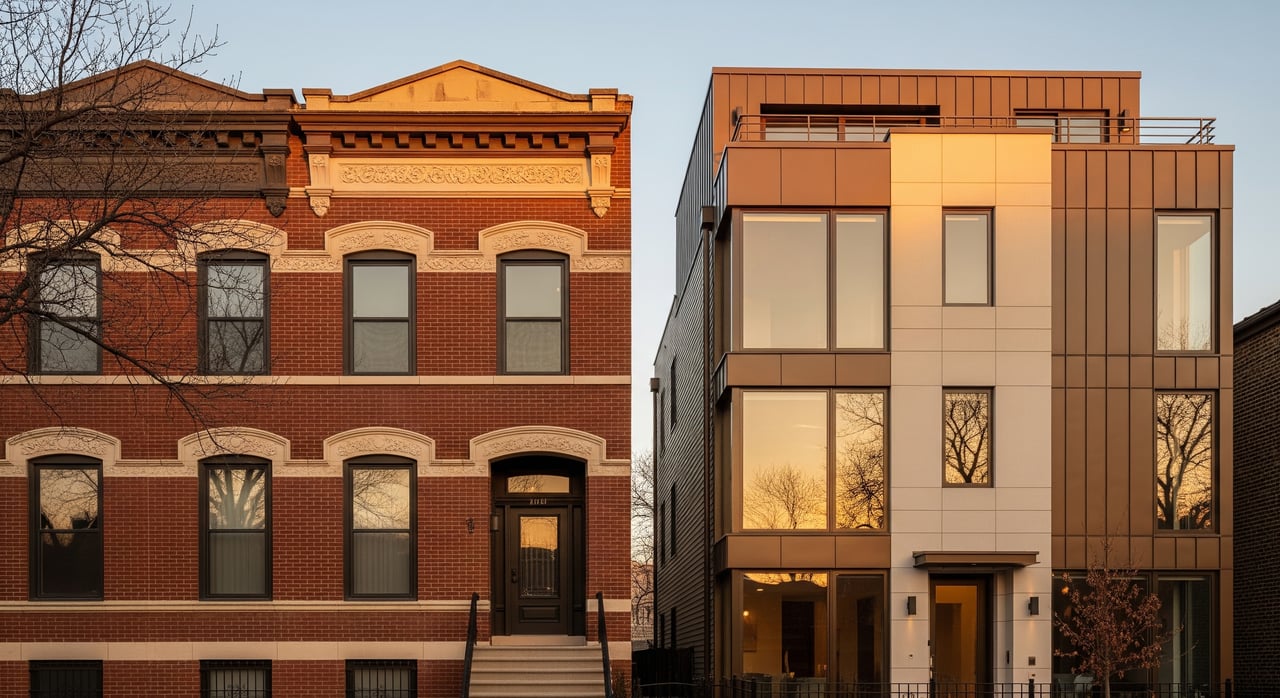
Torn between a sleek new townhome and a character-filled greystone in Bronzeville? You’re not alone. This South Side neighborhood blends historic architecture with a wave of modern development, which makes the choice exciting and a little tricky. In this guide, you’ll get a clear, local comparison of new builds and vintage homes, plus a simple decision framework to help you pick with confidence. Let’s dive in.
Bronzeville context
Bronzeville is known for its cultural legacy and architecture, including greystone rowhouses, brick courtyard buildings, and period single-family homes. Recent infill has added contemporary townhomes and condos near transit and neighborhood anchors. Proximity to downtown, CTA Green Line stations, parks, and cultural venues helps both vintage and new homes hold appeal. In some areas, historic designation can shape what you can change on a home’s exterior, so it pays to check status early.
New construction: what to expect
New builds in Bronzeville often feature open layouts, modern kitchens, and integrated storage. Many include attached or on-site parking and smart systems that simplify daily living. Energy-efficient windows, insulation, and mechanicals usually reduce utility costs compared to older homes. Infill projects tend to sit on smaller lots, but spaces are planned for today’s lifestyle with ensuites and flexible living areas.
Pros of new builds
- Lower immediate maintenance and predictable short-term expenses.
- Builder and manufacturer warranties that can cover systems for set periods.
- Contemporary layouts that live easily from day one.
- Easier electrification and energy upgrades if you choose to add features later.
Considerations for new builds
- HOA rules and reserves matter for condos and townhomes. Weak reserves can hurt resale and increase risk.
- Outdoor space can be smaller due to infill lot sizes.
- Customization is typically front-loaded during purchase and may be limited after closing.
Vintage homes: what to expect
Vintage Bronzeville homes deliver tall ceilings, original millwork, hardwood floors, and generous windows. Many greystones and rowhouses offer larger interior volume than newer vertical builds. You can modernize kitchens and baths while preserving period details for long-term appeal. In landmarked areas, exterior changes require review, while interiors are often more flexible.
Pros of vintage homes
- Distinct character and craftsmanship that attract many buyers.
- Solid masonry and old-growth materials can have long service life when maintained.
- Larger rooms and unique layouts that can be tailored to your style.
Considerations for vintage homes
- Potential near-term capital work like roof, tuckpointing, plumbing, electrical panel upgrades, HVAC, or window restoration.
- Higher ongoing maintenance and possible structural considerations such as settling or foundation work.
- Financing can be more complex if major systems are not functional at purchase; renovation loans may be a fit.
Cost and maintenance over time
When you compare total ownership costs, look beyond the purchase price. Factor in utilities, taxes, HOA fees if applicable, insurance, and realistic maintenance over a 5 to 10 year period. New builds typically keep early repair costs low thanks to warranties and modern systems. Vintage homes can require more upfront work, but well-executed upgrades can stabilize costs and support resale value.
Typical near-term items to assess
- Roof, masonry, and water management.
- Plumbing material and condition of supply lines and drains.
- Electrical panels and capacity for modern loads.
- HVAC age, efficiency, and ductwork condition.
- Windows and insulation performance.
Energy and comfort
New construction is built to modern codes with efficient windows, insulation, and mechanicals, which can reduce utility use. Many new units come with ENERGY STAR appliances and are ready for future electrification options. Vintage homes can improve significantly with targeted upgrades like insulation, high-efficiency HVAC, and LED lighting. Incentives and tax credits for clean energy and efficiency exist at federal, state, and city levels, but you should verify current rules and eligibility before making decisions.
Renovation potential and rules
Vintage properties often shine when you modernize kitchens, baths, and lighting while preserving character. If a home is within a local landmark district, exterior changes usually require review and permits. Interiors tend to allow more flexibility, but you still want proper permits and licensed contractors. Renovation loans, such as FHA 203(k) and Fannie Mae HomeStyle, can finance improvements into your mortgage when scope is significant.
Planning a vintage renovation
- Get multiple bids from contractors with masonry and greystone experience.
- Prioritize systems and envelope first, then kitchen and bath upgrades.
- Confirm permit history and prior work quality through documentation.
- Create a phased plan to match budget and minimize disruption.
Resale and marketability
New builds appeal to buyers who want turnkey living, modern layouts, and low maintenance. In condo or townhome settings, HOA terms, fees, and reserves play a major role in resale value. Vintage homes attract buyers seeking character, larger floor plates, and well-documented updates. Historic status can be a value-add for some buyers, though exterior restrictions may deter others who want maximum flexibility.
Financing and insurance
Most new builds work well with conventional loans, and some builders offer incentives through preferred lenders. Vintage homes with deferred maintenance may require renovation financing if major systems are not functional. For condos and townhomes, review HOA rules, budgets, and reserve studies to understand financial health. Insurance premiums on older homes can be higher if wiring, plumbing, or roofing is outdated, so obtain quotes early.
A simple decision framework
Use this checklist to clarify your best fit.
Lifestyle and space
- Do you want turnkey living or are you comfortable living through renovations?
- Do you value historic character or prefer open plans and modern amenities?
- How important are parking, transit access, and walkability to your daily routine?
Budget and financing
- What is your true budget including closing costs and near-term repairs?
- Could a renovation loan or home equity line support planned upgrades?
- How will HOA fees and utilities affect monthly affordability?
Risk tolerance and timeline
- Are you comfortable with the surprises that can surface in older homes?
- Is your time horizon short or long? Shorter stays favor predictability; longer stays can reward well-renovated vintage value.
- Do you have the time and bandwidth to manage contractors and permits if needed?
Due diligence checklist
- Confirm if the property is landmarked or in a historic district.
- Review permit history and ask for documentation of recent system upgrades and warranties.
- Request seller disclosures and consider a structural or engineering review if red flags appear.
- For condos or townhomes, obtain HOA bylaws, budgets, meeting minutes, reserve studies, and insurance certificates.
- Ask for 12 months of utility bills to estimate operating costs.
Who should choose what?
First-time buyers with limited renovation budget
If you want cost predictability and less complexity, new-construction condos or townhomes, or fully renovated vintage units, often make the most sense. You get modern systems and fewer early surprises. Review HOA health and reserves to avoid future special assessments. If you still love vintage, target homes with recent systems updates and documented work.
Move-up buyers seeking character and long-term value
If you’re ready to invest in modernization and can handle higher maintenance, a vintage greystone can be a rewarding long-term choice. You can preserve period details while upgrading systems and comfort. Build a phased renovation plan and verify any exterior rules tied to historic designation. Over time, a well-renovated character property can offer strong market appeal.
Your next steps
- Define your time horizon and your renovation comfort level.
- Map total ownership costs for 5 to 10 years, including utilities, insurance, HOA fees, and likely capital projects.
- For any vintage contender, line up inspections, collect permits and warranties, and price out top-priority upgrades.
- For any new build, review warranty coverage, HOA reserves, and any builder incentives.
- Compare recent local comps for both vintage and new in your immediate area to understand value and liquidity.
If you want a structured, low-stress path to your decision, connect with a local advisor who blends data and neighborhood insight. Book a consultation with DeMarcus Hunter to compare options side by side, pressure test assumptions, and move forward with clarity.
FAQs
What makes Bronzeville’s vintage homes unique?
- Many feature solid masonry, tall ceilings, original millwork, and period layouts that offer distinctive character and larger interior volume compared to many infill builds.
How do new builds in Bronzeville reduce early costs?
- New construction typically includes modern systems, energy-efficient components, and builder or manufacturer warranties that keep early maintenance and repair costs predictable.
Do historic rules limit what I can change on a vintage property?
- If the home lies within a local landmark district, exterior changes require review and permits, while interior work is usually more flexible with proper permits and licensed contractors.
What financing helps if I want to renovate a vintage home?
- Renovation products like FHA 203(k) or Fannie Mae HomeStyle can fold repair and upgrade costs into your mortgage when systems or layout updates are needed.
How do HOA reserves affect a new-construction condo or townhome?
- Healthy reserves support long-term maintenance and reduce the risk of special assessments, which can influence both monthly costs and future resale.
Are vintage homes always more expensive to insure?
- Not always, but older wiring, plumbing, or roofing can push premiums higher, so it’s smart to get insurance quotes during due diligence.
What should I include in a 5 to 10 year cost plan?
- Property taxes, utilities, HOA fees, insurance, expected maintenance, and capital projects like roof, tuckpointing, HVAC, plumbing, and window work.
Which option is better for short vs long time horizons?
- Shorter stays often favor new builds for predictability. Longer horizons can reward a well-renovated vintage property’s character and market appeal.
How can energy upgrades change the equation in a vintage home?
- Improvements like insulation, high-efficiency HVAC, and window work can reduce utility use and improve comfort, though payback depends on scope and usage.
What’s the fastest way to decide between new and vintage?
- List your top 3 must-haves, estimate total ownership costs for each property, and pressure test risks with inspections, HOA review, and historic status checks before you commit.