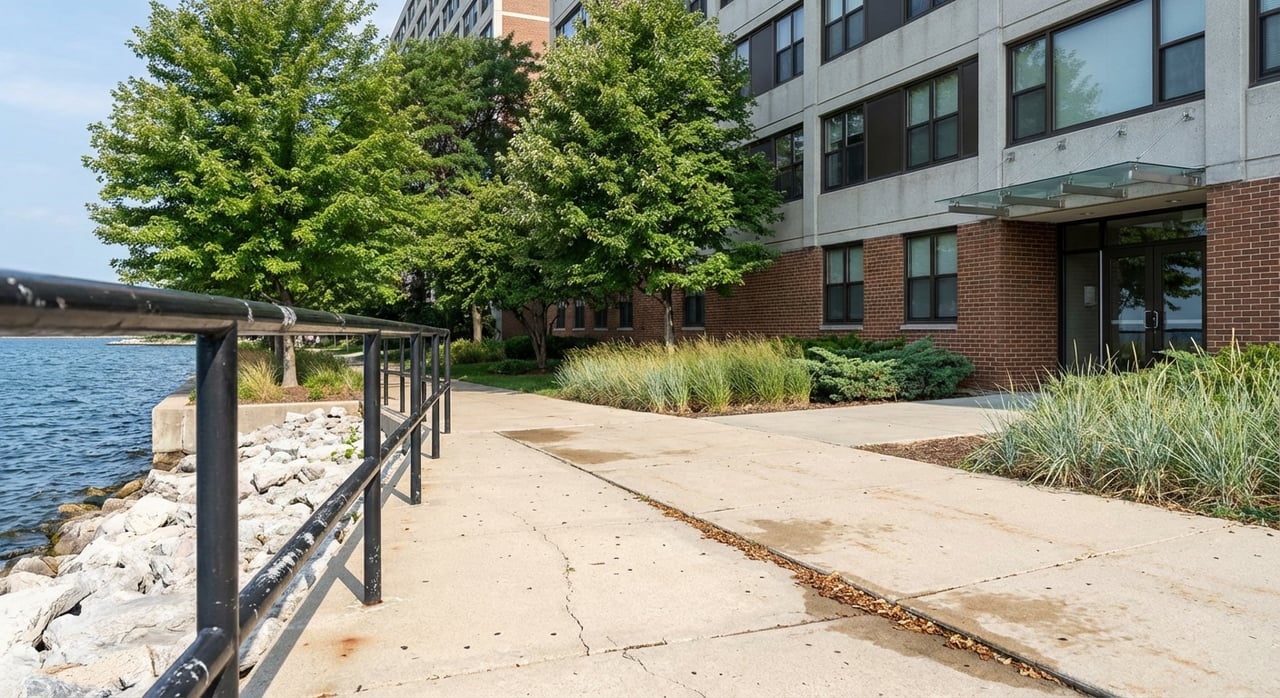
Dreaming of a simpler home by the water without giving up convenience, culture, or community? If you are right-sizing, Edgewater lets you trade yard work for lake views while staying connected to everything you need. In this guide, you will learn how the neighborhood lives day to day, what condo and co-op options look like, how HOA fees work, and the key steps to buy with confidence. Let’s dive in.
Why Edgewater works for downsizers
Lakefront access and parks
Edgewater sits along Lake Michigan with direct access to the city’s Lakefront Trail, a paved path for walking, biking, and taking in sunrise views. You are also near beaches and parks like Kathy Osterman (Hollywood) Beach and Berger Park, which offer seasonal swimming, green space, and calm spots to read or picnic. For details about trail access and facilities, review the Chicago Park District’s page for the Lakefront Trail. If you want dependable outdoor time without a long drive, this is a daily lifestyle upgrade.
Transit that keeps you connected
Multiple CTA Red Line stations serve Edgewater, including Granville, Thorndale, Bryn Mawr, and Berwyn. Recent CTA modernization delivered new, fully accessible stations, improving reliability and comfort for riders who depend on the 24-hour Red Line. See the CTA’s update on the Red and Purple Modernization project. Downtown commutes and citywide visits stay simple without daily car use.
Walkable daily life
Broadway anchors local shopping, services, and dining, with additional storefronts on Bryn Mawr and Clark. Many errands can be done on foot, a relief if you want to maintain an active routine and cut the cost and stress of multiple vehicles. This walkable structure is a strong fit for right-sizers who value convenience and a neighborhood feel.
Neighborhood fabric
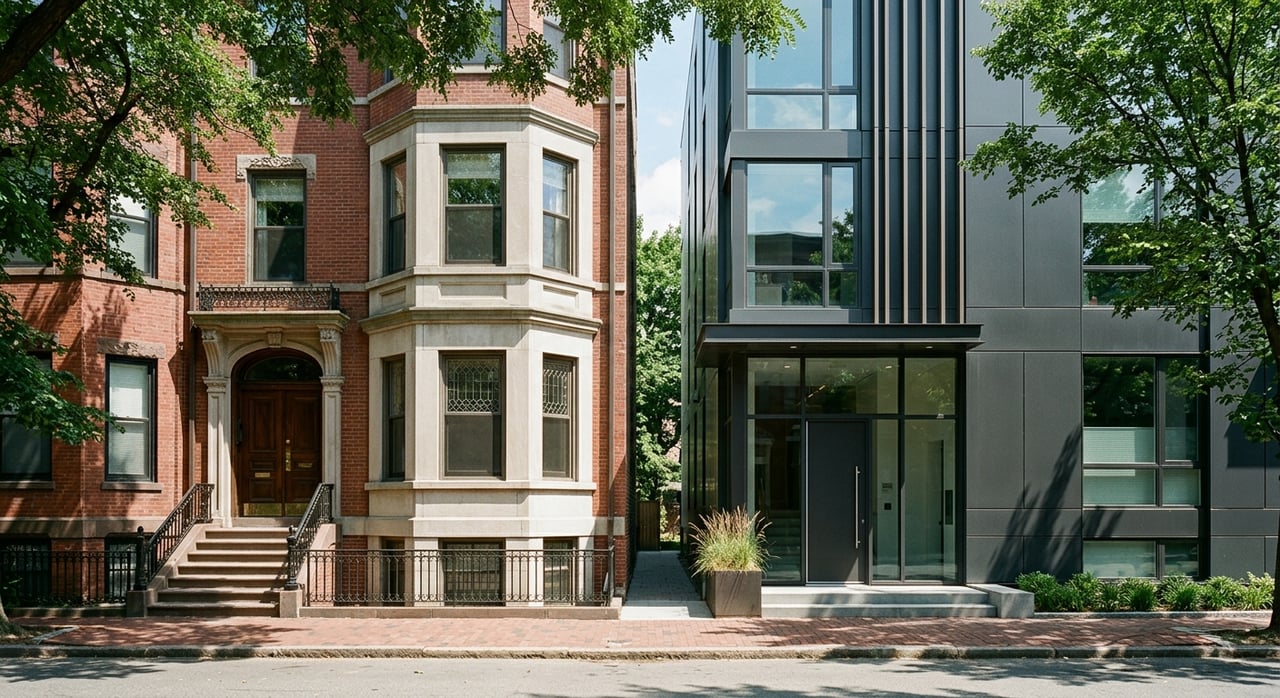
Edgewater mixes high-rise living on Sheridan Road and Lake Shore Drive with classic brick walk-ups, graystones, and quieter residential pockets. You will also be near Andersonville’s small-business district and community events. For a quick orientation and history, see Edgewater on Wikipedia.
What you will find on the market
Building types and where to look
- East of Broadway and along Sheridan Road: mid- to high-rise condo towers, many from the 1950s to 1970s, often with lake views and door staff. Notable communities you will hear about include Malibu East, El Lago, Tiara, and Edgewater Plaza.
- West of Broadway: brick walk-ups, smaller condo buildings, and pockets of single-family and graystones. These homes often trade larger floor plans for fewer amenities and lower monthly fees.
This variety lets you choose your tradeoffs: more space and privacy vs. more services and convenience.
Typical floor plans and features
Many downsizers target one-bedrooms around 600 to 900 square feet and two-bedrooms around 900 to 1,500 square feet or more. Look for features that make everyday life easier: in-unit laundry or same-floor laundry, well-organized closets and storage lockers, good natural light, elevator access, and a balcony or common sundeck for fresh air. These small choices have a big impact on comfort in a smaller home.
Amenities and monthly costs
High-rises along the lake commonly offer door staff, indoor pools and sundecks, fitness rooms, party or meeting rooms, on-site management, storage lockers, and valet or garage parking. These services reduce personal maintenance but raise monthly association dues. Fees vary widely by building age and service level. Some associations include heat, water, and master insurance, which can make fees look higher while lowering separate utility bills. Always review what is included so you compare apples to apples.
Condo vs co-op basics
- Condos: You own a deeded unit and pay monthly dues for shared services. Financing usually follows standard mortgage guidelines.
- Co-ops: You buy shares in a corporation and receive a proprietary lease. Boards may require more financial documentation, may restrict subletting, and financing is typically a share loan with different down payment norms.
These legal and financing differences can affect your approval timeline, resale liquidity, and monthly budget. For a plain-English overview, review this guide on co-op vs. condo differences.
Property taxes and exemptions
Cook County property taxes depend on assessed value, equalization, and your local tax rate. Seniors may qualify for exemptions or freezes that reduce the bill. If you are eligible, confirm how your unit type and association structure interact with exemptions so you model true ownership costs. To learn how Cook County taxes are calculated and what to ask, read this overview of Cook County property tax basics and exemptions.
Smart due diligence before you write an offer
Documents to request
Before you commit, ask for and review:
- Condominium declaration or co-op proprietary lease
- Current year budget and most recent reserve study or engineering reports
- Meeting minutes for the past 12 to 24 months
- Rules and regulations, pet and parking policies
- History of special assessments and the master insurance summary
In Illinois, associations must follow statutory procedures and disclosures. Get familiar with the Illinois Condominium Property Act so you know what to expect.
Association health checks
Look for a consistent reserve funding plan and clear communication about capital projects. Be cautious if you see repeated emergency special assessments, insurance gaps, or large projects without funds set aside. If there is a reserve study, ask whether the board follows it and request contractor estimates for planned work. Healthy buildings are transparent about timelines and costs.
Living costs to verify
- Utilities: Confirm which utilities are included in dues and which you pay separately.
- Parking: Ask whether spaces are deeded, rented, or on a waitlist and what each option costs.
- Storage: Note the exact locker or cage assigned to the unit.
- Move logistics: Many high-rises require scheduled move-in times and elevator reservations; plan ahead to avoid fees or delays.
Space planning that makes smaller feel bigger
Start with a floor plan
Measure your new rooms or get the building’s tier plan. Test-fit your bed, sofa, dining set, and a desk or reading chair. If you entertain, plan for flexible seating and a dining solution that expands for guests. If outdoor time is a priority, choose a home with a balcony or easy access to a common sundeck.
Furniture and storage strategies
- Choose multifunctional pieces like storage ottomans, nesting tables, and media cabinets with drawers.
- Use vertical space with wall shelving and closet systems.
- Keep circulation clear by floating fewer, right-sized pieces rather than crowding a room.
- Edit kitchen items to the essentials and add pull-out organizers to maximize cabinet space.
Accessibility and aging in place
If you expect changing mobility needs over time, focus on elevator buildings and step-free entries. Look for wider doorways, showers with low thresholds, and layouts that allow small updates without major renovations. Proximity to transit, pharmacies, and clinics adds everyday convenience.
Move timeline for low-stress downsizing
- 3 to 6 months out: Start decluttering and decide what to keep, donate, sell, or digitize. Photograph or scan keepsakes so you can save the memory without storing boxes.
- 1 to 2 months out: Get moving quotes, compare insurance coverage, and reserve your building’s elevator and loading dock. Order any custom storage solutions with lead time.
- 2 to 4 weeks out: Set up utilities, forward mail, update insurance, and confirm move-in with building management. Prepare a first-night kit with meds, chargers, bedding, and basic tools.
Sample monthly budget checklist
Use this quick list to estimate your monthly costs and avoid surprises:
- Mortgage or co-op share loan
- HOA or maintenance fees
- Electric, internet, and cable or streaming
- Parking fees or permits
- Property taxes and any exemptions applied
- Planned funding for capital projects or special assessments
- HO-6 or co-op contents insurance
- Transit passes or rideshare budget
Your Edgewater next step
Downsizing is a smart move when it aligns with your lifestyle, budget, and long-term plans. Edgewater gives you lakefront living, strong transit, and a mix of buildings that fit different needs. If you want a data-driven path to the right home, with clear tradeoffs and a low-stress process, connect with DeMarcus Hunter to map your options and see real listings that match your goals.
FAQs
Is Edgewater a good place to downsize if I want lake access?
- Yes. Edgewater borders Lake Michigan and connects directly to the city’s Lakefront Trail, with nearby beaches and parks for daily recreation.
How reliable is public transit in Edgewater for downsizers who do not want to drive?
- The CTA Red Line serves the neighborhood with multiple stations, and recent modernization work improved accessibility and service.
What is the difference between a condo and a co-op in Chicago?
- Condos are deeded units with standard mortgages; co-ops are shares in a corporation with a proprietary lease and different approval and financing rules. Learn more in this co-op vs. condo overview.
How much are HOA fees in Edgewater high-rises?
- Fees vary widely based on building age and services. Full-service towers with door staff and pools cost more, while smaller buildings may be lower. Always compare what utilities and insurance are included.
Do Chicago seniors receive property tax relief on condos or co-ops?
- Many seniors qualify for exemptions or freezes that reduce property taxes. Review Cook County’s process and options in this property tax guide.
What due diligence should I do before offering on an Edgewater condo or co-op?
- Request the declaration or proprietary lease, budget, reserve study, recent minutes, rules, and insurance summary. Understand Illinois requirements using the Illinois Condominium Property Act.