If you want your next move to mean more than just a change of address, Oak Park gives you a lot to think about. For many buyers, homeownership here is not only about finding enough space or the right layout. It is about putting down roots in a stable community, creating options for family over time, and making a smart long-term investment. This guide will walk you through how homeownership in Oak Park can support a lasting legacy, from property types and historic rules to local flexibility and homeowner resources. Let’s dive in.
Why Oak Park Supports Long-Term Ownership
Oak Park has many of the markers buyers often look for when they are thinking beyond the next few years. The village covers 4.7 square miles and had an estimated population of 52,823 in July 2025. Census QuickFacts also show a 60.0% owner-occupied housing rate and that 86.9% of residents were living in the same home one year earlier, which points to a relatively stable ownership base.
That stability matters if your goal is to build something durable. Whether you are buying your first home, planning for multigenerational living, or thinking about long-term equity, a market with an established owner base can offer a strong foundation. In Oak Park, that foundation is paired with existing infrastructure and ongoing reinvestment in housing.
The local housing stock also gives you more than one path into ownership. According to a February 2026 village memo based on 2024 Cook County Clerk sales data, Oak Park recorded 1,145 combined condo and single-family sales. Those sales were split roughly 40% condos and 60% single-family homes, with median sale prices of $191,000 for condos and $560,000 for single-family homes.
That price spread is important because legacy building does not look the same for every household. For some buyers, a condo can be the first step into ownership and equity growth. For others, a single-family home may offer the extra room and flexibility needed to support family goals over a longer timeline.
Legacy Looks Different for Every Buyer
When people hear the word legacy, they often think only about passing a property down one day. That can be part of it, but legacy through homeownership can start much sooner. It can mean creating housing stability, building equity, planning for changing household needs, and choosing a home that can adapt with you.
Oak Park is especially relevant for that kind of planning because it is a mature, built-out community. The village describes it that way on its Housing Trust Fund page, which also notes reinvestment potential across the housing stock. In practice, that means many buyers are not just purchasing space. They are stepping into a community where stewardship, upkeep, and thoughtful improvements matter.
Oak Park also had 5,341 affordable units in a 2023 Illinois Housing Development Authority analysis, representing 23.4% of all housing in the village. That does not mean every home is inexpensive, but it does show a housing landscape with a mix of options and an ongoing public focus on preservation and access.
Choosing the Right Oak Park Property Type
The best property for your legacy plan depends on what you want your home to do over time. In Oak Park, condos and single-family homes serve different needs, and both can make sense depending on your starting point.
Condos for a Lower Entry Point
With a 2024 median sale price of $191,000, condos may appeal to buyers who want to enter the Oak Park market at a lower price point. This can be a practical route if your main goal is to begin building equity while keeping maintenance responsibilities more manageable.
A condo may also fit if you value proximity to transit and community amenities and do not need the same level of expansion potential as a detached home. If legacy for you starts with ownership discipline and a strategic first purchase, a condo can be a strong first chapter.
Single-Family Homes for Flexibility
Single-family homes had a 2024 median sale price of $560,000 in Oak Park, according to the village memo. While the price point is higher, these properties often offer more room to adapt over time.
That flexibility can matter if you are thinking about future household changes, workspace needs, or adding an accessory dwelling unit where zoning allows. If you want a property that can support multiple life stages, a single-family home may offer more ways to grow into the space.
ADUs Can Expand Your Legacy Plan
One of the most useful local tools for long-term planning in Oak Park is the accessory dwelling unit, or ADU. Oak Park zoning allows ADUs on single-family residential properties, and the village specifically describes them as options for young families, age-in-place retirement, rental income, a studio, adult children, or a supportive healthcare worker.
That is a meaningful level of flexibility for buyers who want a home to do more than serve one fixed purpose. An ADU can create a separate living space for extended family, offer room for changing care needs, or support income planning over time. It can also make a property more adaptable without requiring you to leave the neighborhood you chose.
There are clear rules, though, and those rules matter. Under the zoning ordinance, only one ADU is allowed per zoning lot, and either the main dwelling or the ADU must be owner-occupied. No additional parking is required, but attached and detached units must still meet size and location standards.
Coach houses are allowed on single-family lots of at least 6,500 square feet. Attached units must be smaller than the principal dwelling. If the property sits in a historic preservation district, the project also goes through the historic preservation review process.
Historic Character Is Part of the Equation
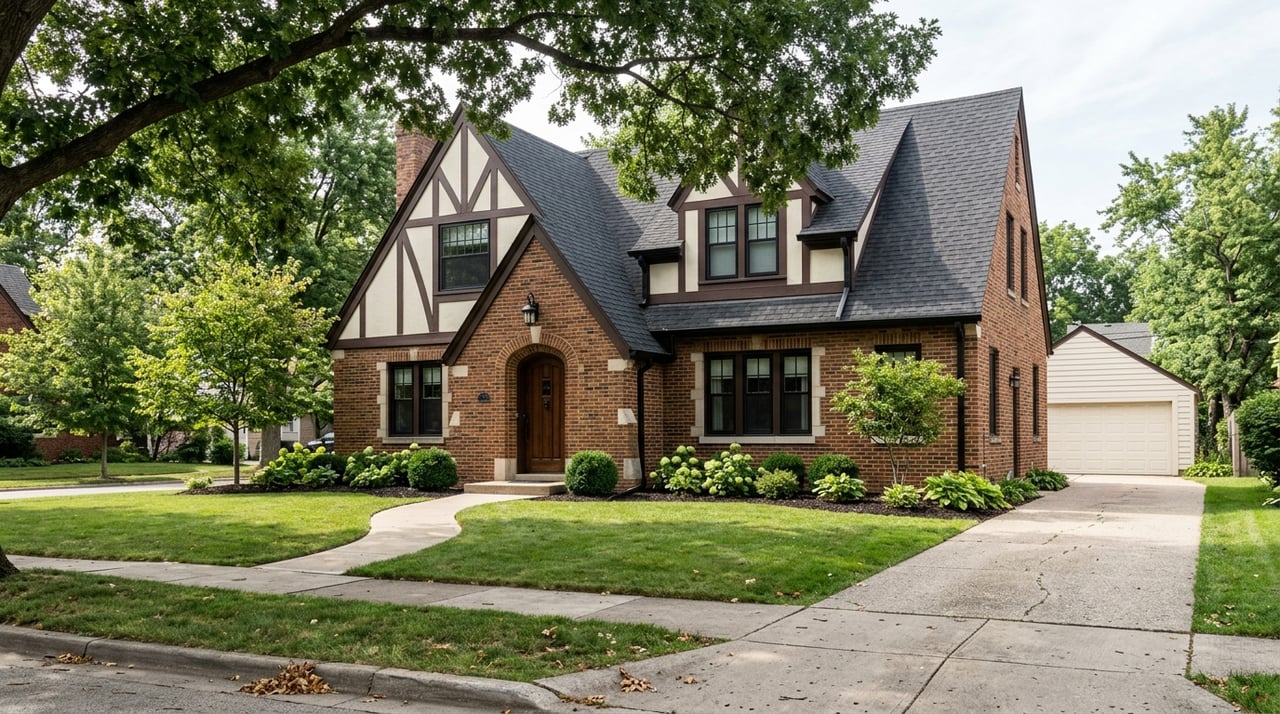
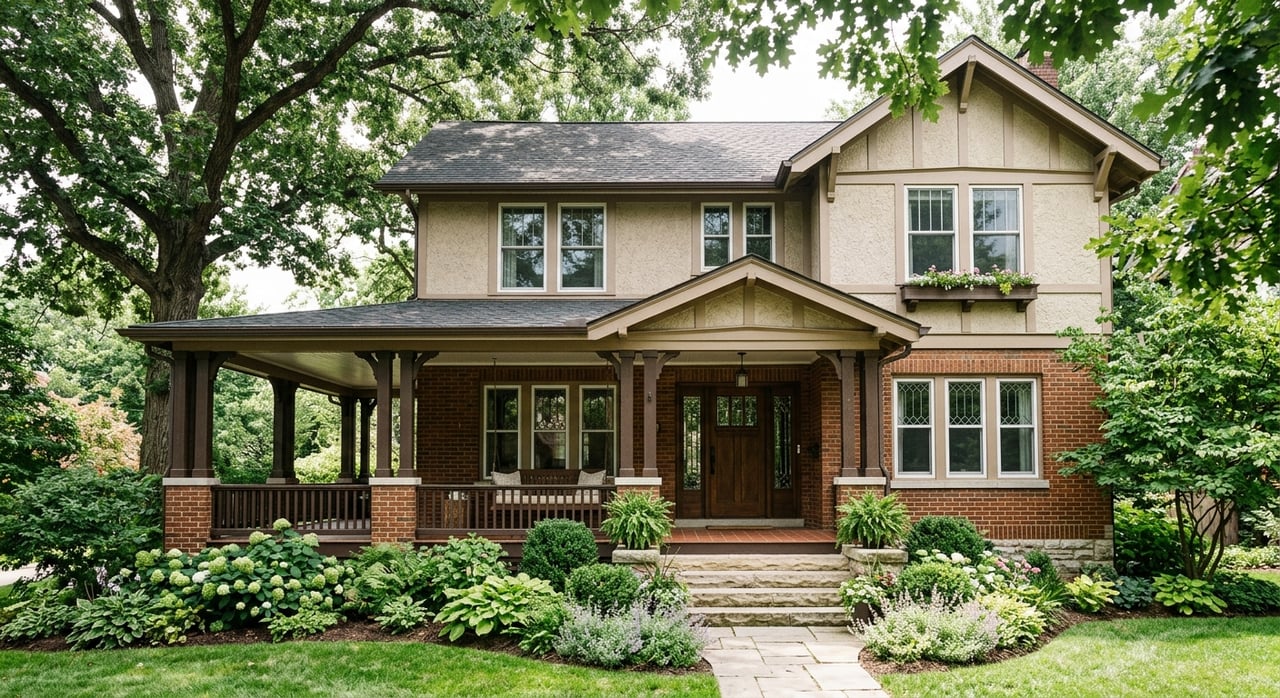
In Oak Park, preservation is not a side issue. It is part of how the village functions and part of what gives the housing stock its identity. The village has three historic districts and more than 70 locally designated historic landmarks, and about one-third of Oak Park falls within those historic districts.
The village also identifies Oak Park as home to the largest concentration of Prairie School architecture in America, including 25 Frank Lloyd Wright designs. For buyers who value architectural character and neighborhood continuity, that can be a major draw. It also means you should go into a purchase with a clear understanding of what stewardship may require.
What Historic Review Can Affect
If you buy in a historic district or purchase a designated landmark, the Historic Preservation Commission reviews building permits for:
- Exterior alterations
- Additions
- New construction
- Full demolition
- Partial demolition
This does not mean you cannot improve the property. It means changes are reviewed through a local preservation lens. If your long-term plan includes an addition, exterior redesign, or a coach house, it is smart to understand that process early.
Why This Matters for Legacy Buyers
Legacy-minded ownership is often about balancing personal goals with long-term stewardship. In Oak Park, the village’s historic resources database can help you research a property’s construction date, architect, builder, architectural style, and significant owners.
That kind of context can be useful if you want to understand not just what you are buying today, but what responsibilities and opportunities may come with it over time. For some buyers, that history adds meaning. For others, it shapes the budget, timeline, and scope of future improvements.
Flexible In-Home Use Matters Too
A long-term home plan is not only about bedrooms and square footage. It is also about whether the property can support the way you live and work. Oak Park allows home occupations as accessory uses, provided they remain secondary to the residential use and do not change the character of the dwelling.
The zoning ordinance generally limits these uses to 25% of the heated floor area. Office or service-related businesses are limited to one client at a time. If you work from home or run a small service-based operation, that framework may give you useful flexibility while preserving the residential feel of the property.
This matters because many buyers now want a home that can carry more than one function. If your legacy plan includes entrepreneurship, consulting, or simply a more permanent work-from-home setup, local zoning rules help define what is realistic before you buy.
Renting Part of Your Home Has Rules
Some buyers look at homeownership as a way to create future income, but in Oak Park, rental use is regulated and should be treated carefully. The village states that all owners of rental housing must obtain a license. The code also sets occupancy limits based on unit size, and the lease must state the maximum number of occupants.
Short-term rentals are regulated separately. They must be licensed as businesses, inspected, and display the license at the unit entrance. If part of your ownership strategy involves renting a portion of the property, it is important to plan around the village’s actual requirements instead of assumptions.
That local framework is especially important if you are evaluating an ADU or a flexible single-family property. Income potential can be part of a legacy strategy, but the details matter. A process-driven approach can help you separate what is possible from what only sounds possible.
Oak Park’s Infrastructure Adds Staying Power
A home’s long-term value is shaped by more than the house itself. Oak Park offers a broad set of community systems that can support everyday life over many years. The village is served by CTA Blue and Green rail lines, CTA bus routes 72, 86, 90, and 91, Pace routes, and Metra’s Union Pacific West Line.
For buyers who want flexibility in how they move around the region, that transportation mix is a real asset. It can support commuting, car-light living, and long-term convenience, all of which can affect how well a home fits your life over time.
The village also notes that Oak Park has 10 public elementary schools and is served by Elementary School District 97 and High School District 200. Oak Park Public Library operates three ADA-compliant locations, and the Park District of Oak Park serves more than 53,000 residents with 18 parks totaling 84 acres, seven neighborhood recreation centers, Dole Center active adult programming, and several historic properties.
These are the kinds of public assets that can reinforce long-term livability. If you are thinking in decades rather than just seasons, community infrastructure should be part of the equation.
Local Programs Can Support Ownership Over Time
Legacy building is easier when you know what support systems exist after closing. Oak Park has a layered homeowner-support ecosystem that includes programs for repairs, rehabilitation, and housing stability.
The village lists programs such as:
- Single-Family Rehabilitation Loans & Grants
- Lead Paint Abatement
- Lead Water Service Replacement
- Senior Home Repair Assistance
- Sewer Backup Protection
These programs may be especially relevant if you are buying an older home and planning phased improvements. They also fit the reality of Oak Park as a built-out community where long-term ownership often includes thoughtful upkeep and reinvestment.
The village’s 2026 homeownership memo also discusses homebuyer education, down-payment assistance, and Mortgage Credit Certificates as tools that can support ownership. If you are entering the market for the first time, or trying to preserve more cash for future upgrades, these kinds of supports are worth factoring into your planning process.
A Smart Legacy Plan Starts Before You Buy
In a market like Oak Park, building a legacy through homeownership works best when you define your strategy before you fall in love with a listing. You want to know what type of property fits your budget, how much flexibility you need, and whether your long-term vision involves preservation, rental use, multigenerational living, or all three.
A clear plan can help you answer practical questions like these:
- Do you want a lower-cost entry through a condo, or flexibility through a single-family home?
- Is an ADU part of your long-term plan?
- Would historic district rules affect your renovation goals?
- Do you need space for a home occupation?
- Are local homeowner support programs relevant to your budget or renovation timeline?
That kind of planning is where data and local knowledge make a difference. Oak Park offers real opportunity, but the right move depends on how the property, the rules, and your goals fit together.
If you are thinking about buying in Oak Park with a long view in mind, working with an advisor who can help you evaluate both the emotional and practical sides of the decision matters. When you are ready to build a thoughtful ownership strategy, connect with DeMarcus Hunter for a clear, data-driven conversation about your next move.
FAQs
What does legacy-focused homeownership in Oak Park mean?
- It means using homeownership to create long-term stability, equity, and flexibility for your future, whether that involves staying put, supporting family needs, or planning for adaptable use over time.
Which Oak Park property type may work best for multigenerational living?
- A single-family home may offer more flexibility because Oak Park allows ADUs on single-family residential properties, subject to zoning rules, owner-occupancy requirements, and in some cases historic review.
How do historic district rules affect Oak Park home projects?
- In Oak Park historic districts and for designated landmarks, the Historic Preservation Commission reviews permits for exterior alterations, additions, new construction, and full or partial demolition.
Can you build a coach house or ADU in Oak Park?
- Yes, Oak Park allows ADUs on single-family residential properties, and coach houses are permitted on single-family lots of at least 6,500 square feet, as long as zoning and any applicable historic preservation requirements are met.
What are the rental rules for Oak Park homeowners?
- Oak Park requires owners of rental housing to obtain a license, sets occupancy limits based on unit size, and requires leases to state the maximum number of occupants. Short-term rentals must also be licensed, inspected, and display the license at the unit entrance.
Are there homeowner support programs available in Oak Park?
- Yes, the village lists programs including Single-Family Rehabilitation Loans & Grants, Lead Paint Abatement, Lead Water Service Replacement, Senior Home Repair Assistance, and Sewer Backup Protection, along with homebuyer education and other ownership support tools discussed in the 2026 village memo.