Thinking about trading Chicago density for more space in the south suburbs? If Homewood-Flossmoor is on your shortlist, the biggest change is not just distance from the city. It is how your day-to-day life, housing options, and commute patterns may shift. This guide walks you through the key differences so you can decide whether a move from Chicago to Homewood-Flossmoor fits your goals. Let’s dive in.
Housing Feels Bigger Here
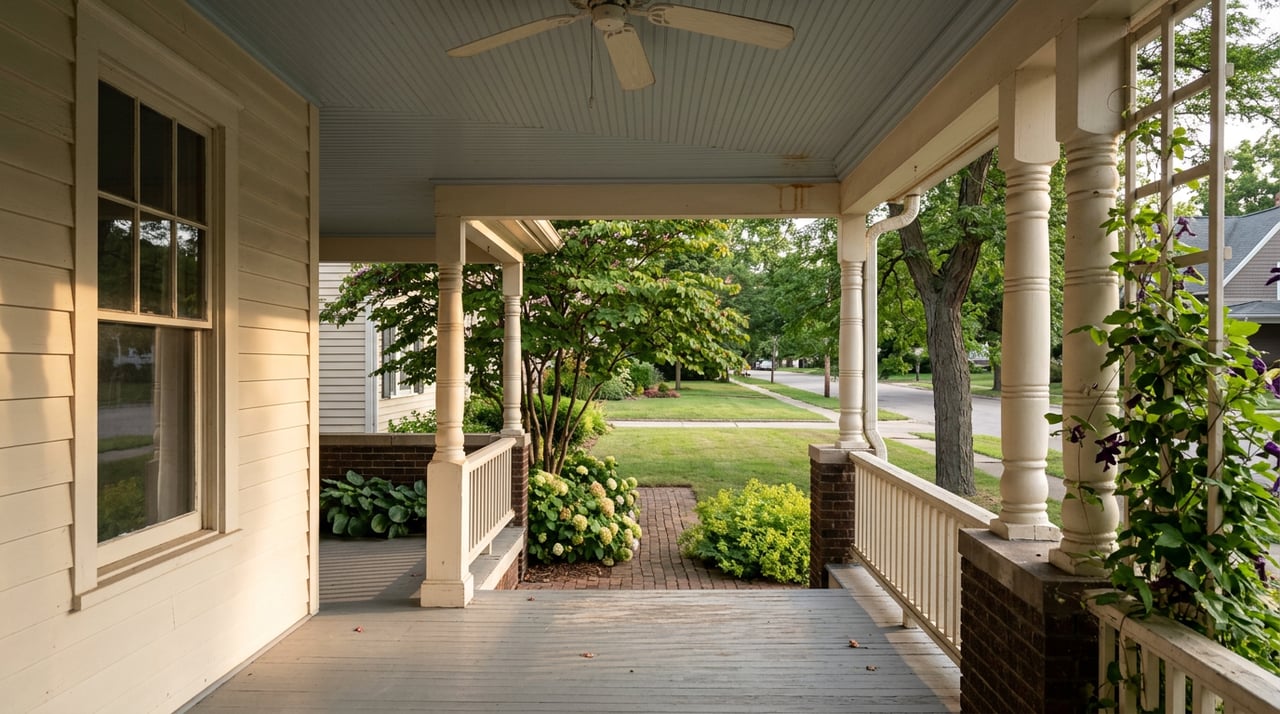
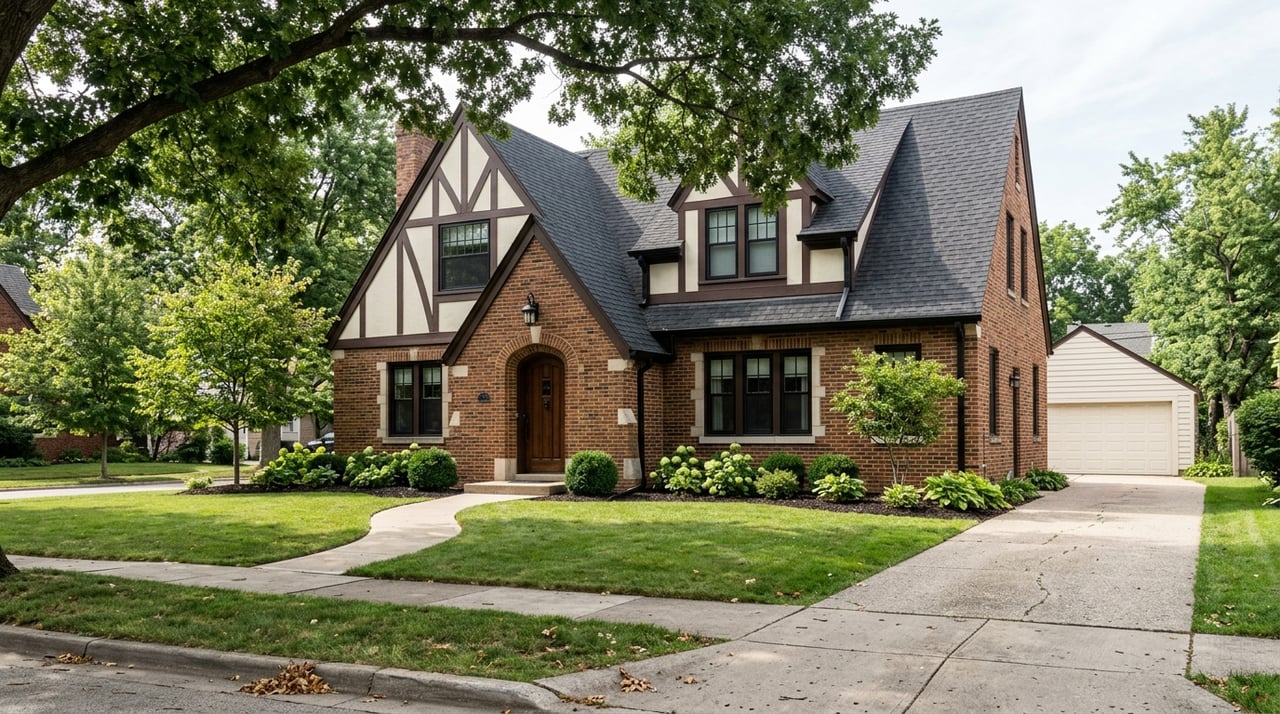
If you are moving from Chicago, one of the first things you will notice is the housing scale. In Homewood, 79.5% of housing units are in one-unit structures, and in Flossmoor, 84.7% of the housing stock is single-family detached homes. That points to a more suburban setup with more yard space, more separation between homes, and a different rhythm than a dense city block.
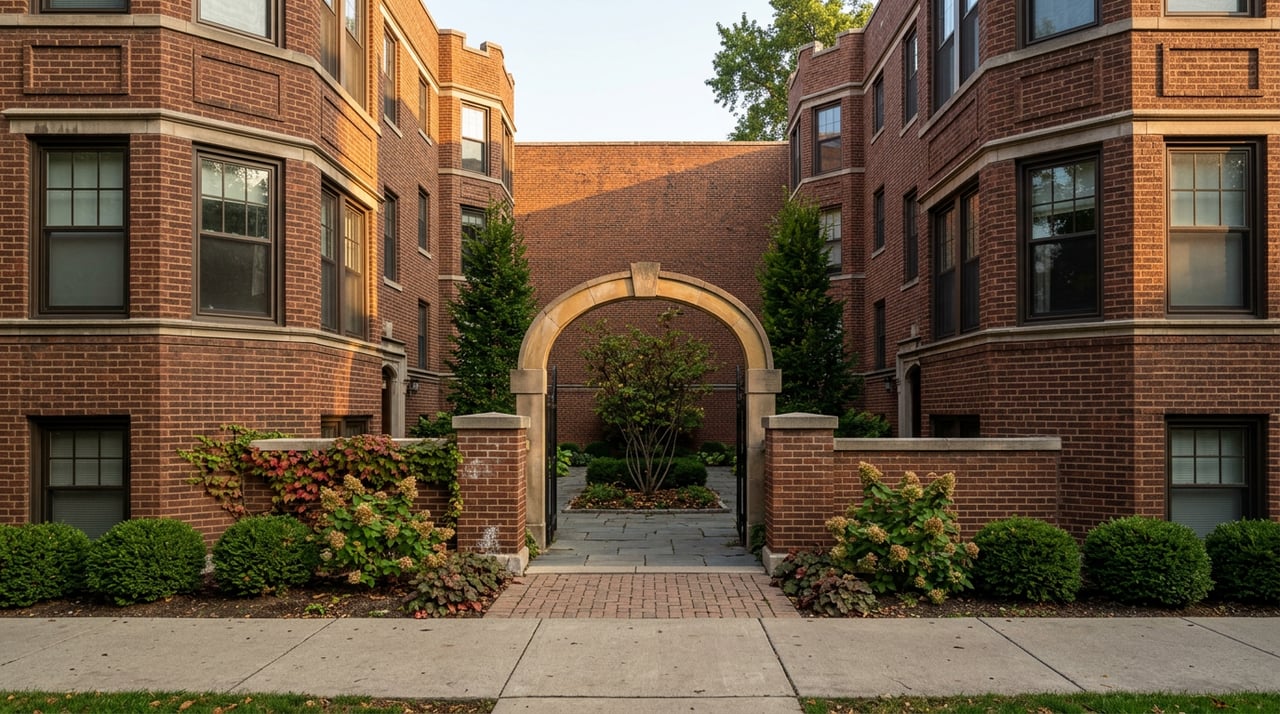
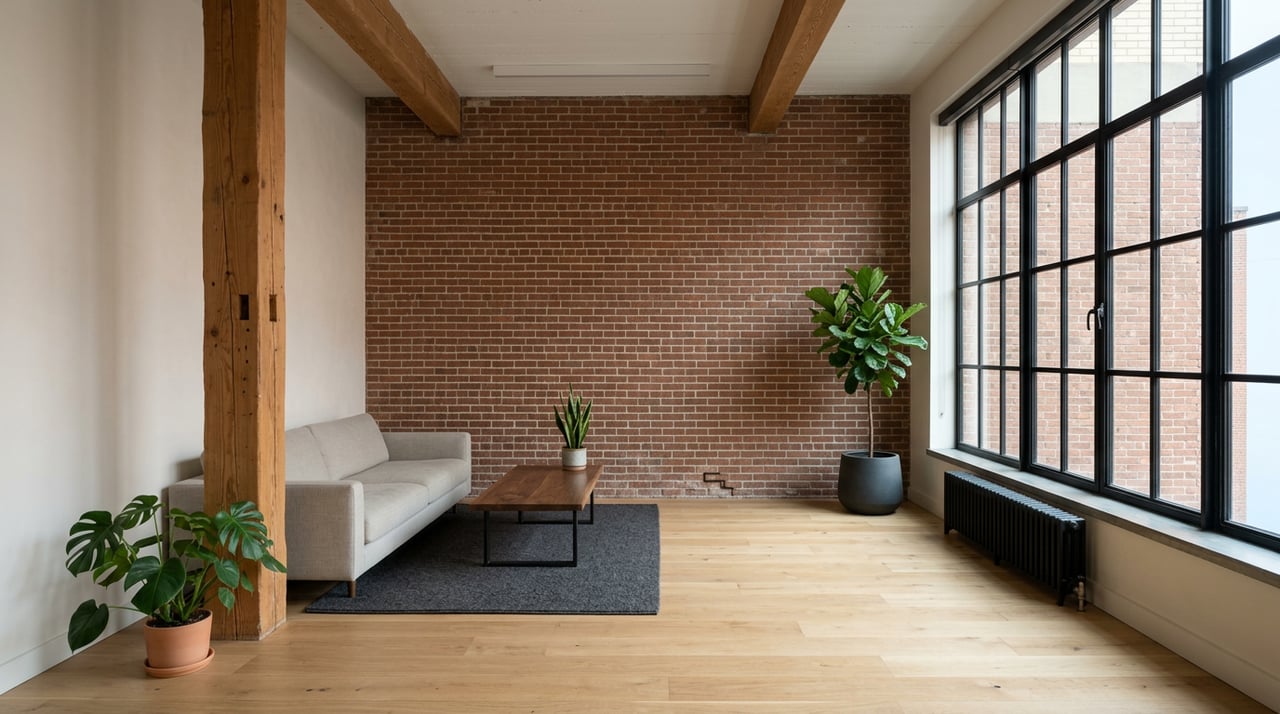
That change can be exciting, but it also comes with tradeoffs. You may gain a driveway, garage, or larger lot, but you may also take on more exterior maintenance, snow removal, and yard care. If you are used to condo living or apartment life in Chicago, that is an important lifestyle shift to plan for.
Homewood vs. Flossmoor Housing
While Homewood and Flossmoor are often grouped together, their housing profiles are not identical. According to the Homewood housing profile, Homewood has a median owner-occupied home value of $210,500, while Flossmoor’s median owner-occupied value is $309,100. That gives you a useful starting point if you are comparing budget, home size, and long-term goals.
Homewood is also the more mixed-tenure market. It has 79.4% owner occupancy and 20.6% renter-occupied units, with a median gross rent of $1,422, based on CMAP community data. Flossmoor trends more heavily toward owner occupancy at 95.9%, which can influence the types of homes you see and the overall housing mix.
Home Size Matters
The home size gap is worth paying attention to. In Homewood, 27.3% of homes report four bedrooms and 3.2% report five or more bedrooms. In Flossmoor, 40.0% of homes report four bedrooms and 11.4% report five or more, with a median of 7.9 rooms.
In practical terms, Flossmoor generally skews toward larger detached homes. If you are relocating because you want more rooms, more storage, or space for a home office, that may shape which side of the Homewood-Flossmoor area you focus on.
Lot Sizes Change Daily Life
For many Chicago buyers, lot size is where suburban living becomes real. Homewood’s planning materials show R-1 lot standards of 10,400 square feet with 80 feet of width, R-2 standards of 8,100 square feet with 60 feet of width, and R-3 standards of 4,300 square feet per dwelling unit with 60 feet of width. You can review Homewood zoning and planning materials for property-specific details.
This matters if you are thinking about outdoor living, additions, garages, or simply how much upkeep you want. In Chicago, you may be comparing units within a building. In Homewood-Flossmoor, you are often comparing house size, lot size, and the time and cost that come with maintaining both.
The Commute Is Rail-Friendly, Not Rail-Only
A move to Homewood-Flossmoor does not mean giving up train access. Both communities are served by Metra Electric Zone 3 stations. The Homewood Metra station at Harwood Avenue and Ridge Road is accessible, has 518 parking spaces, and connects to Pace routes 356 and 359. Flossmoor station is also accessible and has 275 parking spaces.
That said, daily life here is still more car-aware than a transit-only Chicago lifestyle. CMAP data show that 62.6% of Homewood residents drive alone to work, while 11.3% use transit, and the mean commute time is 31.6 minutes. In Flossmoor, 45.4% drive alone, 14.5% use transit, 33.7% work from home, and the mean commute time is 38.4 minutes.
Plan for a Hybrid Routine
If you work downtown a few days a week, the rail access can be a major plus. But if you are used to doing nearly everything on foot or by CTA, you will want to think beyond the train schedule. Grocery runs, errands, school drop-offs, appointments, and weekend activities may be more car-supported than what you are used to in the city.
That does not make the move better or worse. It simply means your planning should include parking, car use, and how often you want to rely on transit versus driving.
Car Ownership Becomes More Relevant
Vehicle data reinforces that lifestyle change. In Homewood, 41.2% of occupied households have two vehicles and 14.7% have three or more. In Flossmoor, 59.6% have two vehicles and 15.9% have three or more, according to CMAP’s local data.
For a Chicago mover, this is one of the most practical decision points. If your household currently shares one car or has none, think about whether that setup still works in a suburb where homes are larger, parking is more available, and errands may be more spread out.
Downtown Life Looks Different
If you are worried that suburban living means giving up local character, Homewood and Flossmoor both offer defined town centers. Homewood has a regular community rhythm, including the Outdoor Farmers Market in Martin Square, plus recurring events such as the Art & Garden Street Fair, Fall Fest, Pride, Holiday Lights, and the 4th of July.
Flossmoor also has a walkable downtown retail area near the railroad station, along with Flossmoor Commons. The village’s official shopping guide highlights local shops and restaurants in its historic downtown core. That gives both communities more of a small-town center feel than a purely residential commuter suburb.
Expect a Different Kind of Convenience
The convenience here is not the same as stepping outside your Chicago apartment and having everything on the next block. Instead, it is a mix of local downtown destinations, event calendars, public parking, and home-centered living. For many buyers, that feels calmer and more spacious. For others, it takes some adjustment.
The key is to picture your actual routine. Think about how often you want walkability, how much space you need at home, and whether you want your lifestyle centered more around your house than around a dense urban corridor.
How to Decide Between Homewood and Flossmoor
For many Chicago-area movers, the choice comes down to priorities. Homewood generally offers a more mixed housing profile and lower median home values. Flossmoor generally trends toward larger detached homes, higher owner occupancy, and higher median home values.
Here is a simple way to frame it:
- Choose Homewood if you want a suburban setting with rail access and a somewhat broader mix of price points and housing arrangements.
- Choose Flossmoor if you are leaning toward larger detached homes and a more heavily owner-occupied housing profile.
- Consider both if your top goals are more space, access to Metra, and a shift away from Chicago density.
Neither community should be viewed as a fully urban, walk-everywhere environment. Both are better understood as rail-connected suburbs where space, lot size, and car-supported living play a bigger role in daily life.
What Chicago Buyers Should Think Through First
Before you make the move, focus on a few practical questions:
- How much home and yard space do you actually want?
- How often will you commute, and by train or by car?
- Do you want a more mixed housing market or a more detached-home-oriented one?
- Are you comfortable with the maintenance that comes with larger homes and lots?
- How important is a small downtown feel versus big-city convenience?
When you answer those questions honestly, the right fit usually becomes much clearer.
A move from Chicago to Homewood-Flossmoor can offer more space, a different pace, and continued rail access, but the best decision comes from matching the data to your real lifestyle. If you want help comparing neighborhoods, commute patterns, and housing options with a clear strategy, connect with DeMarcus Hunter to book a consultation.
FAQs
What is the biggest lifestyle change when relocating from Chicago to Homewood-Flossmoor?
- The biggest change is usually moving from dense city living to a more suburban lifestyle with larger homes, more yard space, and more car-supported daily routines.
How do Homewood and Flossmoor home prices compare for Chicago buyers?
- Based on the housing profile in the research report, Homewood has a median owner-occupied home value of $210,500, while Flossmoor’s median owner-occupied value is $309,100.
Is Homewood-Flossmoor a good option for Metra commuters to Chicago?
- Both communities have accessible Metra Electric Zone 3 stations, but daily life is still more car-aware than transit-only, so many households balance train use with driving.
What kinds of homes are most common in Homewood and Flossmoor?
- Both communities are dominated by one-unit or detached single-family homes, with Flossmoor generally skewing more toward larger detached homes.
Should Chicago movers expect to need more than one car in Homewood-Flossmoor?
- Many households in both communities have two or more vehicles, so if you currently live car-light in Chicago, it is smart to think through whether that setup will still fit your routine after the move.