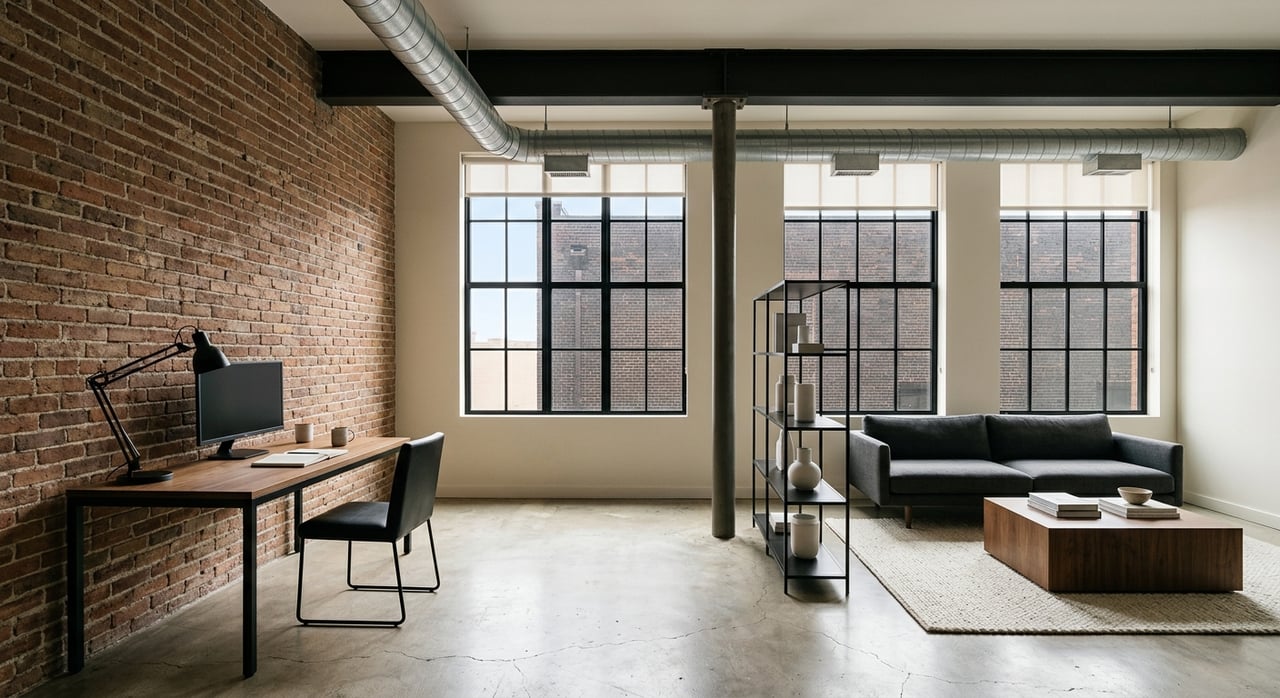
Need a home that can also support your creative work or business goals? In West Loop, that idea can feel especially realistic because many loft buildings were shaped by the neighborhood’s industrial past and adapted for modern living. If you are looking for a space that can handle both daily life and focused work, this guide will help you think through what matters most before you buy. Let’s dive in.
Why West Loop fits live-work living
West Loop stands out because it blends older industrial character with modern residential and commercial reuse. The neighborhood evolved from a meatpacking and warehouse district into one of Chicago’s most active dining and adaptive-reuse areas, with places like Randolph Street’s Restaurant Row and Fulton Market helping define the local energy.
That history matters when you are shopping for a live-work loft. Buildings that once supported industrial or wholesale uses often have the kind of scale, layout, and character that creators and entrepreneurs want today. You get a neighborhood where the built environment already supports flexible ways of using space.
What makes a loft useful for work
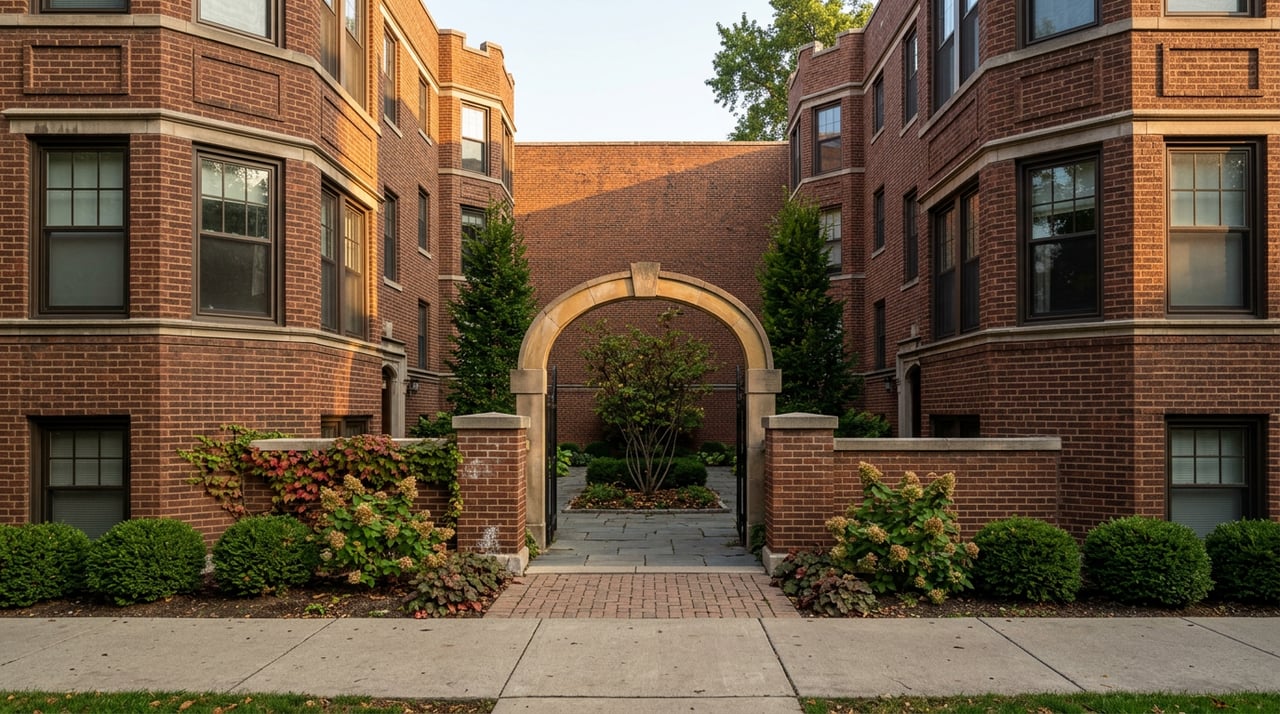
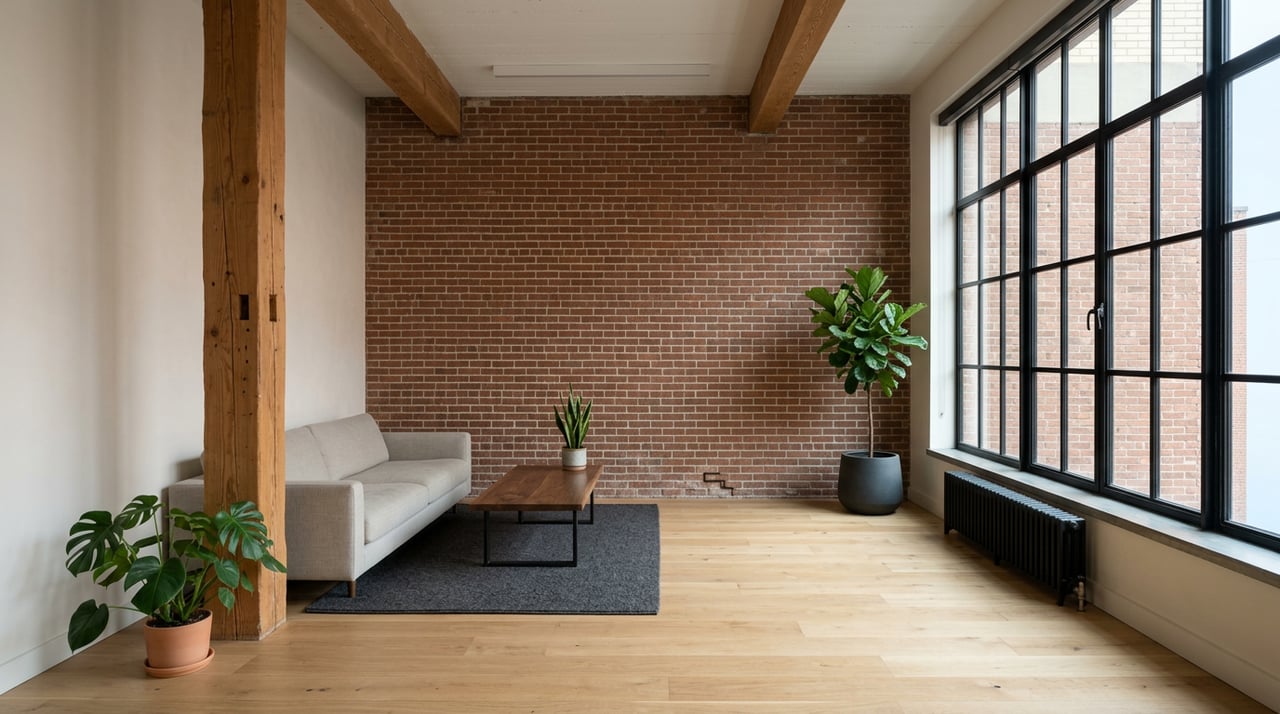
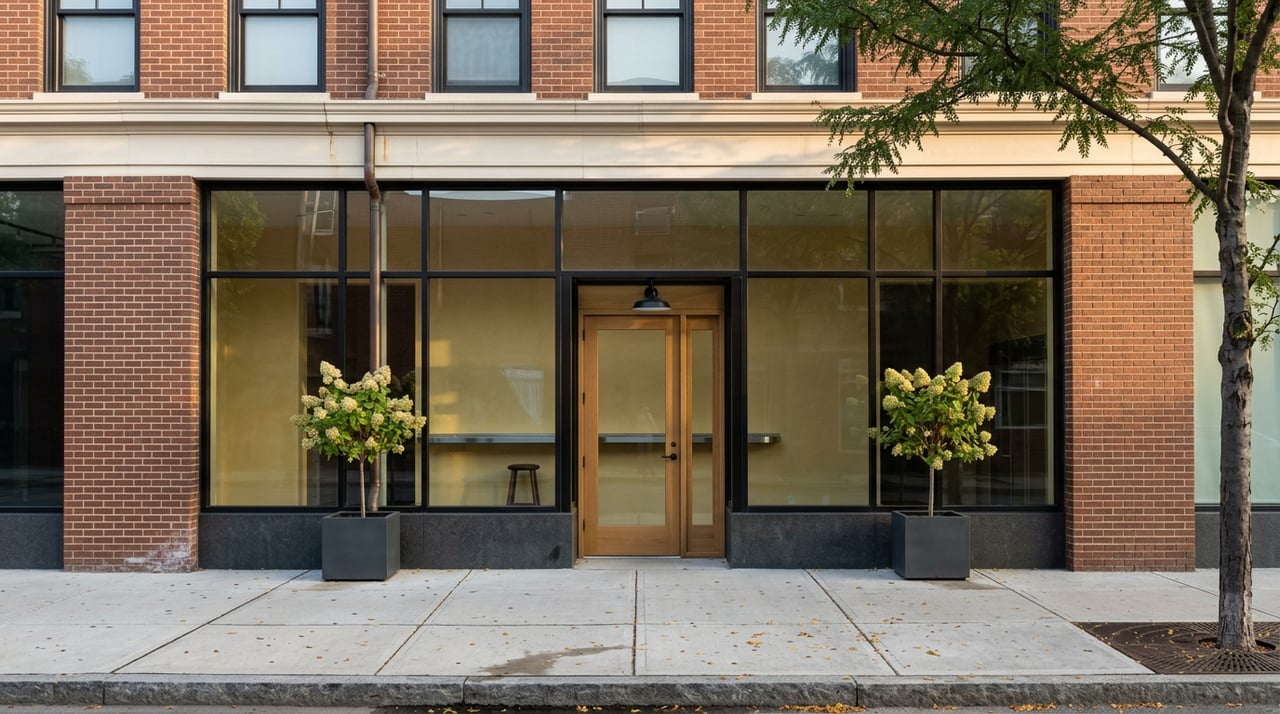
Many industrial lofts in West Loop share a few core features: brick exteriors, large windows, open floor plans, and tall ceilings that often range from 10 to 14 feet. Those details do more than look good in listing photos. They can make a space feel brighter, more flexible, and easier to tailor to different work styles.
If you are an artist, designer, consultant, or founder running a small operation, that flexibility can be a real advantage. Open layouts can give you room for a desk area, meeting table, studio zone, or storage setup without making the home feel cramped.
Still, open space is not always effortless space. Large rooms with fewer interior walls can make privacy, acoustics, and visual separation more important. During a showing, it helps to think beyond aesthetics and ask how the loft would actually function on a busy weekday.
Key loft features to assess
When you tour West Loop lofts, focus on how the space performs, not just how it photographs. A beautiful unit still needs to support your daily routine.
Look closely at:
- Natural light throughout the day
- Noise transfer within the unit
- Ceiling height and usable wall space
- Layout flexibility for work and living zones
- Storage for supplies, inventory, or equipment
- HVAC performance for long workdays
- Internet setup and where equipment can go
- Bathroom count if clients or collaborators may visit
Zoning matters more than style
One of the biggest mistakes buyers can make is assuming a loft is automatically suitable for live-work use because it looks the part. In Chicago, zoning is tied to the specific address or PIN, so neighborhood-wide assumptions are not enough. A building in West Loop may appear ideal for working from home, but the exact parcel rules still control what is allowed.
That is especially important in planned developments, where permitted live/work arrangements can be defined very specifically. In one Chicago planned development, business live/work units combine commercial and residential space for the owner household and may require a valid business license where applicable. That same framework may allow certain uses, such as artist studios, art galleries, software design offices, and architectural design offices, while not treating every business type the same way.
The practical takeaway is simple: the right loft depends on both the space and the rules tied to that address. Before you fall in love with a unit, confirm whether the intended use aligns with the parcel’s zoning, any planned development language, and the kind of business activity you expect to have there.
Questions to ask before you buy
If you are serious about a live-work loft, ask targeted questions early. That can save time and help you avoid buying a space that only partly fits your needs.
Consider these questions:
- Can your work area be separated enough for privacy?
- Will the unit still feel comfortable as a home after business hours?
- Does the building setup support your daily operations?
- Does the zoning for that exact address support your intended use?
- If your business changes, will the loft still work as a standard residence?
Everyday convenience in West Loop
A strong live-work setup is not only about the unit itself. The neighborhood also needs to support your routine, especially if you split time between home, client meetings, and travel across the city.
West Loop offers several useful transit connections. Morgan station at 958 W Lake Street serves the Green and Pink Lines, while Ogilvie Transportation Center at 500 W Madison and Union Station at 210 South Canal add commuter rail and CTA access. For many buyers, that mix can make it easier to manage meetings downtown or move around the region without depending entirely on a car.
The neighborhood also supports the social side of work. West Loop includes Restaurant Row on Randolph Street, Greektown, and the warehouse-converted dining scene in Fulton Market. If part of your business or creative life involves informal meetings, client dinners, or collaborative catch-ups, that local concentration of hospitality can be a practical benefit.
How to evaluate a loft like an operator
Buying a live-work loft is easier when you evaluate it with a simple framework. Instead of asking only whether the unit feels exciting, ask whether it supports how you actually live and work.
A useful way to think about it is to score each property on three levels: legal fit, functional fit, and long-term flexibility. If one of those breaks down, the loft may not be the right match even if the finishes are attractive.
| Area to Evaluate | What to Look For | Why It Matters |
|---|---|---|
| Legal fit | Address-specific zoning and any planned development rules | Helps confirm your intended use is allowed |
| Functional fit | Layout, light, acoustics, storage, HVAC, internet | Supports daily productivity and comfort |
| Long-term flexibility | Ability to adapt if your business changes | Protects usability and resale appeal |
This kind of framework aligns well with how thoughtful buyers make decisions. It keeps emotion in the process, but it also adds structure so you can compare properties clearly.
Best buyers for West Loop lofts
Not every buyer needs a live-work loft, but certain people may benefit more than others. If you run a small design practice, work in software, create visual art, consult with clients, or simply need more flexible work-from-home space, West Loop lofts can offer a strong mix of character and utility.
These properties may also appeal to buyers who want one space to do more than one job. Instead of separating home life and workspace into two different leases or locations, you may be able to create a setup that feels efficient, polished, and easier to manage day to day.
The key is to stay realistic. The best loft is usually not the one with the most dramatic brick and timber details. It is the one that remains functional, compliant, and adaptable over time.
A smart search starts with the right criteria
If you are beginning your search, define your must-haves before you schedule tours. That means getting clear on the kind of work you do, how often others will visit, how much privacy you need, and whether the loft still works well as a home first.
This is where a process-driven search can make a difference. When you narrow your criteria around use, layout, and parcel-specific rules, you can focus on properties that make sense both on paper and in practice. That approach helps reduce wasted tours and keeps your search aligned with your real goals.
If you are exploring live-work lofts in West Loop and want a more strategic way to evaluate your options, connect with DeMarcus Hunter to book a consultation.
FAQs
What makes West Loop lofts appealing for creators and entrepreneurs?
- West Loop lofts often offer open floor plans, large windows, tall ceilings, and flexible layouts that can support both living and certain types of work.
What should buyers verify about West Loop live-work loft zoning?
- Buyers should verify the exact address or PIN on Chicago’s official zoning resources because allowed uses can vary by parcel and by planned development language.
What types of business use may be allowed in some Chicago live-work units?
- Some planned developments may allow uses such as artist studios, art galleries, software design offices, and architectural design offices, but allowances depend on the specific property rules.
What should buyers look for inside a West Loop loft for daily work?
- Buyers should assess privacy, acoustics, storage, HVAC, internet setup, bathroom count, wall space, and whether the layout can separate work and living areas.
How does West Loop transit support live-work living?
- West Loop offers access to Morgan station, Ogilvie Transportation Center, and Union Station, which can make commuting to meetings and traveling across the region more convenient.
Why is long-term flexibility important in a West Loop loft purchase?
- A loft that works for your current business and can still function well as a standard residence later may give you more practical value over time.