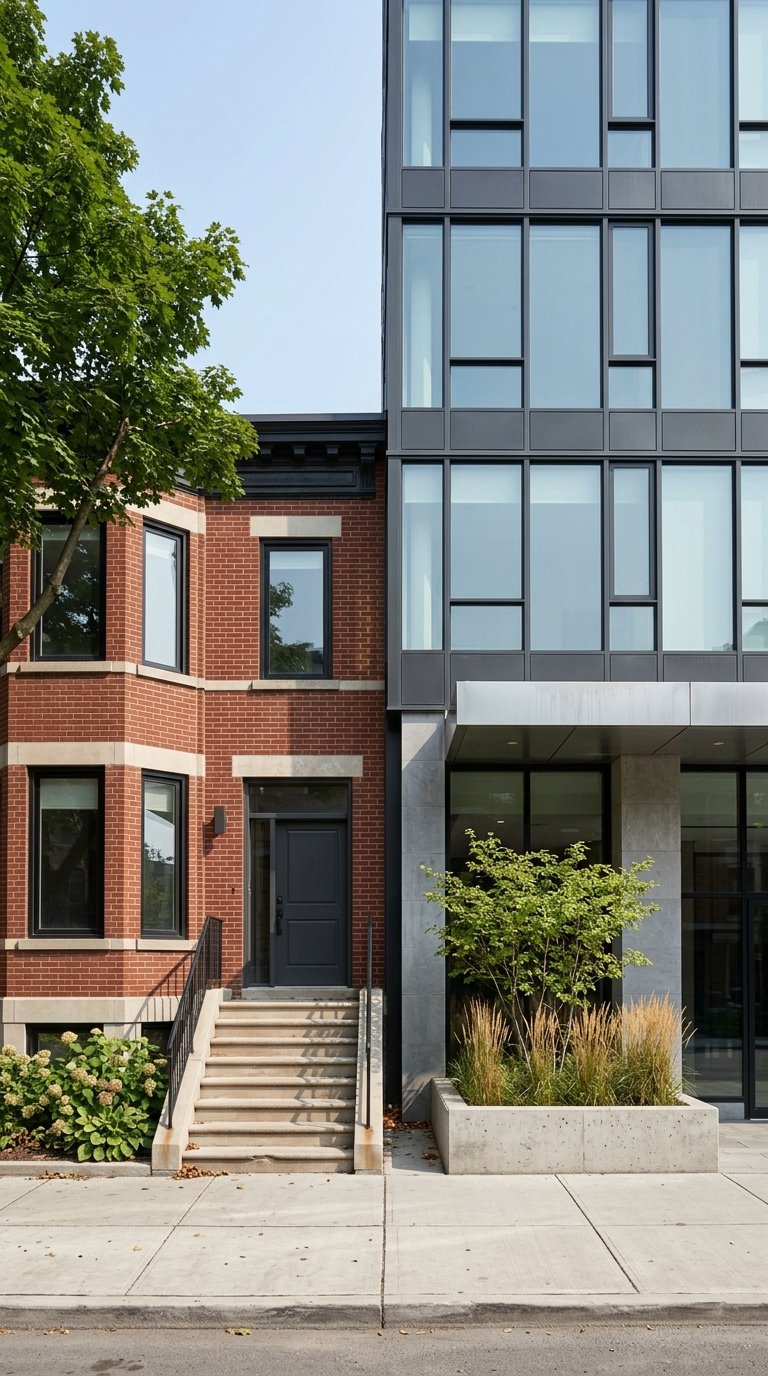
Trying to choose between a sleek South Loop high-rise and a lower-scale loft or condo building? You are not alone. In a neighborhood with lakefront parks, historic districts, transit hubs, and a wide mix of housing styles, the better fit often comes down to how you actually want to live day to day. This guide will help you compare the real tradeoffs so you can make a smarter, more confident move. Let’s dive in.
Why South Loop Gives You Both Options
South Loop stands out because it is not defined by just one housing style. According to Choose Chicago’s South Loop neighborhood guide, the area includes the Museum Campus, Grant Park, Motor Row, the Prairie Avenue District, Printers Row, and the Wabash Arts Corridor.
That mix creates a neighborhood where glass towers, converted lofts, landmark homes, and newer condo buildings all exist within a relatively compact area. Choose Chicago also notes that former printing buildings in the Printing House Row District were redeveloped into residential and commercial spaces, which helps explain why South Loop feels so varied from block to block.
If you are buying here, that variety is a strength. It means you can often match your home style to your routine instead of forcing your routine to match the building.
High-Rise Living in South Loop
High-rise living usually appeals to buyers who want convenience, views, and a more vertical downtown experience. In South Loop, taller buildings often have the best chance of offering open views toward the lake, Grant Park, the skyline, or Museum Campus because of the neighborhood’s lakefront setting near Grant Park and Burnham Park.
For many buyers, that visual experience matters. Natural light, higher-floor exposure, and a more open feel can make a home feel dramatically different, even when the square footage is similar to a lower-floor or lower-rise unit.
Common high-rise advantages
High-rise buildings can be a strong fit if you value:
- Wide views of the lake, park, or skyline
- Amenity spaces and shared common areas
- Elevator access and more full-service building features
- Convenient access to major transit corridors
- A more modern condo lifestyle
South Loop also scores very high for mobility. Redfin reports walkability at 93, transit at 92, and biking at 90, which helps explain why many buyers here prioritize convenience and a car-light lifestyle.
Where high-rise living can cost more
The biggest tradeoff is often your monthly carrying cost. The CFPB explains that condo and HOA fees are usually paid separately from your mortgage, and Fannie Mae notes that these dues may cover shared expenses like exterior maintenance, water, sewer, and landscaping.
In practical terms, that means the lower list price is not always the lower monthly payment. A full-service high-rise may offer more convenience, but those services can come with higher assessments.
Low-Rise and Loft Living in South Loop
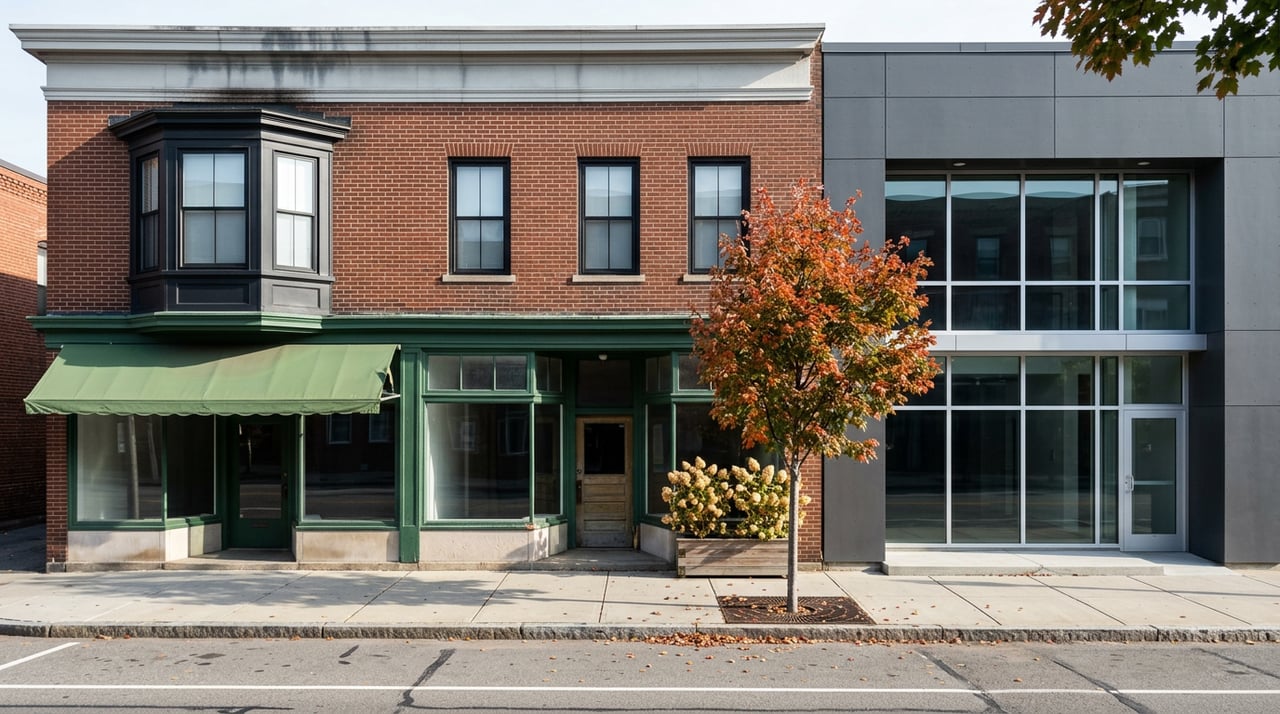
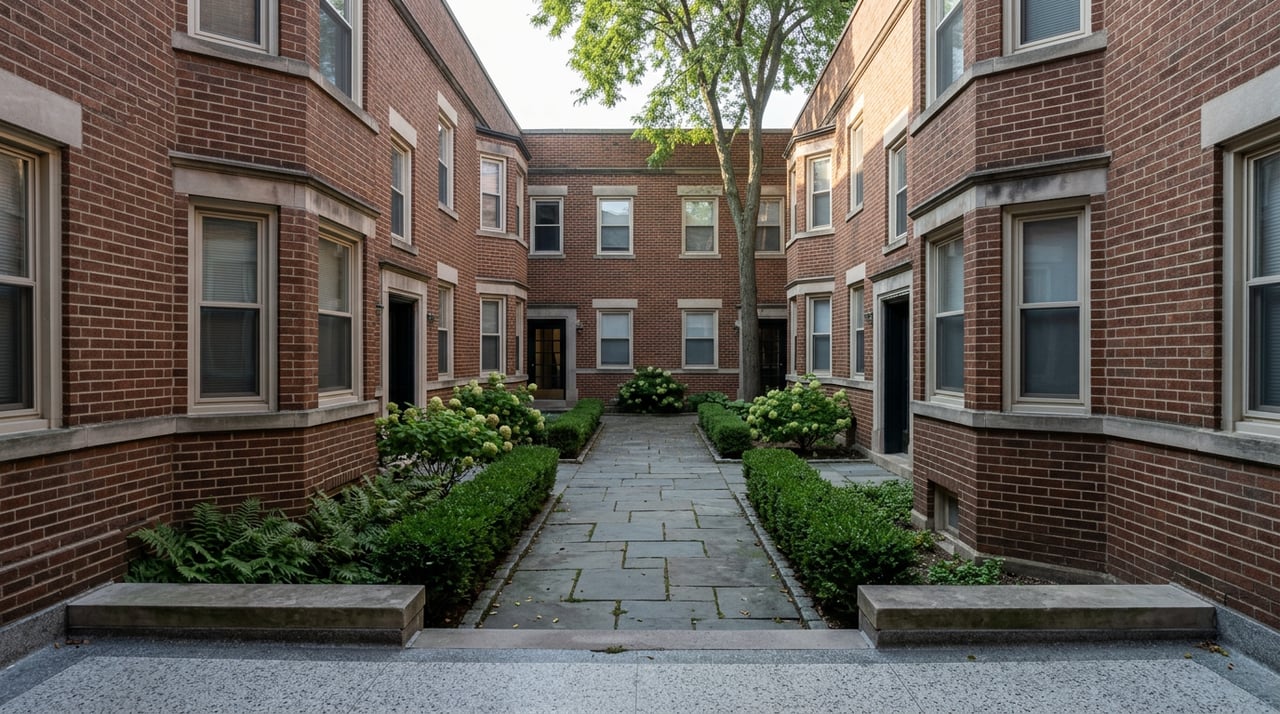
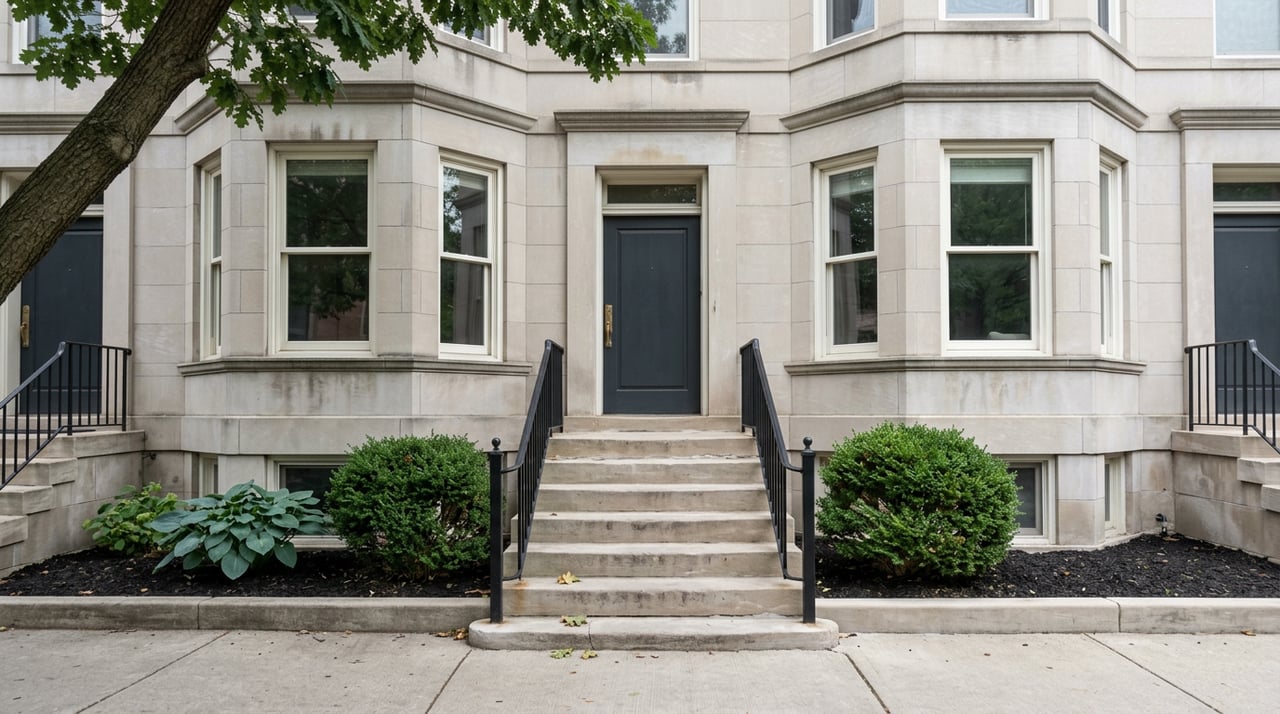
Low-rise living offers a different version of South Loop. Instead of emphasizing height and amenities, these buildings often appeal to buyers who want architectural character, a more grounded residential feel, and a stronger connection to the street.
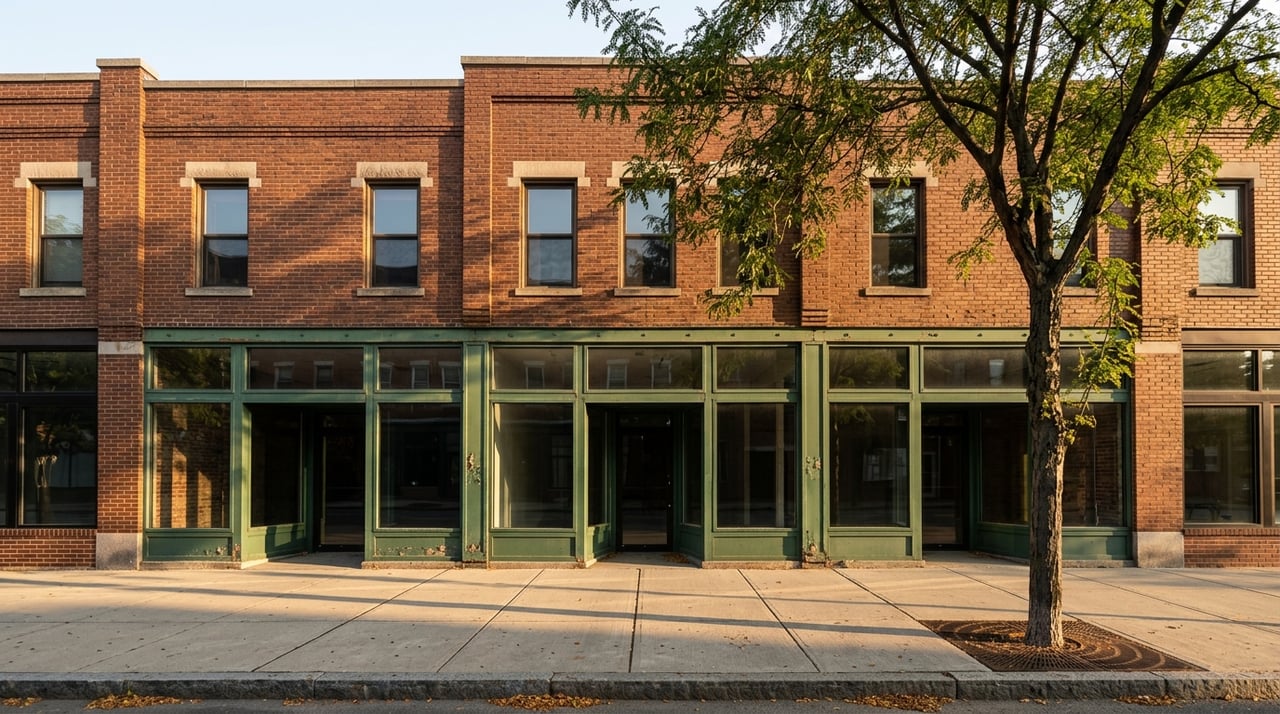
That is especially true in areas tied to the neighborhood’s history. Choose Chicago’s overview of the Printing House Row District highlights the area’s publishing and printing roots, while the Prairie Avenue District reflects one of the city’s most historic residential streetscapes.
Common low-rise advantages
Low-rise and loft-style buildings may be a better fit if you value:
- Historic architecture and distinctive interiors
- More street-level neighborhood texture
- A less “tower-like” living experience
- Smaller-building environments
- Character features tied to older building stock
For some buyers, that difference feels more personal than financial. A converted loft or lower-scale building can offer a living experience that feels more rooted in the neighborhood’s history and rhythm.
Where low-rise living can require tradeoffs
Low-rise buildings are not automatically the budget option. Some may have lower dues, but they may also offer fewer services or shared amenities.
That is why it helps to compare the full monthly picture instead of just the purchase price. You will want to ask what the dues include and whether the building has any special assessments that should factor into affordability.
Compare Lifestyle Before Price
In South Loop, lifestyle fit often matters just as much as list price. The neighborhood includes major destinations, event spaces, transit corridors, and lakefront attractions, so one block can feel very different from the next.
Grant Park hosts major events, and South Loop is also close to major activity centers like Museum Campus, Soldier Field, and McCormick Place. If you like being in the middle of the action, that can be a plus. If you prefer a quieter day-to-day environment, micro-location matters a lot.
Ask yourself these daily-life questions
Before choosing high-rise or low-rise, think through questions like:
- Do you want skyline or lake views enough to pay more each month for them?
- Would you use amenity spaces regularly?
- Do you prefer a quieter side street or a more connected transit location?
- How important is architectural character to you?
- Do you want a building that feels more private or more service-oriented?
- How much event traffic or activity are you comfortable with?
These questions may seem simple, but they often reveal what matters most faster than a spreadsheet alone.
Transit and Convenience Matter
If your routine depends on public transportation, building location may matter more than building height. The Roosevelt CTA station connects the Red, Orange, and Green lines, plus several bus routes, making it one of the neighborhood’s most important transit anchors.
For commuters, that level of access can make a high-rise near major transit especially appealing. But low-rise living can work just as well if the building is still close to the routes you use most.
For buyers who work remotely, the calculus can shift. You may care less about shaving minutes off a commute and more about interior feel, natural light, guest space, or the overall pace of the block.
Park Access Can Outweigh Building Height
Some buyers focus first on the building, but in South Loop, your access to outdoor space can be just as important. The neighborhood sits near Grant Park, Burnham Park, the Lakefront Trail, and Museum Campus, all of which shape how residents spend weekends and downtime.
If you plan to spend a lot of time outdoors, you may find that proximity to the lakefront matters more than whether your building is 6 stories or 36. A lower-rise home near the parks may suit you better than a taller building farther from the places you actually use.
The Market Makes Details Important
Broad neighborhood data is helpful, but South Loop is a place where building-level differences can really influence value. Redfin reports a median sale price of $380,000 in February 2026, with homes selling after a median of 93 days.
That tells you two things. First, South Loop offers a wide range of housing options within an active urban market. Second, details like assessments, building condition, block location, and layout can have a major impact on whether a unit feels like a strong fit.
A Smart Way to Decide
If you are torn between high-rise and low-rise living, the best approach is to compare homes using the same framework. Look at total monthly cost, what the building includes, how the block feels at different times of day, and how well the location supports your routine.
A high-rise may win if you want views, amenities, and transit convenience. A low-rise may win if you want character, a more intimate scale, and a stronger street-level neighborhood feel.
In other words, the question is not which option is better in the abstract. It is which option works better for you.
If you want help comparing South Loop buildings with a more data-driven lens, DeMarcus Hunter can help you evaluate monthly cost, micro-location, and long-term fit so you can move forward with clarity.
FAQs
What is the main difference between high-rise and low-rise living in South Loop?
- The biggest difference is usually lifestyle fit. High-rises often offer more views, amenities, and full-service convenience, while low-rises and loft buildings often offer more character and a stronger street-level residential feel.
Are South Loop high-rises always more expensive each month?
- Not always by purchase price, but they can carry higher monthly costs if condo assessments are higher. HOA or condo dues are usually separate from your mortgage and may cover shared building services.
Is low-rise living in South Loop better for quieter streets?
- It can be, but that depends on the exact block. In South Loop, proximity to transit, parks, and major event spaces can affect noise and activity levels more than building height alone.
Does transit access favor high-rise buildings in South Loop?
- Often, yes, especially near major stations like Roosevelt. But a low-rise building can still be very convenient if it sits close to the transit lines and routes you use most.
Should South Loop buyers focus on building amenities or location first?
- Most buyers should weigh both, but location often has the bigger long-term impact on daily life. In South Loop, access to parks, transit, and major neighborhood destinations can shape your experience as much as the building itself.