Thinking about selling your Glenview home and not sure where to start? You want a clear plan, accurate pricing, and confidence that you are not leaving money on the table. With a few smart updates and a process-driven approach, you can reduce stress and move from “thinking about it” to “sold” with clarity. This guide gives you a step-by-step roadmap tailored to Glenview so you can prepare, price, and sell with confidence. Let’s dive in.
Glenview market snapshot and timing
Recent third-party market snapshots show Glenview’s median prices generally ranging from the high $500s to the mid $700s, and many sources report shorter days on market than last year. That tells you well-presented homes are getting attention, especially in popular price bands. Every data source measures the market differently, so use these numbers as directional indicators. For your home’s exact pricing, rely on a local CMA and current MLS data.
Ask your agent for a local CMA and the most recent MRED snapshot for your street before you set a list price.
What Glenview buyers value
Glenview serves two main ZIP codes, 60025 and 60026, and offers convenient Metra access plus established residential neighborhoods. Buyers often prioritize proximity to transit, finished basements, updated kitchens and baths, garage parking, and usable outdoor space. Use these preferences to guide which features you highlight in your listing.
- Learn more about Glenview’s ZIP codes and layout by reviewing a simple overview of the area’s 60025 and 60026 designations.
- For general context on the community and access, see the Glenview overview.
When to list for best visibility
If timing is flexible, early to mid spring often brings a bump in buyer activity. Research summarizing national trends points to mid April as historically advantageous, thanks to stronger demand and reduced competition. In Glenview, that means starting prep in late winter so you can go live by early spring if your schedule allows. Review your personal timeline with your agent to match prep work and market conditions.
- Read more about seasonal timing insights from the National Association of Realtors.
High-ROI prep checklist
You do not have to renovate everything to make a strong first impression. Focus on curb appeal and targeted refreshes that buyers notice. National benchmarking from Remodeling’s Cost vs Value report can guide priorities when budgets are limited.
Tier A: curb appeal first
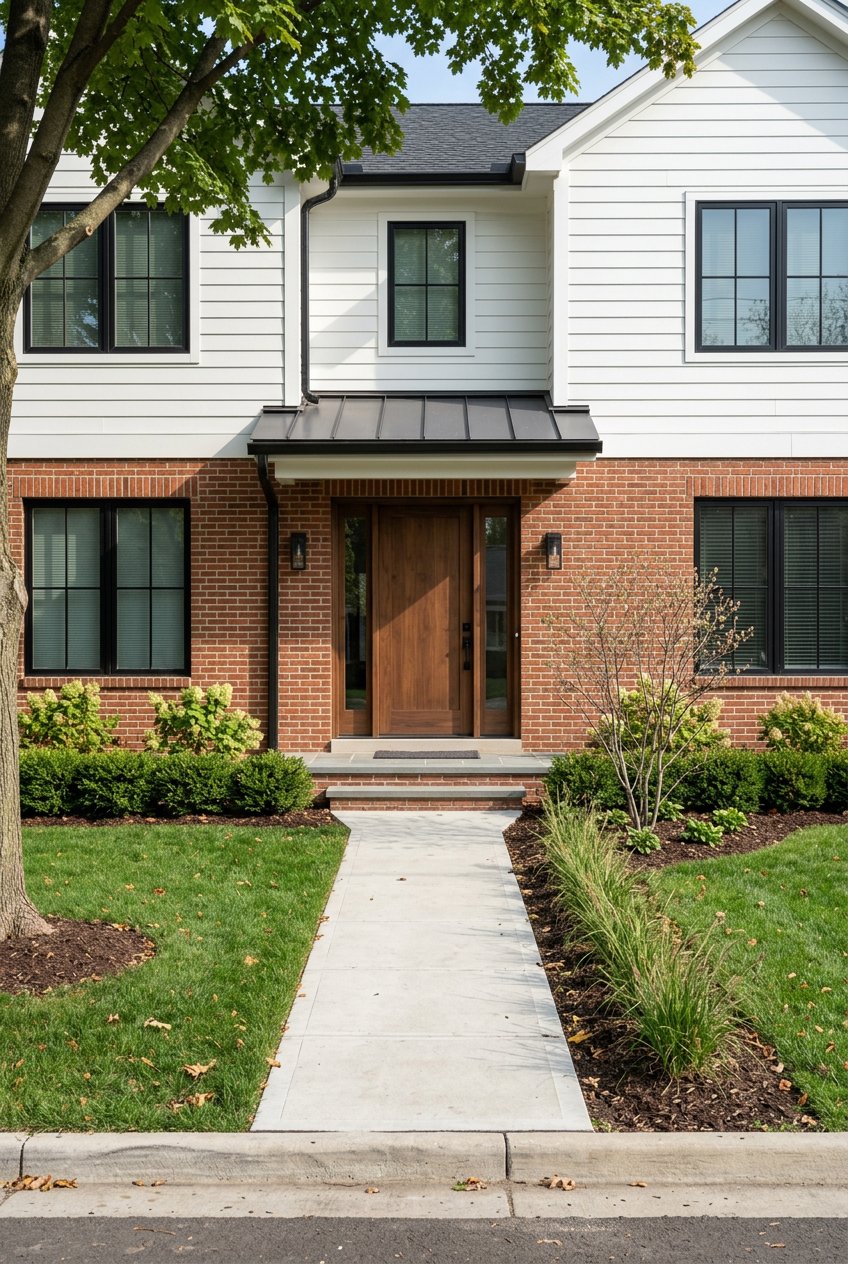
Exterior projects often deliver the strongest perceived value for the cost. Start with pressure washing, fresh mulch, trimmed shrubs, and a tidy entry. If your garage or front door looks tired, consider repair or replacement. Cost vs Value data shows projects like garage door and entry door replacement frequently deliver top returns. Treat these results as directional guidance while you and your agent evaluate local comps.
- Explore national resale payback trends in the 2025 Cost vs Value report.
Tier B: smart interior updates
A minor kitchen refresh can go a long way. Think paint or refinish cabinets, new hardware, and modern lighting. Update worn counters or fixtures if they drag the whole room down. In baths, address caulk, grout, and simple fixture swaps. These improvements elevate photos, showings, and buyer confidence without over-investing.
Tier C: big projects, careful decisions
Full-scale remodels and additions cost more and rarely recoup 100 percent at resale. Consider them only if they significantly narrow the gap to nearby newer or fully renovated comps. When in doubt, prioritize clean, neutral finishes and repair items that could trigger inspection concerns.
Easy staging wins buyers notice
- Schedule a pre-list walk-through or seller’s inspection to uncover issues early. You can choose what to fix and what to disclose, and reduce renegotiation risk later. In Illinois, sellers must still disclose known material defects; review your obligations under the state’s law.
- Use professional photography, a 3D or virtual tour if appropriate, and consistent lighting across rooms.
- Declutter, deep clean, and apply neutral touch-up paint to create a bright, move-in-ready feel.
- Refresh landscaping seasonally and make the approach to the front door feel welcoming.
For Illinois disclosure requirements, see the Residential Real Property Disclosure Act.
Pricing and marketing strategy
Price with a three-tier CMA
Ask your agent to build a CMA that includes three views: closed comps from the last 30 to 90 days, active listings that represent your current competition, and pending sales when available. In lower-inventory segments, a slightly aggressive list price can spark strong activity. If inventory is higher, price competitively to avoid long days on market and later reductions. Compare homes within a half to one mile and within the same assigned school boundaries for apples-to-apples perspective.
Marketing that resonates in Glenview
Spotlight features buyers often prioritize: finished basements, updated kitchens and baths, yard space, garage parking, and proximity to Metra. In the listing copy, include estimated commute info and neutral school-boundary details for clarity. High-quality photos and a clean, consistent presentation can lift click-through and showing volume.
- For general background on Glenview and area access, review the community overview.
Negotiation basics to expect
If pricing and presentation align with demand, be ready for early strong interest. Respond quickly to showing feedback and buyer questions to keep momentum. Use inspection results to decide between repairs and credits, based on what protects your net and timeline. Your agent’s read on current comps and buyer appetite will guide when to hold firm and when a strategic concession pays off.
Disclosures and closing costs in Illinois
Required seller disclosures
Illinois requires sellers of 1–4 unit residential properties to deliver the Illinois Residential Real Property Disclosure Report to buyers before contract signing. Failing to deliver can create termination rights or other remedies for buyers. Your agent can help you complete and provide the form.
- Review the statute governing disclosures, the Residential Real Property Disclosure Act.
Radon paperwork
Under Illinois law, you must provide a state radon pamphlet and disclose any radon test results in your possession. Testing is not mandated, but disclosure of known results is required. Your agent will prepare the standard radon disclosure as part of the listing paperwork.
- Learn more about Illinois radon disclosure requirements in the Illinois Radon Awareness Act.
Transfer taxes and revenue stamps
Most Illinois transactions involve state and county transfer taxes paid when the deed is recorded. Cook County suburban sales typically include both state and county layers, calculated per $500 of consideration. Confirm exact amounts and who pays which portions with your title and closing team.
- See a breakdown of Illinois transfer taxes.
Title, taxes, and typical seller costs
In Illinois, it is customary for the seller to pay for the owner’s title insurance policy that protects the buyer. Expect credits for prorated property taxes at closing, based on the most recent tax bill and exemptions. Glenview tax bills tend to run higher than the national median, so review your bill and exemptions in advance. Budget also for your attorney or closing fees, potential municipal requirements, broker commission as negotiated, and any buyer credits you agree to during negotiations.
- Explore Glenview property tax trends in Cook County at this local tax overview.
Six to eight-week seller timeline
Use this example timeline to stay organized and show-ready.
6–8 weeks before listing
- Meet your agent to align on goals, timing, and a preliminary price band. Request a data-backed CMA and current MLS insights for your micro market.
- Gather key documents: survey, recent tax bill and exemptions, major repair receipts, utility averages, and any permits.
- Consider a pre-list inspection or walk-through to spot and address issues early. Confirm your plan to either fix or disclose.
3–4 weeks before listing
- Complete Tier A and Tier B updates, plus touch-up paint and lighting swaps.
- Declutter, organize closets and storage areas, and finalize furniture layout for photos.
- Book professional photography and, if appropriate, a 3D tour. Finalize your marketing plan and listing copy that calls out commute and boundary details.
1 week before listing
- Finish landscaping, clean windows, and stage the entry and main living spaces.
- Complete the Illinois seller disclosure and radon paperwork with your agent so it is ready for buyers. Collect appliance manuals and system service records in a folder for the future owner.
- Confirm showing instructions, open house plans, and contingencies for pets and work-from-home schedules.
Listing day and active showings
- Launch with polished photos and complete listing details to maximize early traffic.
- Monitor feedback, adjust showing windows if needed, and keep the home in show-ready condition.
- Review offers quickly and compare not just price, but also financing strength, appraisal and inspection terms, and closing timeline.
Contract to closing
- Respond promptly to buyer questions, appraiser requests, and inspection items.
- Decide on repairs versus credits based on your net, timeline, and the competitiveness of backup interest.
- Coordinate with your attorney and title company on transfer stamps, payoff statements, and closing logistics so there are no last-minute surprises.
Your next step
Selling in Glenview rewards preparation, pricing discipline, and clear communication. With the right pre-list updates, accurate comps, and a thoughtful marketing plan, you can attract qualified buyers and protect your net proceeds. If you want a data-backed plan tailored to your address, connect with DeMarcus Hunter to map your timeline, budget, and target list strategy.
FAQs
What is a realistic Glenview list price for my home?
- Third-party snapshots show Glenview medians ranging from the high $500s to mid $700s depending on methodology, but your home’s price should be set by a local CMA that uses recent closed, active, and pending comps within your micro market.
Which pre-list projects deliver the best ROI in Glenview?
- National benchmarking shows curb appeal upgrades like garage and entry doors, plus a minor kitchen refresh, often deliver strong resale value, so prioritize exterior impact and targeted interior updates before large-scale remodels.
What disclosures do Illinois home sellers need to provide?
- Sellers of 1–4 unit residential properties must deliver the Illinois Residential Real Property Disclosure Report before contract signing and provide radon disclosures, including any test results in their possession.
Who pays transfer taxes and title insurance in Cook County suburbs?
- Illinois and Cook County transfer taxes are typically paid at recording per local custom, and it is customary for the seller to pay the owner’s title insurance policy, but confirm exact responsibilities with your attorney or title company.
How should I time my Glenview listing for the best results?
- Early to mid spring often sees higher buyer activity, and national research highlights mid April as a favorable window, so start prep in late winter if your schedule allows and coordinate launch timing with your agent.