Looking to build wealth without straying far from Chicago? A well-located 2–4 unit in Evanston can deliver steady rent, a manageable first investment, and the option to live in one unit while your neighbors help pay the mortgage. Whether you are house-hacking or growing a small portfolio, you want clear numbers, solid financing, and a repeatable process. In this guide, you will learn where demand is strongest, how to underwrite quickly, the most common financing paths, and a local due-diligence checklist built for Evanston. Let’s dive in.
Why Evanston 2–4 units work
Transit, campus, and lake access
Evanston’s rental demand benefits from multiple CTA Purple Line stations and three Metra UP–N stops that connect directly to Chicago. These transit corridors, especially around Davis Street, often support higher occupancy and stronger rent momentum for small multifamily properties. You can review CTA station locations on the Purple Line route guide for a quick sense of walkability and access (CTA Purple Line route).
Northwestern’s nearby campus adds a consistent base of renters tied to the academic calendar. That seasonality can influence marketing timelines and lease starts, especially near downtown, Central Street, and the Main and Dempster corridors. Lakefront neighborhoods sometimes command premiums, but you should assess flood risk and insurance needs on a parcel basis.
Vintage buildings and supply dynamics
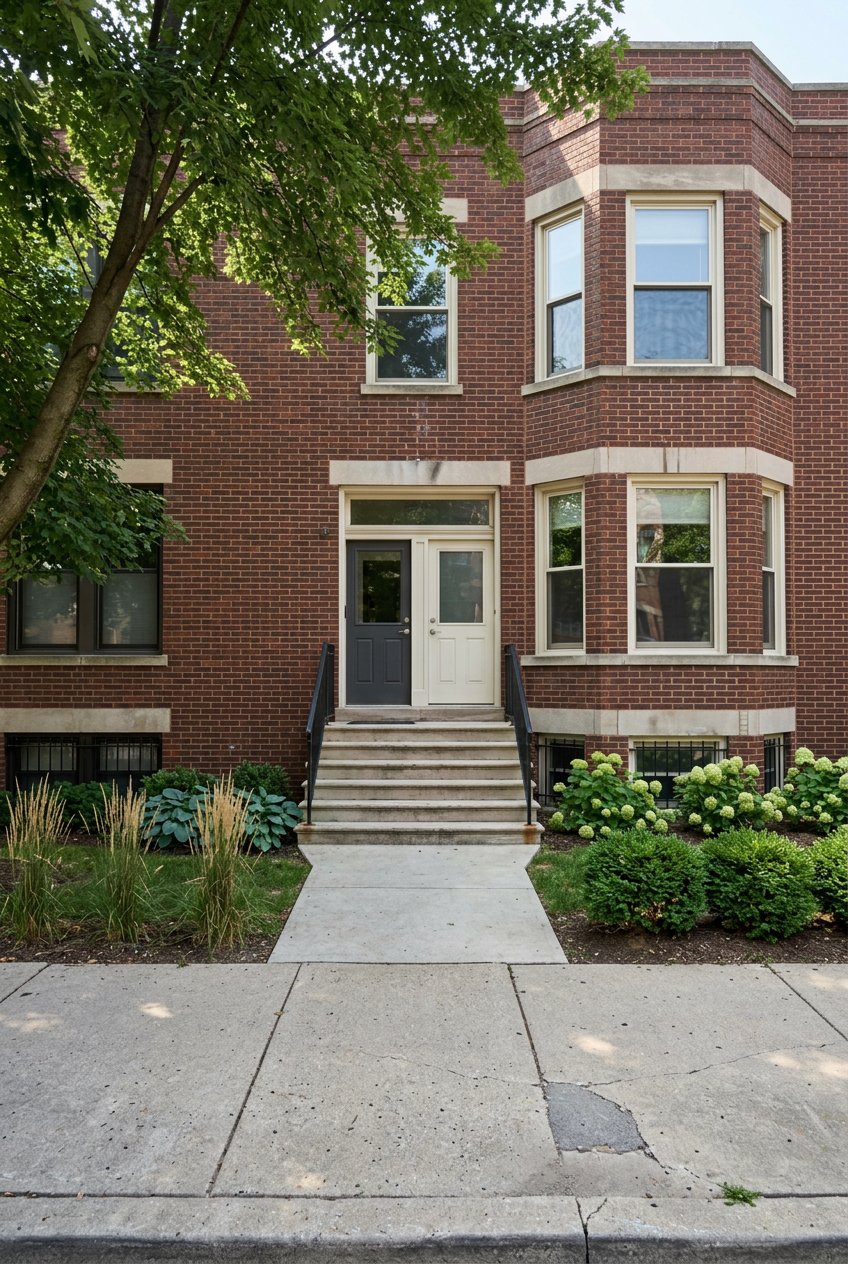
Many Evanston 2–4 unit properties are classic brick two-flats, three-flats, garden units, and modest four-unit walkups built in the early to mid 20th century. Older buildings often perform well when maintained, but they can require ongoing capital for boilers, roofs, windows, and electrical systems. Expect to carry routine maintenance plus a separate capital reserve in your underwriting.
Local reporting shows that two-flat deconversions occur at a low, ongoing pace, which can tighten the small-unit supply in certain blocks over time (Evanston Now coverage). Unit mix matters here. Your rent strategy will differ if the building has multiple 1–2 bedroom units versus larger 3-bedroom layouts often favored by student groups.
What rents and expenses look like
Evanston asking-rent snapshot
As a quick market reference, a recent consumer snapshot showed average asking rents near these levels: studios around the mid $1,600s, 1-bedrooms around the high $1,800s, and 2-bedrooms around the low-to-mid $2,500s. Always verify current asking rents, concessions, and near-term comps within a half mile, especially if you plan to position a unit for students or commuters (apartments.com Evanston snapshot).
Vacancy and expense benchmarks
For well-located, transit-served 2–4 unit properties, a conservative vacancy allowance of 5 to 8 percent is a reasonable early screen. Many small-multifamily buyers also use the “50 percent rule” for a first pass on operating expenses, then replace that estimate with vendor quotes, seller financials, and real utility data as diligence unfolds (50 percent rule overview).
Key expense lines to model include:
- Property taxes. Evanston Township was reassessed in 2025, which can affect 2026 bills; pull the parcel’s assessed value and recent appeals history to budget accurately (Cook County Assessor Evanston Township).
- Insurance. Price landlord policies and confirm any flood exposure if you are near the lakefront. Flood coverage is separate.
- Property management. Full-service fees for small buildings commonly range from the mid to high single digits as a percent of collected rent, with separate leasing fees. Get two or three written proposals.
- Utilities. Confirm what is separately metered and what the owner pays. Steam heat and water/sewer can move your expense ratio.
- Maintenance and CapEx. Many investors budget 5 to 10 percent of gross rent for repairs, plus a separate annual per-unit reserve based on age and condition. Older buildings often require larger reserves.
Quick screen to pro forma
Use a simple flow to compare deals fast, then deepen your analysis with verified numbers.
- Add up market rents by unit to get Gross Scheduled Rent.
- Subtract a vacancy allowance (5 to 8 percent) to reach Effective Gross Income.
- Subtract operating expenses (start with 30 to 50 percent, then refine with quotes and seller P&L) to get Net Operating Income.
- Compare NOI to price for an implied cap rate, or compare NOI to monthly debt service for cash flow and cash-on-cash. Replace rules of thumb with actuals before you commit.
Financing paths for 2–4 units
House-hack with FHA
FHA can insure 1–4 unit purchases when you will occupy one unit as your primary residence. Minimum down payment can be as low as 3.5 percent with qualifying credit. For 3–4 unit purchases, lenders often require additional reserves and rental income documentation, and you should expect occupancy language, usually for the first 12 months. Confirm current requirements with your lender (FHA 2–4 unit highlights).
Conventional and investor options
Owner-occupant buyers can also use conventional conforming loans on 2–4 unit properties, with program details that vary by unit count and borrower profile. Pure investor loans typically come with larger down payments and different underwriting, such as DSCR tests and higher reserve requirements. If you plan to qualify using rent from other units, your lender may require leases, rent comps, or a rental appraisal. Start that conversation early so your financing matches your plan.
Due-diligence checklist for Evanston
Use this scannable list to keep your process tight. Customize it based on the property’s age, unit mix, and location.
Documents to request
- Rent roll for 12 months, current leases, security deposit records, and 12 to 24 months of utility bills.
- Seller operating statements and P&L for the last 24 months.
- Proof of ownership, recent title work, and any open code violations.
- Insurance declarations and any past claims.
- Permits and certificates of occupancy for recent renovations.
Inspections to schedule
- Licensed home inspector with small-multifamily experience; consider specialist follow-ups for roof, foundation, HVAC, boiler or steam systems, electrical service, plumbing, and sewer lateral.
- Pest, mold, and moisture checks. If near the lakefront, assess flood elevation, sump systems, and backup power.
- For pre-1978 buildings, ensure proper lead disclosure and consider a lead-focused inspection per federal rules (EPA lead disclosure rule).
Regulatory and title checks
- Confirm legal unit count and zoning compliance using the City’s zoning tools, especially with rezoning work underway as of March 2026 (City zoning and planning).
- Verify the property is enrolled in Evanston’s Rental Registration program and understand the inspection cycle and fees (Rental Registration requirements).
- If you plan any short-term rental use, review current license rules and recent limits before assuming income from that strategy (Vacation rental license info).
Financial and legal verifications
- Tenant estoppel or verification letters to confirm lease terms and deposits.
- Review deposit handling practices and required notices under state and municipal rules.
- Evidence of proper lead disclosures for pre-1978 housing, plus any remediation records (EPA lead disclosure rule).
- Pull the last tax bills and appeals history; the 2025 reassessment can influence 2026 tax outcomes (Cook County Assessor Evanston Township).
Neighborhood and amenity checks
- Walk the block at different times to gauge transit access, parking zones and restrictions, noise, and nearby services.
- Note proximity to Purple Line or Metra stops and to downtown, Central Street, or Main/Dempster corridors for leasing appeal.
Red flags to watch
- Missing rental registration or open code violations that could delay occupancy or trigger re-inspection fees (Rental Registration requirements).
- Significant deferred maintenance on major systems without seller credits or reserves.
- Unpermitted units or bedrooms not reflected in city records.
- Incomplete lead disclosures for pre-1978 units.
Micro locations to watch
Downtown and Davis Street
High walkability to transit, shops, and Northwestern-linked services often supports lower vacancy and faster lease-ups. Buildings on quiet side streets near Davis can benefit from a broad tenant base, including professionals and graduate students.
Central Street and Main/Dempster
These corridors mix residential character with local retail and transit options. Two- and three-flats that sit within a short walk to a Purple Line or UP–N stop tend to see stronger showing activity during leasing season. Verify block-level parking rules since they matter to many renters.
Lakefront blocks
Select lake-adjacent streets can command a rent premium. Balance that with flood and wind exposure in your insurance planning, and confirm any basement unit’s compliance and dryness before you count it in your pro forma.
Timing and policy watch
The City’s Envision Evanston 2045 effort includes a draft rezoning package that would broaden where duplexes, triplexes, and fourplexes are allowed as of March 2026. That can be an upside for infill potential near transit. It also means you should confirm current zoning and permissible unit counts before pricing a value-add or redevelopment plan (City zoning and planning). Evanston also actively enforces annual rental registration and has tightened short-term rental rules, so align your plans with today’s code and licensing.
How we help you invest with clarity
You deserve a process that replaces guesswork with evidence. With a data-first approach, neighborhood fluency, and clear step-by-step guidance, we help you underwrite, source, and secure 2–4 unit opportunities that fit your strategy. From rent comps and tax projections to lender introductions and offer tactics, you get a calm, transparent path from first screen to close. When you are ready to explore Evanston’s small-multifamily market, connect with DeMarcus Hunter to book a consultation and move forward with confidence.
FAQs
What drives demand for Evanston 2–4 unit rentals?
- Transit access via the CTA Purple Line and Metra, plus proximity to Northwestern, supports steady renter interest near stations and downtown corridors (CTA Purple Line route).
How should I estimate rent for a specific Evanston unit?
- Start with nearby active listings and recent comps within a half mile, then cross-check market averages for your unit type and adjust for walkability and transit ( apartments.com Evanston snapshot).
What vacancy and expense rates should I use to screen deals?
- Many investors model 5–8 percent vacancy for transit-served small multifamily and use the 50 percent rule as an initial expense proxy before replacing it with actual quotes and P&L data (50 percent rule overview).
Can I buy a 2–4 unit in Evanston with a low down payment?
- Yes, if you will live in one unit, FHA can allow as little as 3.5 percent down, with reserve and documentation requirements that vary by unit count and lender (FHA 2–4 unit highlights).
Do I need to register my Evanston rental building?
- Yes, Evanston requires annual Rental Registration and periodic inspections, so factor fees and any correction work into your timeline and budget (Rental Registration requirements).
Are short-term rentals allowed in Evanston small multifamily?
- The City has recently tightened rules and placed limits on new non-owner-occupied short-term licenses, so verify what is allowed for your address before assuming STR income (Vacation rental license info).
How do two-flat deconversions affect the Evanston market?
- Deconversions occur at a low level locally, which can slowly reduce small-unit supply in some areas and influence rent and comp sets over time (Evanston Now coverage).