Wondering if Andersonville condo living is all charm and no practicality? The truth is, it feels a lot more grounded and livable than the polished highlight reel many buyers imagine. If you are thinking about buying a condo here, it helps to understand not just what the neighborhood offers, but how daily life actually works block by block. Let’s dive in.
Andersonville feels local every day
One of the biggest reasons people are drawn to Andersonville is how connected daily life feels. The neighborhood’s main commercial corridor and nearby residential streets are closely linked, so your routine can flow naturally between home, errands, coffee, dinner plans, and weekend browsing.
The Andersonville Chamber of Commerce highlights more than 430 businesses in the district. That matters because condo living here is not centered on one major attraction. It is shaped by a steady rhythm of locally owned shops, restaurants, bars, and service businesses that give the area an active but neighborhood-scale feel.
The Andersonville Development Corporation describes the historic district as pedestrian-oriented and walkable, with historic storefronts and buildings that contribute to a small-town atmosphere on Chicago’s north side. In real life, that often means your days feel more foot-based than car-based, especially if you enjoy getting around on your own schedule.
Clark Street shapes the lifestyle
If you want to know what Andersonville condo living really feels like, start with Clark Street. It is the spine of the neighborhood experience, with side streets and nearby residential blocks feeding into that core.
This is the kind of place where quick errands can turn into a longer stroll. You may head out for one thing and end up browsing a few storefronts, grabbing lunch, or stopping into a neighborhood business you have passed before. That is part of the appeal.
The area’s historic district even includes a self-guided walking tour, which says a lot about how the neighborhood is meant to be experienced. It is a place where the built environment invites you to slow down and notice what is around you.
Everyday errands feel easier
For many condo buyers, convenience matters just as much as charm. Andersonville stands out because the shopping and dining mix supports daily life, not just special occasions.
The neighborhood guide and business maps point to a compact district built around regular use. That can make condo living here feel efficient, especially if you prefer having essentials and small pleasures close to home.
Browsing is part of the culture
Andersonville is also a neighborhood where casual browsing feels normal. The Andersonville Galleria alone includes more than 100 vendors selling apparel, jewelry, artwork, home furnishings, giftware, accessories, antiques, fair-trade goods, and gourmet treats.
That kind of retail density adds texture to daily life. It helps explain why living here can feel more personal and layered than living near a more generic retail corridor.
The neighborhood stays active year-round
A lot of condo buyers want more than a nice unit. They want a neighborhood that feels alive outside their front door. Andersonville delivers that through recurring events and visible public upkeep.
Official neighborhood programming includes Midsommarfest, the Wine Walk, the Summer Sidewalk Sale, and the Farmers Market, which is scheduled on Wednesdays with the 2025 season listed from May 14 through October 22. These are not one-off surprises. They are part of the neighborhood’s regular rhythm.
That means condo living here can feel seasonal in a good way. There is often something happening that gives the area energy, whether you join in fully or simply enjoy the extra foot traffic and activity nearby.
Public spaces feel cared for
Another detail buyers notice quickly is whether a commercial corridor feels maintained. In Andersonville, SSA #22 supports sidewalk sweeping, pressure washing, planter care, bike corrals, holiday decorations, snow removal, façade rebates, and security camera rebates.
You may not think about those details before moving, but they shape your experience once you live there. They help explain why the neighborhood can feel cared for, active, and welcoming throughout the year.
Condo buildings are usually smaller-scale
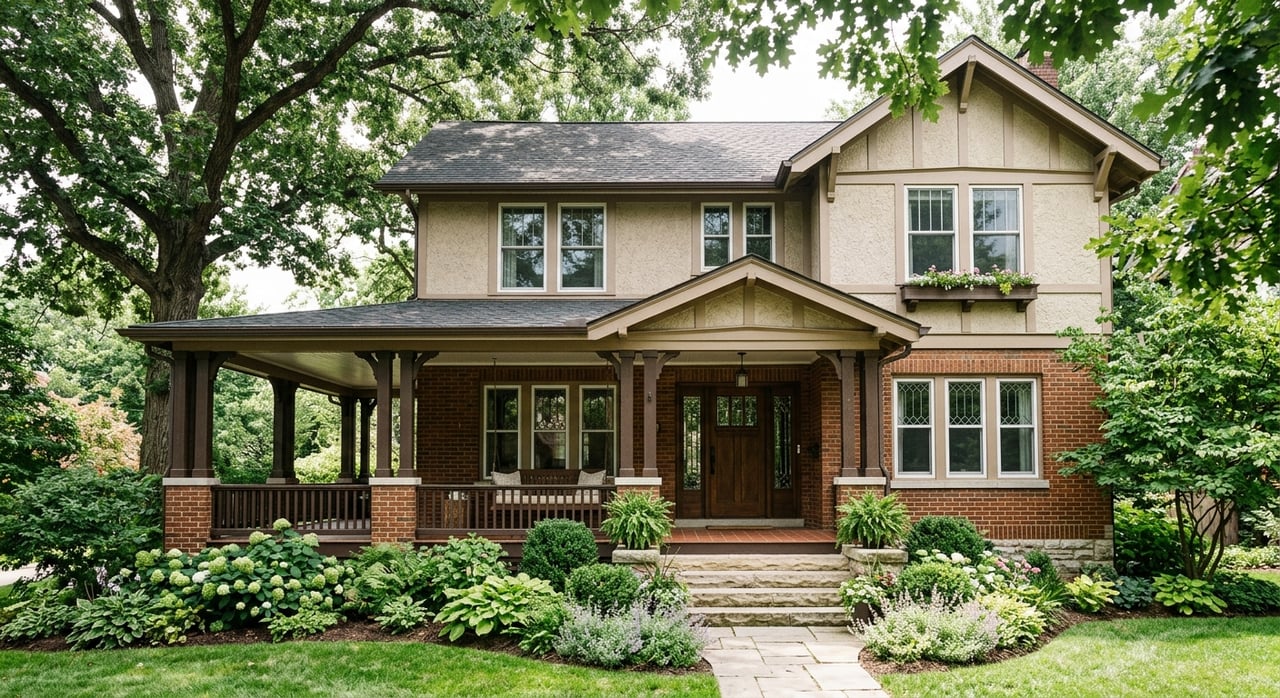
If you are picturing a full-service glass tower, Andersonville may feel different from what you expect. The neighborhood’s building stock is generally older and lower-rise, with a lot of architectural character built into the streetscape.
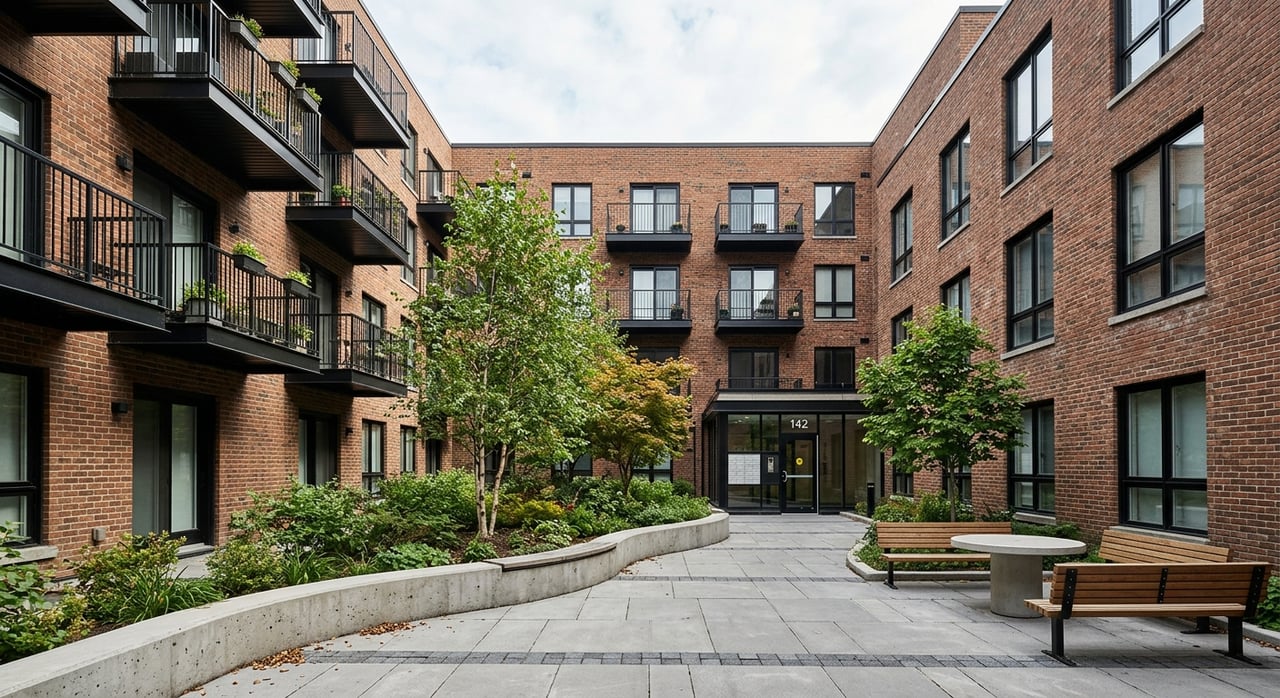
The historic commercial district along Clark and Ashland includes mostly early-20th-century commercial architecture, including two- and three-story brick buildings with limestone ornamentation. More broadly, Chicago’s residential fabric in this kind of area is often shaped by two-flats, three-flats, courtyards, greystones, and other missing-middle housing types.
For condo buyers, that often translates into vintage, low-rise conversions rather than high-rise tower living. A Chicago REALTOR® neighborhood profile also notes that Andersonville has seen numerous condo conversions, which helps frame what many buyers are likely to encounter in the market.
Expect character over uniformity
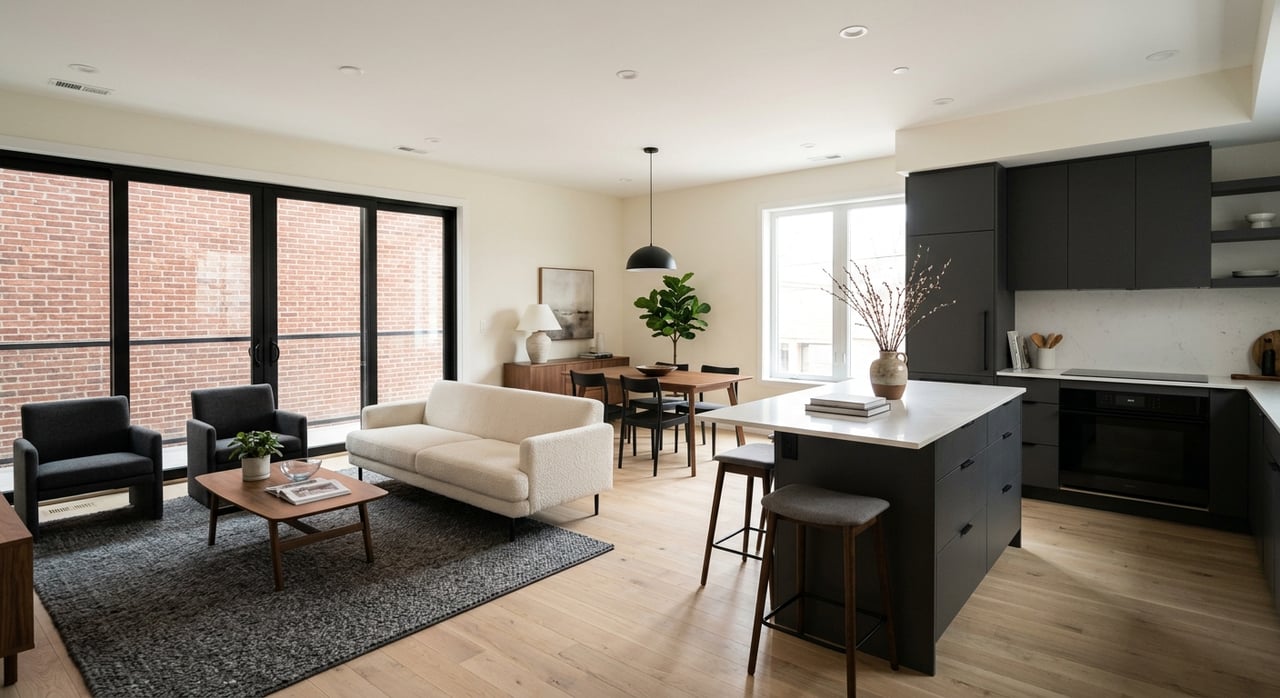
One of the best things about condo shopping in Andersonville is that many buildings do not feel interchangeable. Layouts, finishes, and common areas can vary quite a bit from property to property.
That is why it is smart to evaluate amenities on a building-by-building basis. The neighborhood’s appeal tends to come from character, scale, and location first, while updated finishes or added conveniences depend on the specific property.
Smaller associations can change the experience
Because many condos are in lower-rise buildings and conversions, the ownership experience can feel more intimate than in larger developments. That can affect everything from shared maintenance expectations to how common spaces are used.
This is not automatically better or worse. It simply means your condo decision should include a close look at the building itself, not just the neighborhood around it.
Car-light living is realistic here
Andersonville works well for buyers who want to rely less on a car, but it helps to set expectations correctly. Transit access is practical, though the neighborhood is better described as bus-first rather than rail-centered.
CTA service in and around Andersonville includes the 22 Clark route with overnight service and multiple Clark Street stops through the neighborhood. Other nearby service includes the 36 Broadway, 92 Foster, and 81 Lawrence routes, with connections to Red Line stations depending on where you are headed.
For many residents, that makes car-light living realistic. The more accurate picture, though, is strong bus access with nearby Red Line connections, not an in-neighborhood rail hub.
Walking does a lot of the work
Because the neighborhood is pedestrian-oriented, many day-to-day trips may not require transit at all. If your grocery stop, coffee run, dinner plan, or personal errand is nearby, walking can cover a surprising amount of your routine.
That is a meaningful part of the condo lifestyle here. You are not just buying square footage. You are buying into a pattern of movement that can feel simpler and more connected.
Andersonville blends heritage and daily life
Some neighborhoods feel purely residential. Others feel mostly commercial. Andersonville tends to land in a middle ground that many buyers find appealing.
The Swedish American Museum remains a cultural anchor in the heart of the neighborhood, and the museum notes that Andersonville is one of the most concentrated areas of Swedish heritage in the United States. That heritage adds identity to the area without making it feel frozen in time.
Instead, the neighborhood reads as a blend of history, local business activity, and lived-in residential blocks. For condo owners, that often creates a stronger sense of place than neighborhoods that feel more anonymous.
What condo living here may feel like for you
If you are deciding whether Andersonville fits your lifestyle, it helps to think beyond listing photos. The real experience is often about rhythm, scale, and how you want your days to feel.
You may enjoy Andersonville condo living if you want:
- A walkable neighborhood where daily errands feel easy
- Local shops and restaurants woven into your routine
- Smaller-scale buildings with vintage character
- A neighborhood that stays active through seasonal events
- Practical transit access without depending on rail at your doorstep
- A more personal, less high-rise version of city living
You may need to think more carefully if you want:
- A large full-service building environment
- Predictable, uniform layouts and amenities across properties
- Rail service located directly in the middle of the neighborhood
- A lifestyle built mainly around driving and parking convenience
Why the right condo takes local context
In a neighborhood like Andersonville, buying the right condo is about matching the unit, the building, and the block to the way you actually live. Two properties with similar square footage can offer very different day-to-day experiences depending on their location, building style, and level of renovation.
That is where local, block-level insight matters. A data-driven search helps you compare not only price and condition, but also the lifestyle tradeoffs that may affect your long-term satisfaction.
If you are exploring condos in Andersonville and want a clear, strategic view of how different options stack up, DeMarcus Hunter can help you evaluate the market with both neighborhood context and a process-driven approach.
FAQs
What does Andersonville condo living feel like compared with high-rise living in Chicago?
- Andersonville condo living usually feels smaller-scale and more neighborhood-focused, with many low-rise and vintage condo buildings rather than full-service high-rise towers.
What kinds of condo buildings are common in Andersonville?
- Many buyers will find older, lower-rise buildings, including condo conversions and properties tied to Chicago’s traditional two-flat, three-flat, courtyard, and greystone-style housing fabric.
Is Andersonville a walkable neighborhood for condo owners?
- Yes. Andersonville is described by local organizations as pedestrian-oriented and walkable, with daily life often centered around Clark Street and nearby side streets.
Is public transit convenient for Andersonville condo residents?
- Transit is practical, especially by bus, with service on the 22 Clark, 36 Broadway, 92 Foster, and 81 Lawrence routes, plus nearby Red Line connections.
What makes Andersonville feel active throughout the year?
- Seasonal events like Midsommarfest, the Wine Walk, the Summer Sidewalk Sale, and the Farmers Market, along with SSA #22 streetscape and maintenance programs, help keep the neighborhood lively and well-kept.
Is Andersonville a good fit for first-time condo buyers in Chicago?
- It can be a strong fit for first-time buyers who want a walkable setting, neighborhood character, and lower-rise condo options, especially if they value local businesses and a more personal residential feel.