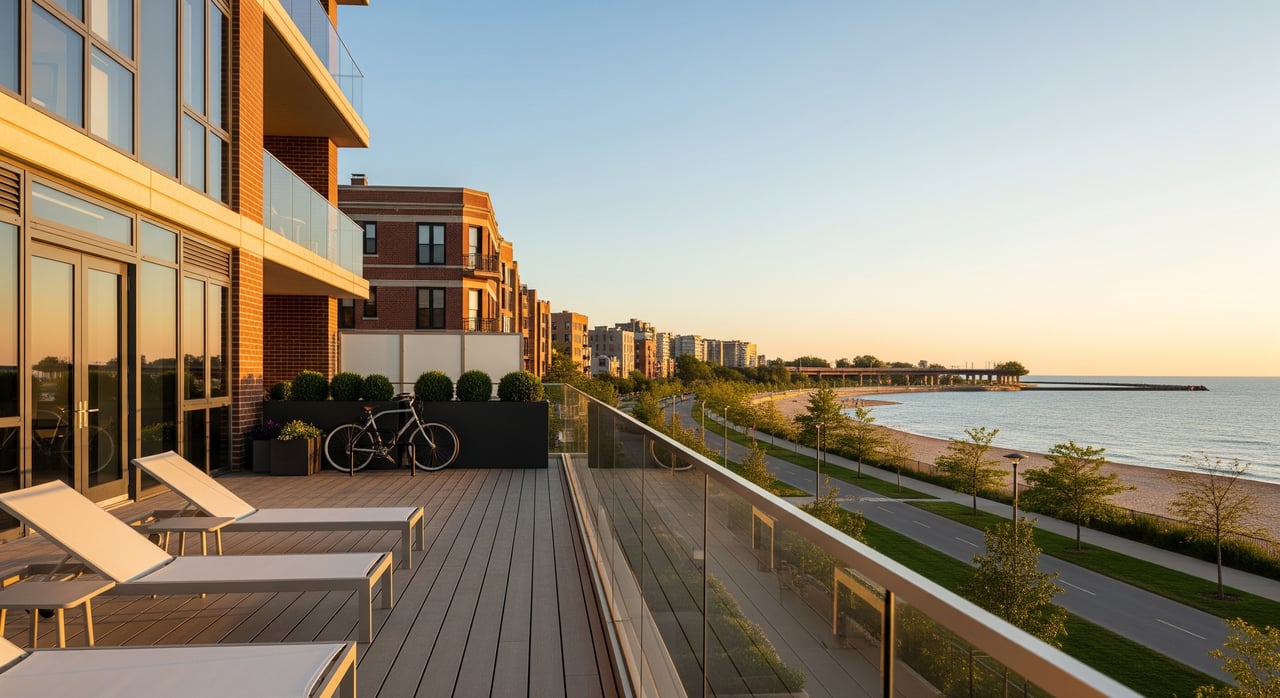
Imagine skipping traffic, hopping on a train, and ending your day with a walk by the water. If you want a car-light lifestyle near the lake, Edgewater on Chicago’s North Side makes it practical and enjoyable. In this guide, you’ll see how transit, buses, the Lakefront Trail, and bike options come together, plus what to check in a home if you plan to live without a car. Let’s dive in.
Why Edgewater works car-free
Edgewater blends frequent rapid transit, crosstown buses, and direct lakefront access. You can cover most daily needs within a short walk of commercial corridors like Broadway and Clark Street. Many buildings sit within a quick stroll of Red Line stations, and the Lakefront Trail is close for recreation or bike commutes.
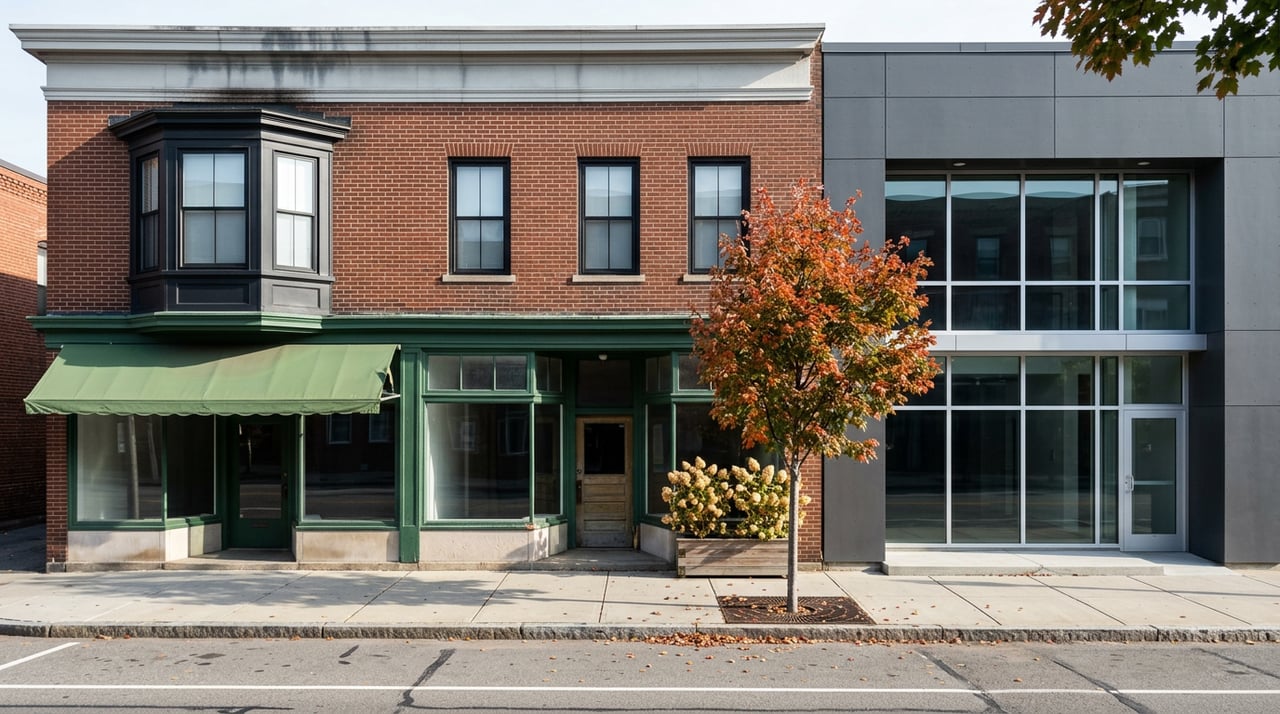
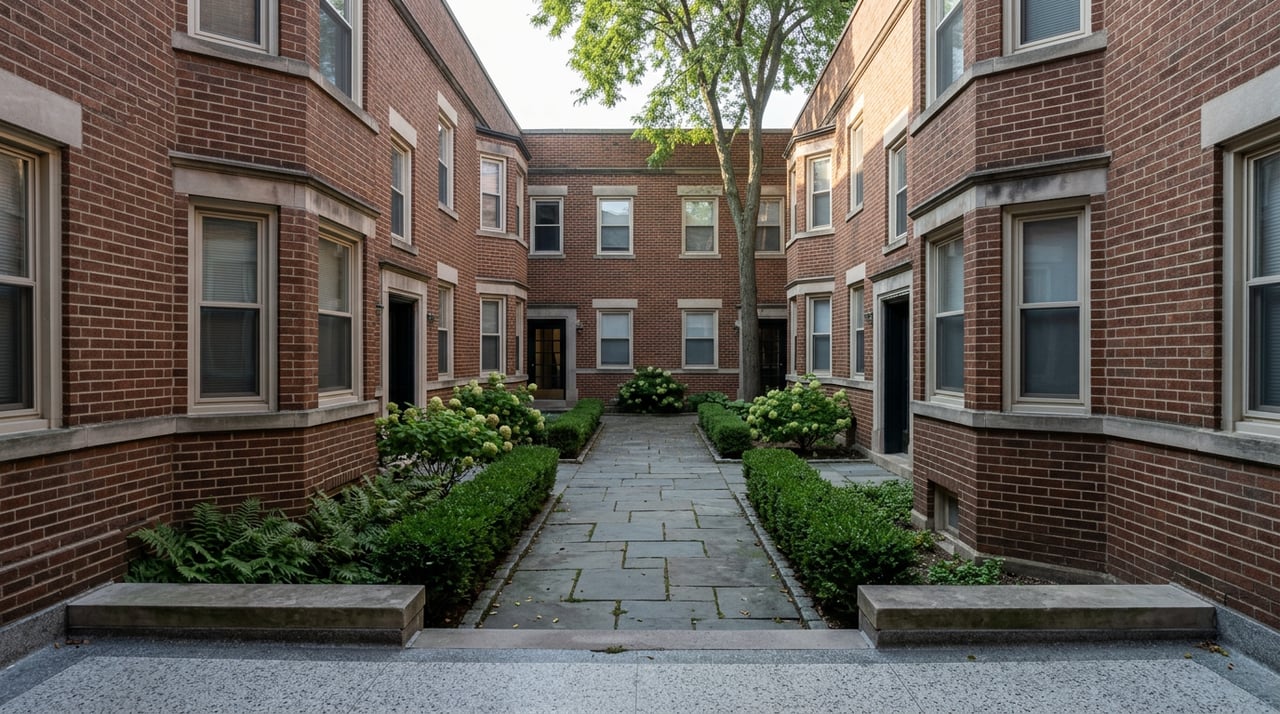
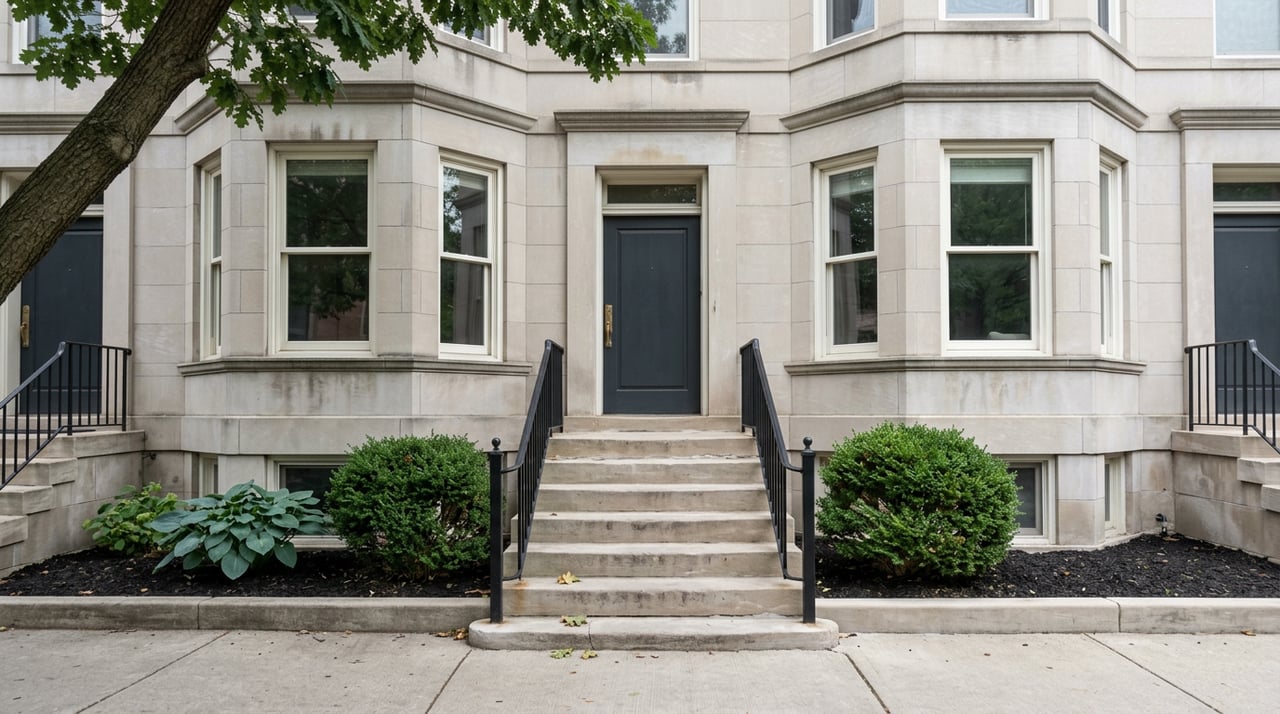
The housing mix helps too. You’ll find mid-rise apartments and condos near transit, classic walk-ups on quieter blocks, and larger buildings along Sheridan Road by the lake. That variety gives you options to balance convenience, space, and budget.
Transit: Red Line and buses
The CTA Red Line runs 24/7 and links Edgewater to the Loop and other North Side destinations. Because stations in this corridor are fairly close together, many addresses are an easy walk to a stop. Trains run frequently during the day, and overnight service makes late returns possible without a car.
Multiple bus routes fill in the gaps for short hops or east-west trips. Bus frequency varies by time of day, so plan ahead for early mornings or late evenings. If you are living car-free, proximity to a station or bus stop is one of the biggest quality-of-life factors.
What to consider by the station: blocks right next to stops tend to be more active with shops and restaurants. A few blocks inland often feel quieter and more residential. If you want less street noise while keeping convenience, look for places a short walk off the main corridor.
Lakefront Trail and parks
Edgewater borders the Lakefront Trail, a paved path used by walkers, runners, and cyclists. Many homes sit within a 5-20 minute walk of trail access, neighborhood parks, and beaches. That makes sunrise runs, evening bike rides, or a quick beach day possible without starting a car.
Expect the trail to be busy during summer mornings and weekends. Shared-use etiquette helps everyone enjoy the space. In winter, the lakeshore can be cold, windy, and sometimes icy, so plan your gear and routes accordingly.
Biking and bike-share
Edgewater connects to Chicago’s citywide bikeway network, with on-street lanes and signed routes that link to the Lakefront Trail and nearby districts. Quality can vary by street, so choose routes with protected lanes or lower traffic where possible.
Chicago’s bike-share system places stations near transit hubs, commercial corridors, and parks. Bike-share is a great first-last mile tool when a bus or train does not cover your exact route. Scooters and other micro-mobility options appear seasonally in many neighborhoods, but availability can change based on city rules and weather.
Storage matters. Look for buildings that advertise secure bike parking, indoor racks, or a locked bike room. If bikes are stored inside your unit, elevators make daily trips easier.
Walkability and daily needs
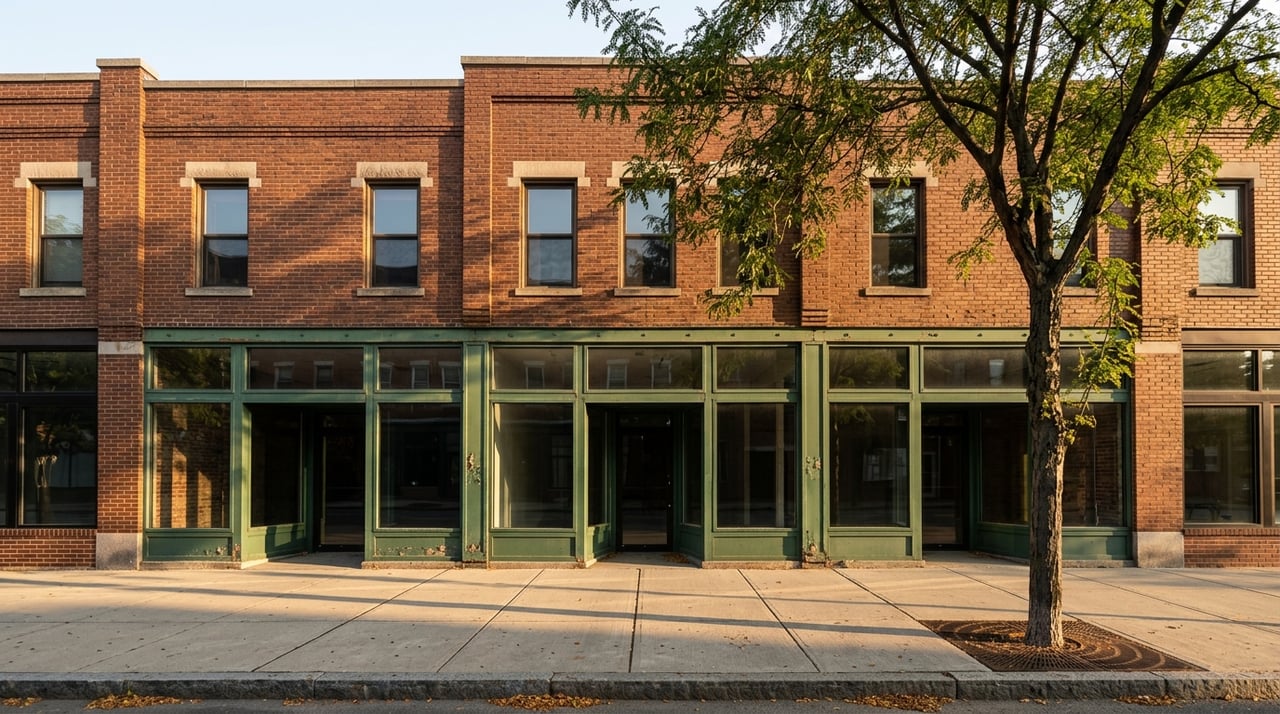
You can handle everyday errands on foot in Edgewater. Commercial corridors often bundle groceries, pharmacies, coffee, and takeout within a few blocks. For bulk shopping, many households mix walking with delivery or a quick transit ride.
If you rely on deliveries, ask about package lockers, doorman service, or secure entry. Rideshare pickup zones and a covered building entry add comfort for late-night returns or bad weather. If you plan to keep a car for occasional trips, confirm on-site or permit-parking options and any building rules.
Seasonal and comfort tips
- Winter: Snow and ice can slow walking and biking. Check how a building handles sidewalk snow removal and whether nearby bus stops and station entrances are kept clear.
- Wind: Lake-effect winds can be strong. Shorter walks to transit and covered station entrances make a noticeable difference.
- Nighttime comfort: Well-lit, active corridors feel more comfortable for late returns. Evaluate lighting, sightlines, and building entry features when touring.
- Noise: Homes right on busy streets or next to elevated tracks can carry more sound. If you are noise-sensitive, look a block or two off the main corridor while keeping a short walk to transit.
Car-light housing checklist
Use this quick list when evaluating listings:
- Walking time to the nearest Red Line station and Lakefront Trail or beach.
- Distance to a grocery store, pharmacy, coffee shop, and laundromat.
- On-site or secured bike storage and any maintenance amenities.
- Building features that replace car convenience: in-building laundry, package lockers, rideshare pickup area, covered entry.
- Parking availability only if occasional car use is planned.
- Winter readiness: snow removal for sidewalks, covered entries, and storage for winter gear.
A sample day without a car
- Morning: Walk a few blocks to the Red Line. Trains run frequently, so you reach the Loop without dealing with traffic or parking.
- Lunch: Grab a sandwich on Broadway or Clark Street, then pick up essentials at a nearby market.
- Evening: Change shoes and head to the Lakefront Trail for a ride or walk along the water.
- Night: Ride a bus back for a short hop home, or use bike-share for the last mile.
Next steps to assess fit
- Use a trip planner to check typical door-to-door times from a specific address to your workplace at peak and off-peak hours.
- Review bus routes that match your daily errands, not just your commute.
- Check park and beach pages for nearby access points and seasonal hours.
- Look up current bikeway maps for protected-lane options on your common routes.
- Tour buildings with a focus on storage, deliveries, and winter comfort.
Ready to compare addresses or narrow your search to the best transit and lakefront blocks in Edgewater? Connect with DeMarcus Hunter for a data-backed, low-stress plan to find your fit.
FAQs
How close is the lake from typical Edgewater addresses?
- Many homes are within a 5-20 minute walk of the Lakefront Trail and beaches, with exact distance depending on the block and whether you are east or west of Sheridan Road.
How does the Red Line support commuting to downtown Chicago?
- The Red Line runs 24/7 and typically offers frequent service, giving you a consistent ride that avoids street traffic and connects to the Loop and other lines.
Are groceries and daily services walkable in Edgewater?
- Yes. Commercial corridors concentrate grocery options, restaurants, cafes, pharmacies, and services, so you can handle most errands on foot or with a short bus ride.
Is Edgewater bike-friendly for commuting and errands?
- Generally yes. On-street bikeways and the Lakefront Trail support daily rides. Choose protected lanes or lower-traffic streets when possible and look for secure bike storage at home.
What should I expect in winter if I live car-free?
- Transit and walking remain viable, but cold, wind, and ice can slow trips. Prioritize short walks to transit, covered station entries, and buildings with reliable snow removal.
Should I plan to keep a car in Edgewater?
- Many residents manage without one. If you want a car for occasional trips, confirm on-site or permit-parking options and factor costs and convenience into your decision.