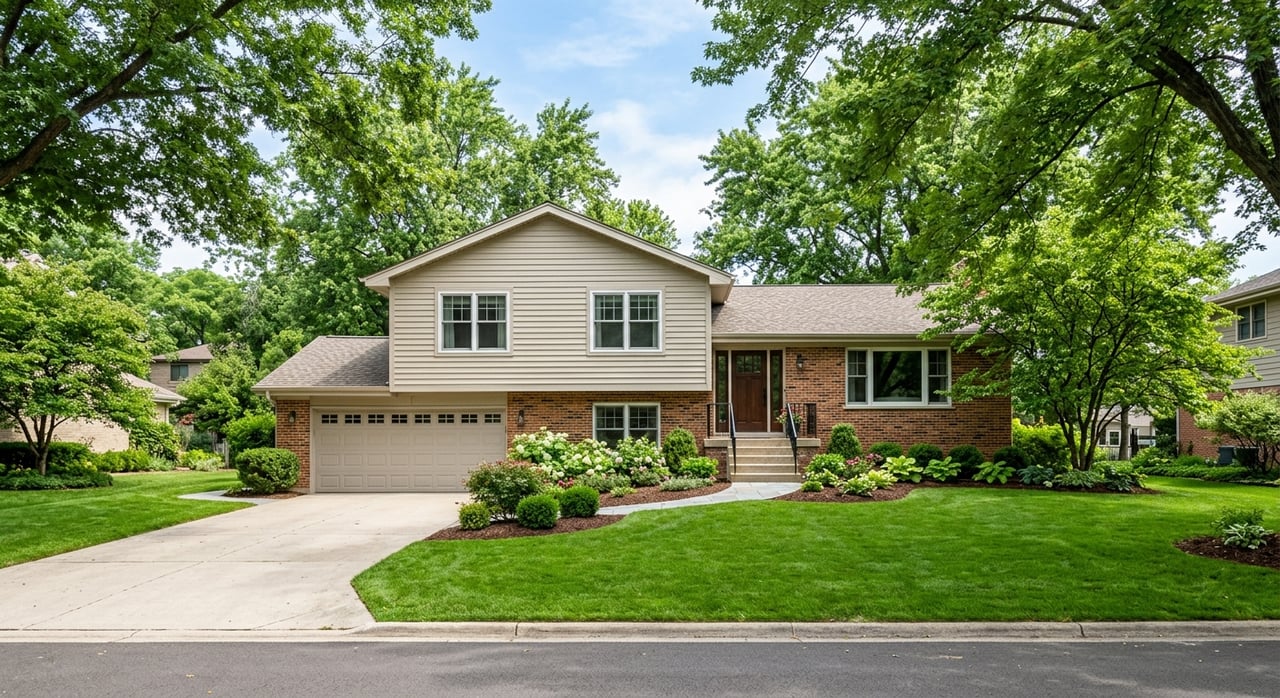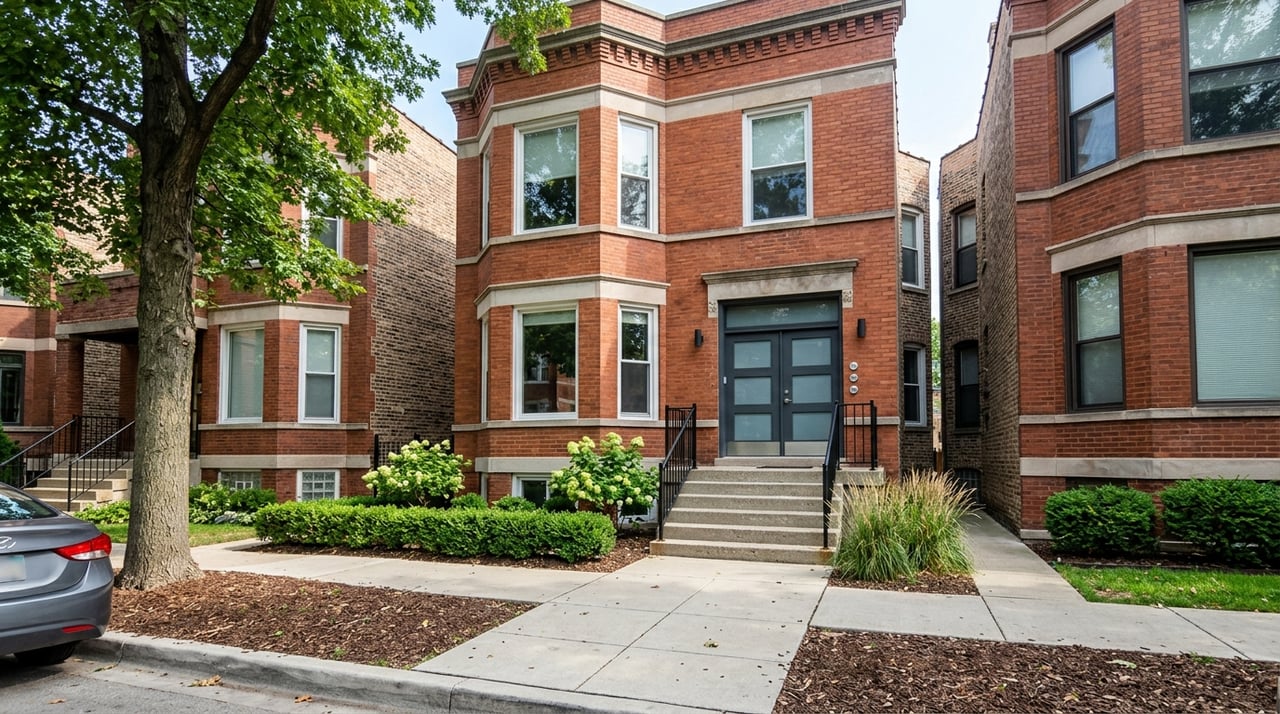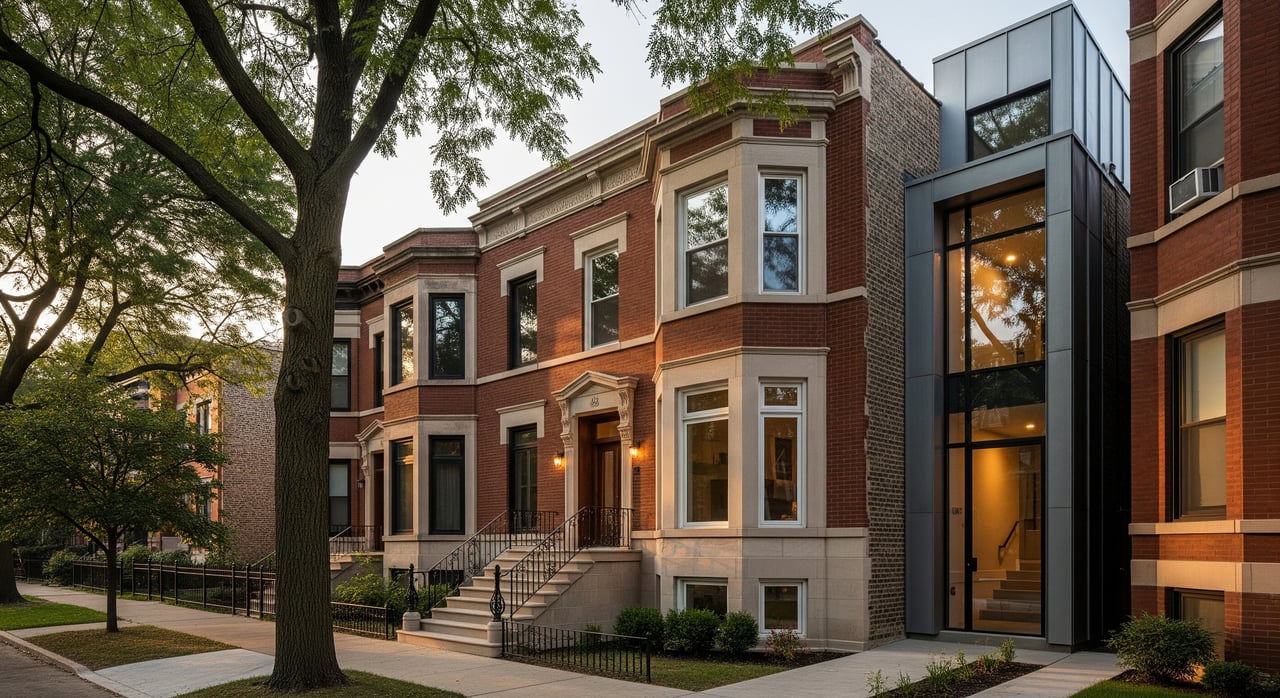
Thinking about opening up a kitchen or restoring a front porch in Edgewater Glen? With the neighborhood newly listed on the National Register of Historic Places, you want to honor the character that drew you here while avoiding red tape. You’ll learn what the new status means, how Chicago’s permit process works, which incentives might apply, and how to plan a project that looks great and holds value. Let’s dive in.
What the new listing means
Recognition vs rules
Edgewater Glen was added to the National Register on December 30, 2024, recognizing a district of early 20th century homes within boundaries roughly from Hood to Granville/Norwood, and Broadway to Clark. That recognition is significant, but National Register listing does not by itself restrict a private owner’s renovation or demolition when you use private funds. Federal review typically applies only if there is a federal permit, license, or funding involved. For the distinction between recognition and regulation, see the National Park Service’s guidance on listing and ownership overview.
Incentives at a glance
While the federal program is best known for income‑producing buildings, it is useful to understand the landscape. The federal 20 percent Historic Rehabilitation Tax Credit generally applies to certified rehabilitations of income‑producing properties, not owner‑occupied primary residences. Review eligibility at the NPS tax incentives page. Illinois also offers state historic tax credits that have application caps and favor certified projects, plus a property tax assessment freeze for qualifying owner‑occupied historic residences administered through the Illinois SHPO. Explore Illinois programs on the DNR’s state incentives page.
Why this matters for Edgewater Glen
The listing highlights the neighborhood’s Foursquare and early 1900s vernacular homes and helps you align work with proven standards. You can study the district story and typical character features through the Edgewater Historical Society’s district genesis and nomination materials. Using the Secretary of the Interior’s Standards will keep your plans compatible with incentives and widely accepted best practices. Review the Standards for Rehabilitation here.
Chicago permits and reviews
How landmark review could apply
National Register listing is different from Chicago local landmark designation. If the City of Chicago later creates a local landmark district for Edgewater Glen, exterior work visible from the street would likely require a Certificate of Appropriateness before a building permit is issued. The Historic Preservation Division encourages early questions and plan reviews through the City’s Landmark Permit Review page.
When work needs a permit
Chicago allows some small residential repairs without a permit, but rules change when properties are designated or proposed Chicago Landmarks. In‑kind window or door replacement in existing openings can be permit‑exempt for some small residential buildings, while new openings or non‑matching replacements require permits. See the City’s windows and exterior work guidance here. Reroofing can be exempt in limited cases, but full replacement or energy‑related changes often need permits. Review the roofing guidance here.
Smart renovation priorities
Windows and doors
Historic wood sash often repairs well and, paired with storm windows, can deliver comfort and efficiency while preserving character. If replacement is necessary, keep profiles, muntin patterns, and materials compatible with the originals. In a future local landmark district, appearance changes could trigger review, so plan details early.
Porches and woodwork
Original porches are highly character‑defining. Repair columns, balustrades, and flooring where possible, and match dimensions and profiles if replacement is unavoidable. When introducing new elements, keep them compatible and clearly contemporary to avoid confusing old and new, consistent with the Secretary’s Standards.
Masonry and mortar
Historic brick typically requires lime‑based mortar that breathes with the wall. High‑strength modern mortar can damage soft historic brick. Ask your mason for mortar analysis and matching specifications aligned with preservation best practices.
Roofs and insulation
Preserve slate, tile, or distinctive roof forms when feasible. If replacing, choose materials compatible in scale and texture, and coordinate insulation and ventilation to avoid moisture issues. The Standards provide helpful decision points for roof work you can review here.
Mechanical and energy upgrades
You can often upgrade HVAC, insulation, and air sealing without harming historic features. Focus on attics, basements, and service spaces first, and avoid cutting into distinctive materials. If you plan to pursue tax credits, get design feedback early so your upgrades meet the Standards.
Lead safety basics
Homes built before 1978 may contain lead paint. The EPA’s Renovation, Repair and Painting Rule requires certified firms for many projects that disturb painted surfaces in pre‑1978 housing. Learn the RRP requirements on the EPA’s program page.
Trees and site work
Mature street trees add value to Edgewater blocks. Work that alters driveways, foundations, or drainage near parkway trees may require coordination with the City. Protect roots during excavation and plan staging areas that avoid compaction.
Your step‑by‑step plan
- Confirm your property’s status
- Verify the property is within the National Register district and note any character‑defining features. Start with the Edgewater Historical Society’s nomination overview.
- Check whether any local Chicago landmark action applies and use the City’s Landmark Permit Review contact channel for early guidance here.
- Align scope with the Standards
- Draft a simple scope that separates repair from replacement and lists materials and methods.
- Use the Secretary’s Standards to shape choices that preserve character while meeting modern needs. Review them here.
- Map permits and timelines
- Identify which tasks are permit‑exempt and which require drawings or approvals using the City’s exterior work guidance and roofing guidance.
- If a local landmark review is required in the future, plan extra time for approvals before your permit is issued.
- Explore incentives early
- If your project includes an income‑producing component, study federal eligibility on the NPS tax incentives page.
- Review Illinois programs and timelines on the DNR’s state incentives page. Early pre‑approval is critical.
- Hire the right team
- For windows, masonry, slate, and porch millwork, prioritize firms with historic experience and EPA RRP certification. Start with the Landmarks Illinois contractor directory here.
- Ask for examples of Chicago historic work, proof of insurance, and familiarity with permit and potential landmark review processes.
Budget and timeline signals
Preservation‑first repairs can be cost‑competitive with full replacement, and they usually preserve curb appeal and long‑term value. Specialty trades like masonry restoration or custom millwork can carry premium rates, so phase work and build contingencies into your schedule. If you plan to seek incentives or a future local approval, add lead time for reviews before demo day. Document existing conditions with photos and simple drawings to reduce change orders.
A thoughtful plan will help you protect what makes Edgewater Glen special while improving comfort and function. If you want a clear roadmap that balances design, permitting, and resale value, connect with DeMarcus Hunter for data‑driven guidance tailored to your block and your goals.
FAQs
What does National Register listing mean for my Edgewater Glen home?
- National Register recognition does not regulate private renovations or demolition when you use private funds. Federal review applies only with a federal permit, license, or funding. See the NPS listing and ownership overview.
Do I qualify for federal historic tax credits on my residence?
- The federal 20 percent credit generally applies to certified rehabilitations of income‑producing properties, not owner‑occupied primary residences. Review eligibility on the NPS tax incentives page.
Which Chicago projects need permits in historic districts?
- Routine in‑kind repairs may be permit‑exempt for small residential buildings, but new openings, structural changes, and non‑matching replacements usually need permits. A future local landmark district would add design review for street‑visible exterior work. Check the City’s permit review guidance.
How do I plan a porch or window project that fits the district?
- Start with repair, match profiles and materials if replacing, and keep new work compatible and distinguishable. Use the Secretary’s Standards as your guide and consult the City early for smooth approvals. Review the Standards here.
How do I find qualified historic contractors in Chicago?
- Ask for firms with proven historic work, EPA RRP certification for pre‑1978 homes, and references from similar projects. The Landmarks Illinois directory is a useful starting point you can access here.